
Last updated November 15, 2026
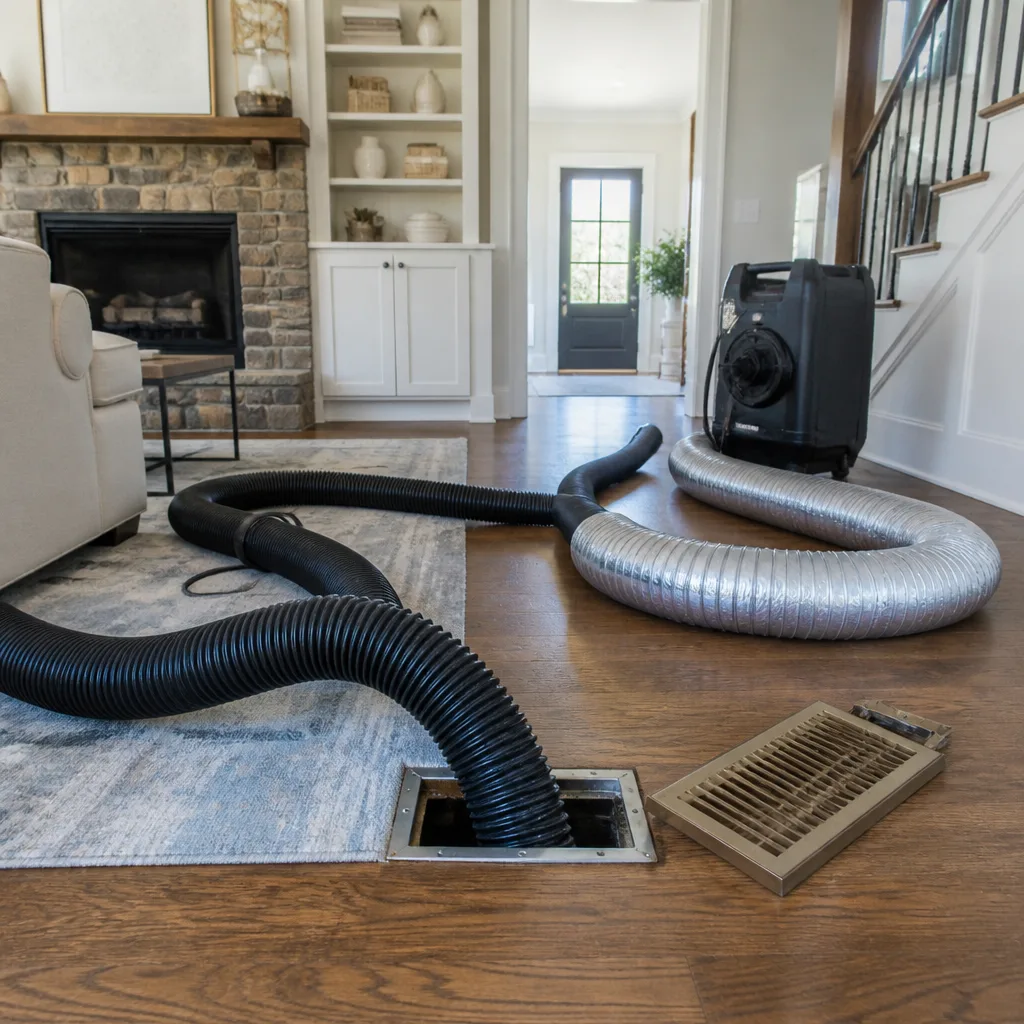 Whole-home duct cleaning
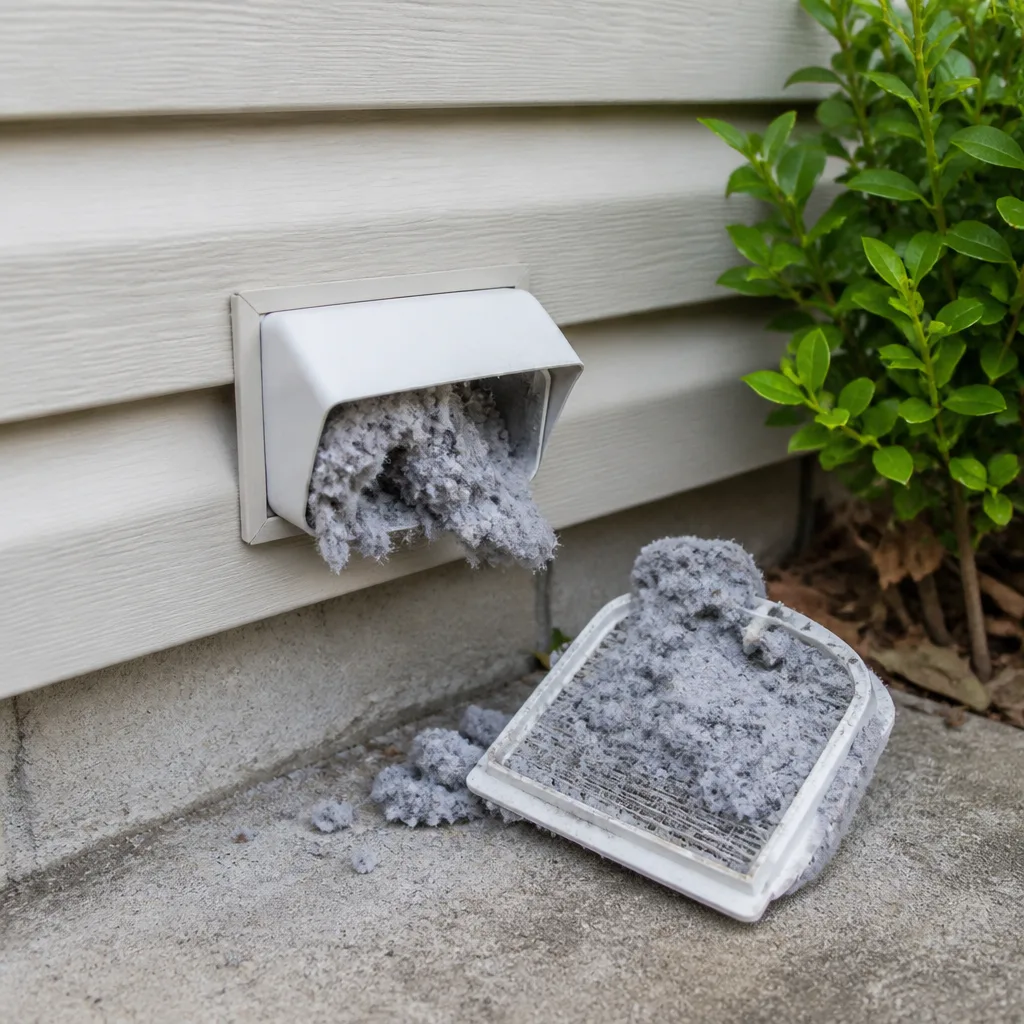 Dryer vent cleaning
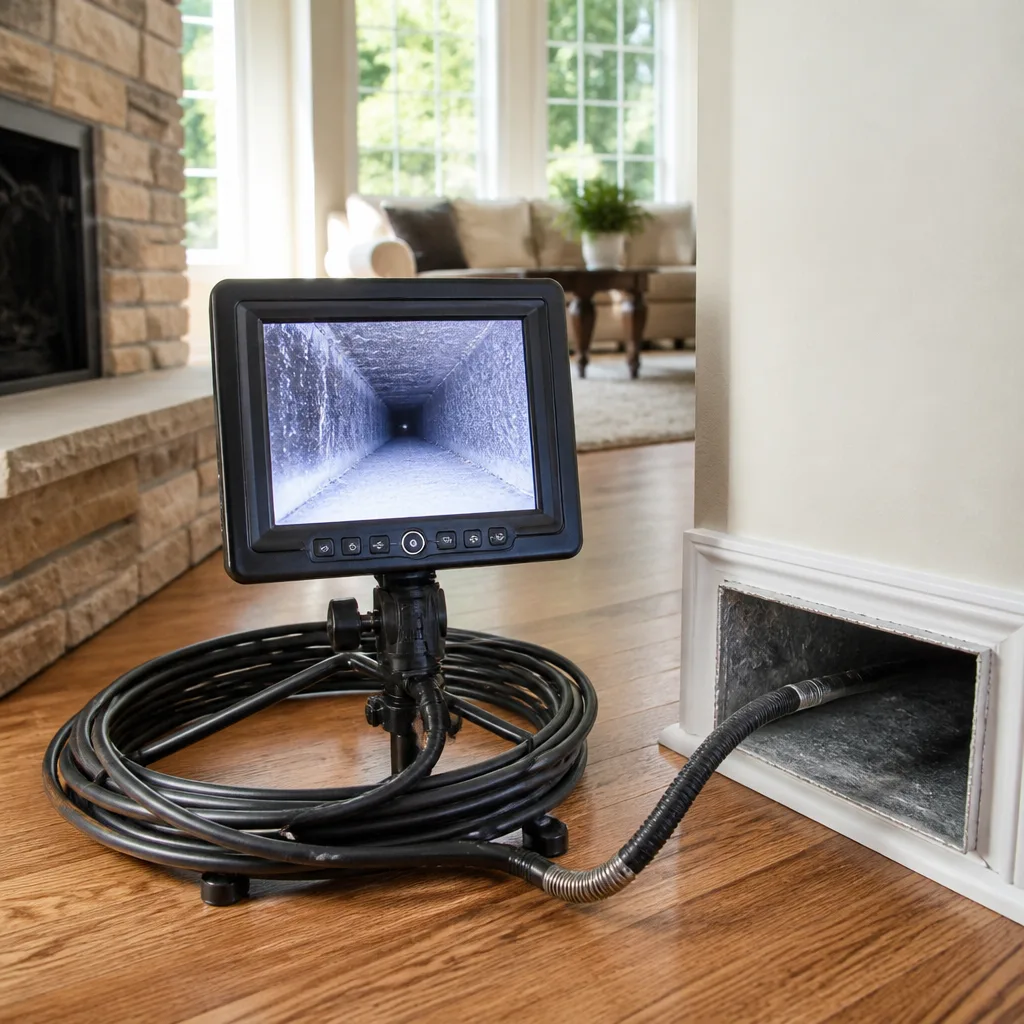 Camera inspection
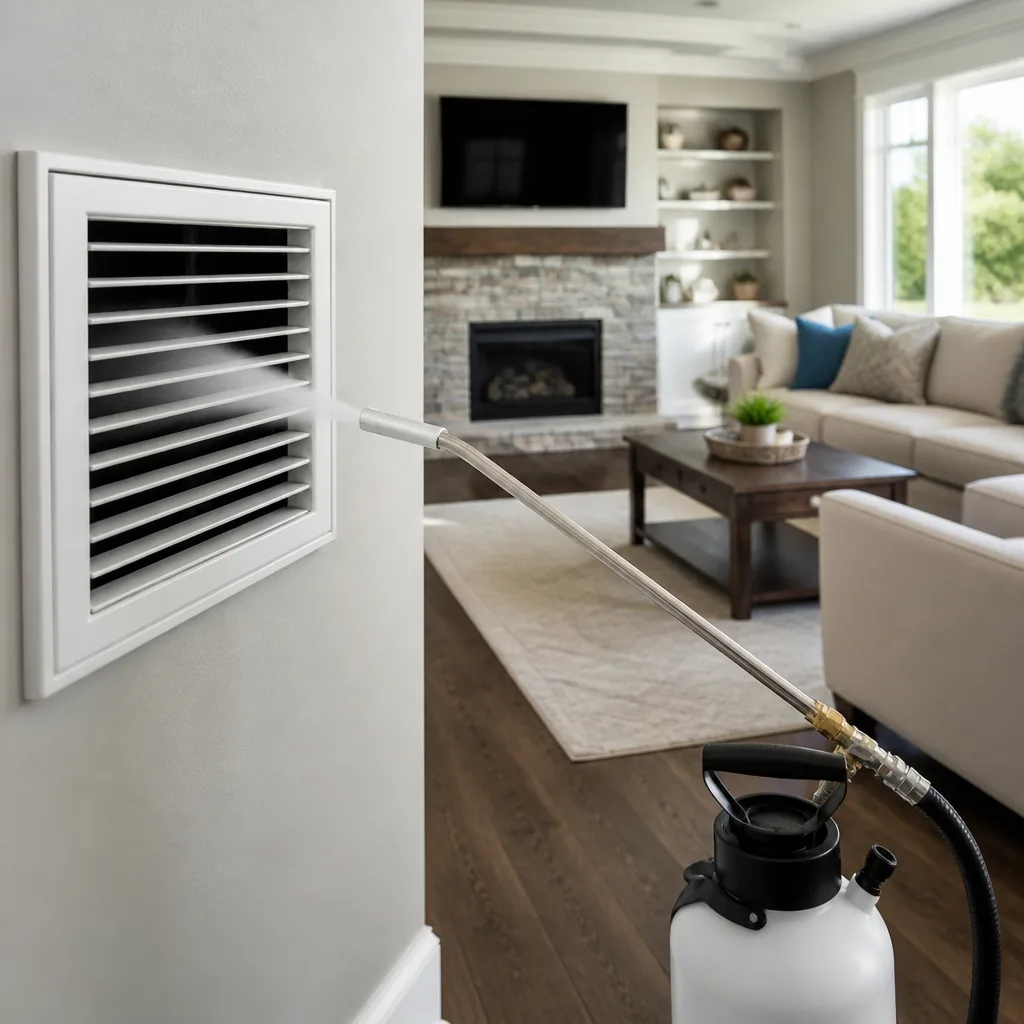 Sanitizing & deodorizing
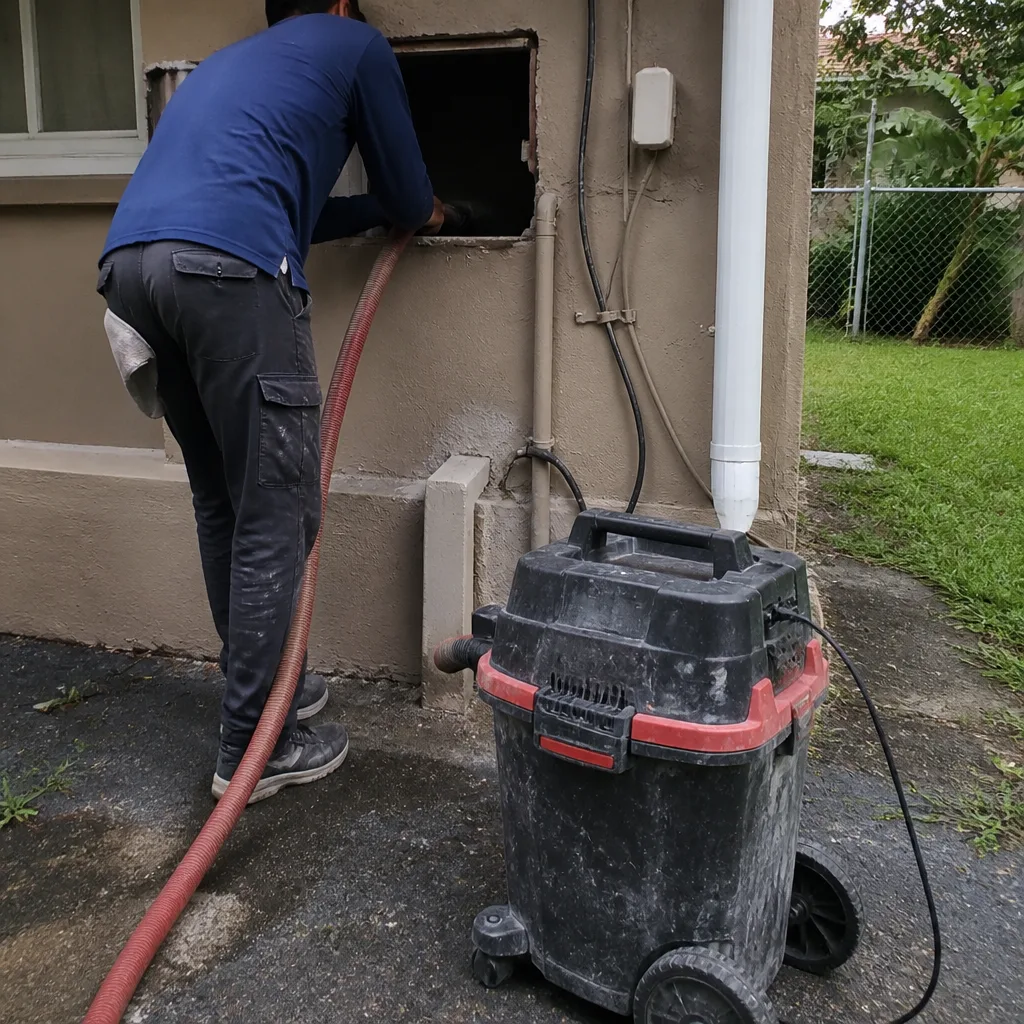
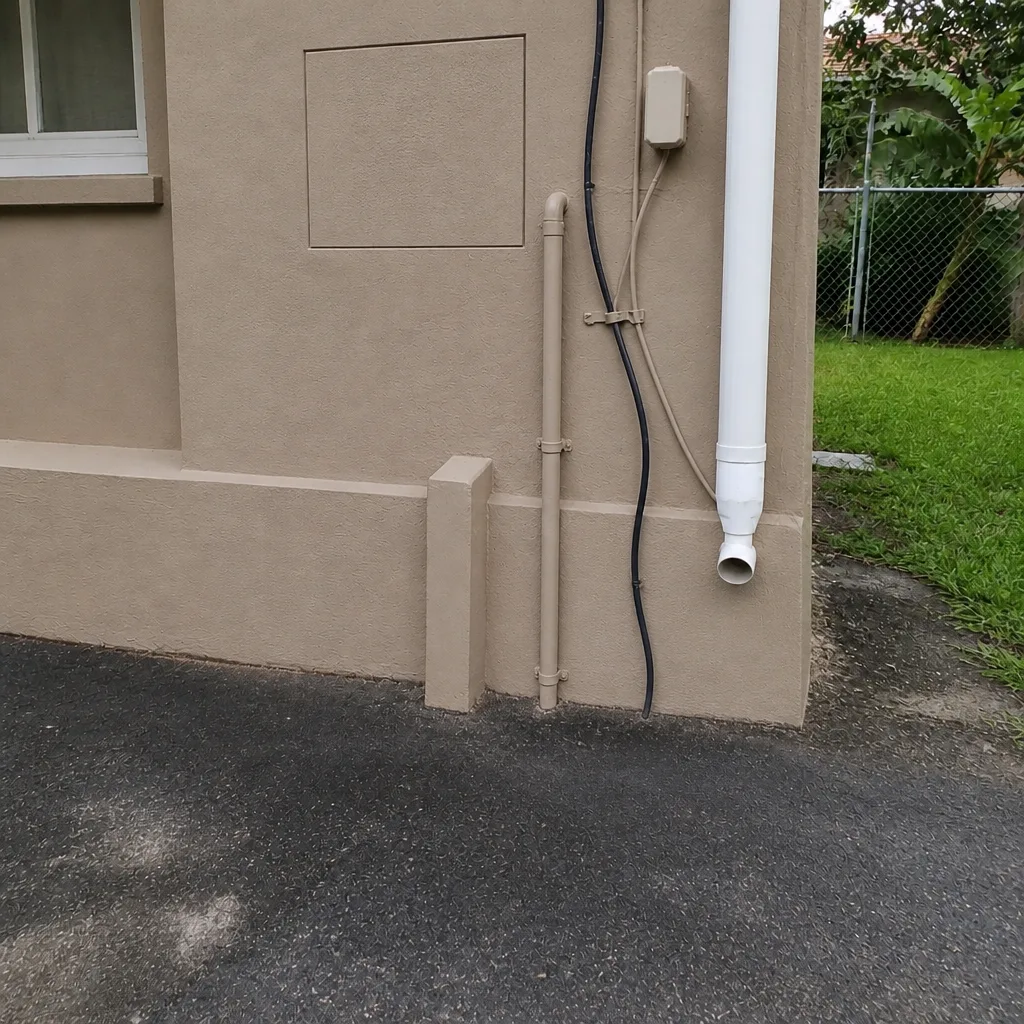
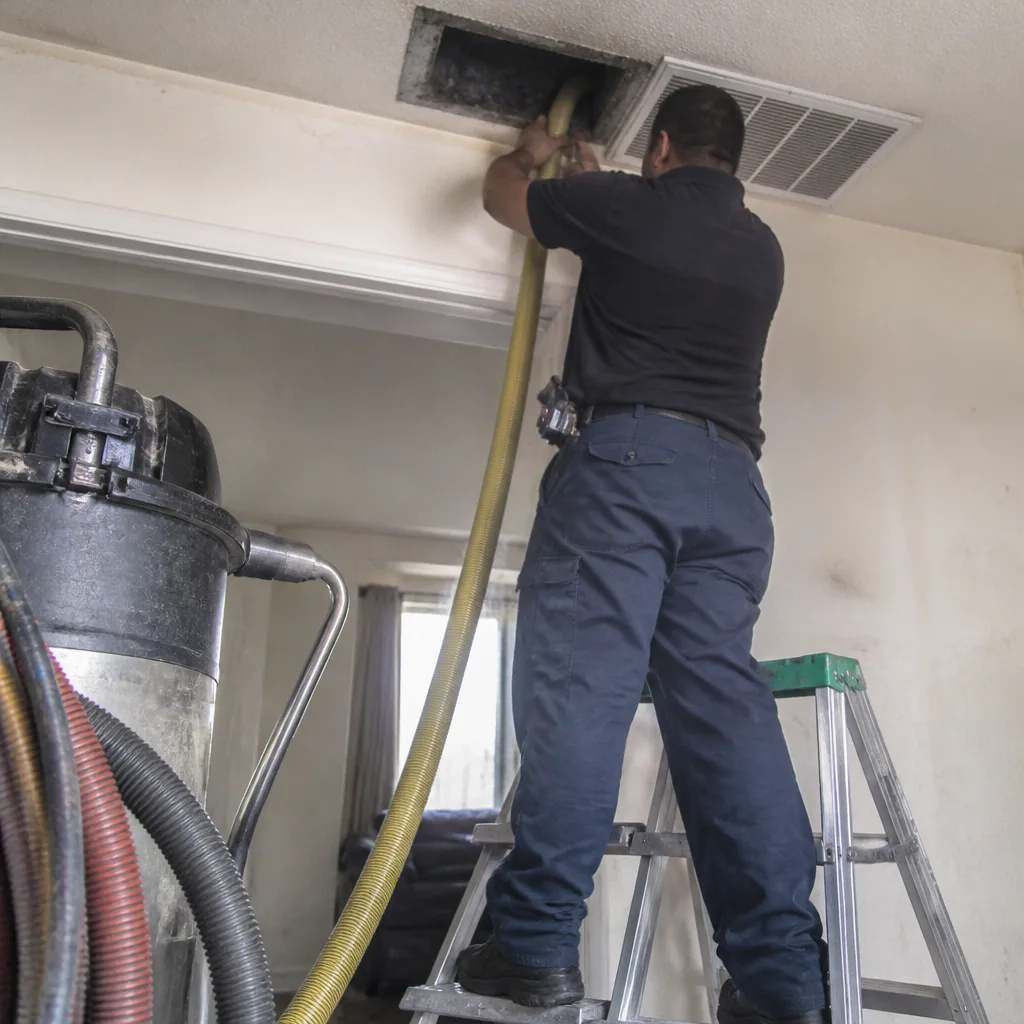
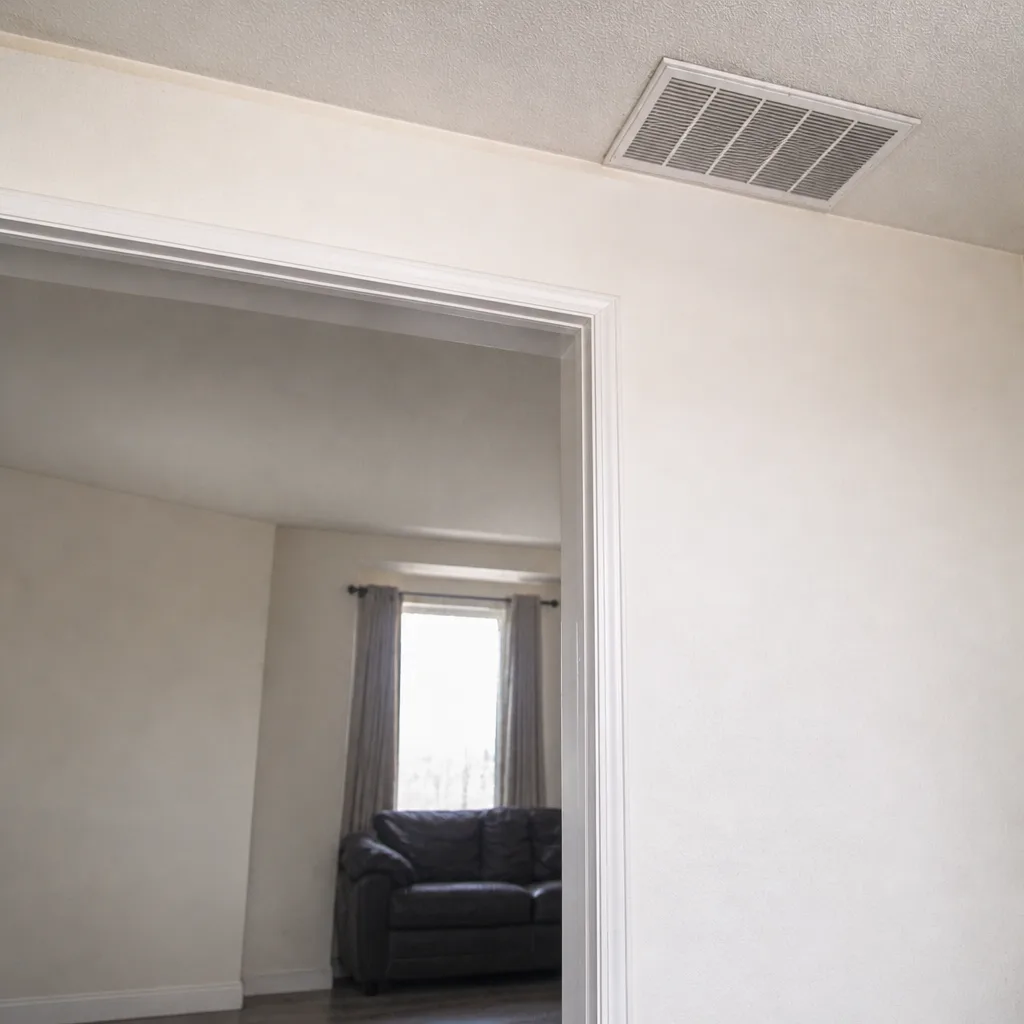
Whole-system duct and dryer vent check with before-and-after photos - you see exactly what came out of your vents
That "$99 whole-house special" is a bait ad - the real number appears once they are in your hallway, or the "clean" is a shop-vac at the register. We photograph the inside of your ducts before and after instead.
Air Duct Repair Troubleshooting in Hialeah: Common Problems and How to Fix Them
If your AC is running but one room stays 10°F warmer than the rest, the problem is almost never the unit itself. It’s nearly always a collapsed flex duct or a blown joint in the supply branch feeding that room. Homeowners in Hialeah often replace thermostats, add vents, or call an HVAC tech before anyone looks at the ducts themselves. This guide maps symptoms to root causes so you can describe what’s happening accurately, ask better questions, and avoid paying for a repair you don’t need. We’ll walk through the four mechanical failure points behind most duct problems in Hialeah, how to test airflow room by room, and when a fix is a ten-minute foil-tape job versus a professional re-seal.
Quick Answer
Most air duct repair problems in Hialeah trace back to four failure points: a disconnected duct, a collapsed inner liner, a failed mastic joint, or an undersized supply run causing high static pressure. You can localize the problem with a room-by-room airflow test before anyone opens a wall or attic hatch. The key is separating a physical damage problem (which is repairable) from a static pressure problem (which usually needs a redesign, not a patch).
Styles & brands we work with
- Whole-home duct cleaning
- Dryer vent cleaning
- Camera inspection
- Sanitizing & deodorizing
Table of Contents
- The Four Failure Points That Cause Most Duct Problems
- Disconnected Duct vs. Collapsed Inner Liner: How to Tell Them Apart
- Why Hialeah Humidity Accelerates Mastic Sealant Failure
- The Room-by-Room Airflow Test: Localize Before You Open Anything
- Static Pressure vs. Physical Damage: Only One Is a Repair
- DIY Foil Tape vs. Professional Mastic Re-Sealing
- What Flex Duct Runs Look Like in Hialeah Attics and Crawl Spaces
- What Duct Repair Typically Costs and How to Read an Estimate
The Four Failure Points That Cause Most Duct Problems
Nearly every duct complaint we hear in Hialeah falls into one of four mechanical categories. Recognizing which one you’re dealing with changes the conversation entirely.
1. Disconnected duct. A supply or return branch has pulled completely off a plenum or trunk connection. Air dumps into the attic or wall cavity instead of reaching the room. This is the most common cause of a single room that gets almost no airflow.
2. Collapsed inner liner. Flexible duct has an outer insulation jacket and an inner plastic liner. The inner liner can crush, tear, or peel away from the wire helix, collapsing the actual air pathway while the outer jacket still looks intact from a distance.
3. Failed mastic joint. Sealant at a connection dries, cracks, and pulls away. You don’t get a full disconnect, but you get a persistent leak that bleeds conditioned air into unconditioned space and pulls attic air into the system.
4. Undersized or crushed supply run. The branch feeding a room was always too small, or a run got stepped on, kinked, or compressed during later work. This is a design problem more than a failure, and it shows up as chronic low airflow even when everything is sealed.
Each of these produces different symptoms, and only the first three are true repairs. The fourth usually needs a redesign. If you’re not sure which category fits, a diagnostic visit settles it faster than guesswork. Our Hialeah Duct Cleaning team handles all four on a single visit because we service the full duct system rather than one narrow slice of it.
- Disconnected duct: one room with almost no airflow, whistling at the register, attic air smell
- Collapsed liner: airflow that drops gradually over months, flex duct that feels soft or flat when squeezed
- Failed mastic joint: dust streaks near connections, higher energy bills, no single room stands out
- Undersized run: chronic weak airflow from day one, often in rooms added or reconfigured later
Disconnected Duct vs. Collapsed Inner Liner: How to Tell Them Apart
These two problems feel identical from inside the house: one room is weak, everything else works. But they require completely different repairs, and a technician who guesses wrong wastes your money.
A disconnected duct is a physical separation at a joint. The flex duct has slipped off a collar, boot, or plenum tap. When this happens, all the air that should reach that room is dumping into the attic or wall cavity instead. The tell: airflow at that register is close to nothing, not just reduced. You might also smell attic air or insulation dust near the vent, and the room runs hot even when the thermostat reads fine elsewhere.
A collapsed inner liner is subtler. The connection is still attached, but the inner plastic liner has crushed or peeled loose inside the outer insulation jacket. Air has a pathway, just a compressed one. The tell: airflow that feels weak but not absent, and flex duct that feels unnaturally soft or flattened when you press on it. On longer flex runs in Hialeah attics, this is common where duct sagged against trusses or got kinked around a corner.
Here’s why the distinction matters. A disconnected duct is a reconnection job: pull the run back onto the collar, seal it properly, support it so it doesn’t happen again. A collapsed liner means replacing the affected section of duct, because the liner can’t be re-expanded. Different tools, different materials, different labor.
- Squeeze the suspect flex duct gently along its run. Firm and round means the liner is intact; soft and flattened suggests collapse.
- Check airflow at the register with the system running. Nothing or barely anything points to a disconnect.
- Trace the run from the register boot back toward the plenum. Any visible gap at a joint confirms a disconnect.
- Look for insulation dust around the register or a musty attic smell. Both suggest open ductwork bleeding unconditioned air.
If the run disappears into a wall or ceiling chase you can’t access, stop there and call. Our air duct cleaning and repair visits include a full visual inspection of accessible runs, so we can tell you which failure you’re facing before touching anything.
Why Hialeah Humidity Accelerates Mastic Sealant Failure
Hialeah runs humid most of the year, and that humidity is hard on duct sealant. Mastic, the paste sealant used at duct joints, dries to a slightly flexible film. In a hot, humid attic, that film softens, then re-hardens as temperatures swing between day and night. Over many cycles it cracks, shrinks, and pulls away from the joint. What started as a hairline gap becomes a leak that bleeds conditioned air into the attic and pulls humid attic air back into the system.
This matters more in Hialeah than in dry climates because the air leaking in carries moisture. Moisture in ductwork encourages condensation, and condensation on a joint is exactly the failure you don’t want. It also gives dust something to stick to, which is how you end up with dust streaks trailing away from a connection.
What early joint separation looks like:
- Thin dark streaks of dust radiating from a duct joint or seam
- Mastic that looks chalky, cracked, or visibly separated from the metal collar
- Condensation on the outside of duct runs in unconditioned space
- Higher cooling bills without an obvious jump in usage
- A faint dusty or musty smell that gets stronger when the system starts
Catching separation early is the whole game. A joint that’s just starting to fail can usually be cleaned and re-sealed. A joint that’s fully blown apart often means re-supporting the run and replacing insulation that’s been wet or compressed. If you spot any of these signs, have it looked at before a small leak turns into a full disconnect. Serving Hialeah homes means seeing this pattern constantly, and the fix is fast when it’s caught in time.
The Room-by-Room Airflow Test: Localize Before You Open Anything
You can narrow down where the problem is before anyone opens a wall or attic hatch. A simple airflow test takes about fifteen minutes and tells a technician exactly where to start.
Here’s the sequence:
- Close every window and door in the house and set the thermostat to run the system continuously.
- Walk each room and hold a tissue or incense stick an inch from each supply register.
- Watch the tissue or smoke. A strong register will flap the tissue or push smoke steadily. A weak one barely moves it. A dead one does nothing.
- Write down which registers are strong, weak, and dead. Note the room, not just the vent.
- Look for a pattern. One dead register is almost always a disconnect. Several weak registers on the same side of the house often points to a crushed trunk or a static pressure issue.
- Go back to the strongest register and the weakest one and compare. The difference tells you how severe the blockage is.
What the pattern means:
- One dead register, everything else fine: likely a disconnected branch feeding that room
- Several weak registers, all upstream of each other: crushed or collapsed trunk line
- Every register weak, including the closest: static pressure problem or blower issue, not a duct repair
- Weak registers on the far side of the house, strong near the air handler: undersized run or long flex with too many bends
The incense-stick version is easier to watch because the smoke shows direction as well as force. Just don’t use it near a smoke detector. This test won’t fix anything, but it turns a vague “the AC isn’t working right” into a specific description a technician can act on. If you’re in Hialeah and every room feels weak, that’s a different call than one hot bedroom. You can point to the exact zone when you book.
Static Pressure vs. Physical Damage: Only One Is a Repair
This is where a lot of money gets spent on the wrong fix. Physical damage is something broken: a disconnect, a torn liner, a crushed run. Static pressure is a design condition: the system can’t push enough air through the ductwork it has. One is a repair. The other is a redesign, and a patch won’t solve it.
Static pressure is the resistance the blower fights against. Ductwork that’s too small, too long, or has too many sharp turns creates high static pressure. The blower moves less air than the system needs, so every room runs weak. Homeowners sometimes fix this by adding more supply registers, which makes it worse because the blower is now pushing into more outlets without any added capacity.
How to tell them apart:
- Physical damage: the problem is localized. One or two rooms. The register tissue test shows a clear pattern.
- Static pressure: the problem is system-wide. Every room is weak, including the one closest to the air handler. Cooling is uneven everywhere.
- Physical damage: symptoms appear suddenly or after a specific event like roof work or pest activity.
- Static pressure: symptoms are chronic, often going back to the original installation or a later remodel.
If your system has always underperformed no matter the set temperature, get a static pressure reading before anything else. If it worked fine until last month and now one room is hot, physical damage is the first suspect. A technician can measure static pressure at the air handler and tell you in minutes which category you’re in.
Our job is to be honest about that distinction. When we say a repair is needed, it’s because something is physically broken. When it’s a design issue, we’ll tell you that too. If the ducts themselves are simply dirty on top of the airflow problem, that’s a separate job and it gets handled in the same visit. That’s how we keep Hialeah homes from needing the same trip twice.
DIY Foil Tape vs. Professional Mastic Re-Sealing
Sometimes you can fix a duct joint yourself. Usually you can’t, and the tape job makes it worse. Here’s the line.
Reasonable DIY territory: a visible, accessible flex duct that has slipped partially off a collar, with clean duct around it and a joint you can reach fully. Clean the collar and the duct surface so they’re dust-free, slide the duct back on, and seal with a proper foil-backed tape. Don’t use cloth duct tape. It dries out and peels within months, especially in a hot attic. This is the one scenario where a careful homeowner can reliably make it work.
Where it goes wrong: most duct joints sit behind drywall, in tight attic corners, or in wall chases. You can’t get proper tape adhesion in a spot you can’t reach with both hands. And poking at a joint in a tight space without support often turns a small separation into a full disconnect.
When it needs professional attention:
- The system runs negative pressure in that zone, which pulls air in through any gap you leave. Tape doesn’t hold under sustained negative pressure; mastic does.
- The joint is at a plenum or trunk, where access is tight and the connection needs structural support, not just sealing.
- There’s any moisture or condensation at the joint. Sealing over wet duct traps moisture and grows problems.
- The run has lost support and is sagging. Taping a sagging duct just relocates the failure.
Mastic compound works when tape doesn’t because it bonds to the metal collar and the duct surface, cures flexible, and holds under negative pressure. When we re-seal a joint in Hialeah, we clean it, apply mastic, and re-support the run so the same joint doesn’t fail again. Our technicians have up to 9 years of experience doing exactly this. We bring Nikro HEPA-rated negative-air vacuums so any dislodged debris gets captured on the spot instead of redistributed into the room, and Rotobrush rotary-brush systems when the run needs cleaning before it gets sealed.
What Flex Duct Runs Look Like in Hialeah Attics and Crawl Spaces
Most Hialeah homes run flexible duct through the attic, and that reality shapes what fails and how. Attic temperatures in Hialeah climb high enough that the outer insulation jacket on flex duct takes a beating. The jacket can split, the strap supports can loosen, and the duct sags between supports. Every one of those conditions makes a joint more likely to pull apart.
What we look for on a typical Hialeah flex duct inspection:
- Sag: flex duct that dips between supports. Sag reduces airflow and puts strain on both ends.
- Kinks: sharp bends that crush the inner liner, often around corners or where runs cross trusses.
- Split jacket: the outer insulation sleeve that’s torn or separated, leaving the inner liner exposed.
- Poor support: duct resting on trusses, sharp edges, or hangers that let it slide.
- Loose joints: the slip at a collar or boot where mastic has dried out.
The layout also matters. Long, winding flex runs with several 90-degree bends create more resistance than short, straight runs. If the room at the end of a long run is chronically weak, the run itself may be the problem, not a single bad joint. In some cases the fix is re-routing or replacing the run with a shorter path or a more appropriate duct size.
Hialeah’s older housing stock runs the gamut: homes with retrofitted ductwork that was added after the original build, homes where a room was added and a run was tacked onto the trunk, and homes with attic ductwork that’s never been inspected since installation. Any of those are reasons to look carefully before assuming the problem is the air conditioner.
What Duct Repair Typically Costs and How to Read an Estimate
Duct repair pricing depends on what’s actually wrong, which is why a range is the honest answer before anyone sees the system. Typical whole-job estimates in the Hialeah market land in these bands:
- Single joint re-seal (mastic): $150 – $300
- Reconnection of one disconnected flex run: $200 – $400
- Section replacement (collapsed liner or damaged run): $350 – $700
- Re-support and re-seal of multiple runs: $400 – $900
- Full duct cleaning combined with repair: $450 – $1,100
These are estimates, not quotes. The written estimate you receive after an inspection sets the final price, and it’s the only number you should hold anyone to. Expect the estimate to spell out exactly what’s being repaired, what materials are being used, and whether cleaning is bundled in or separate.
When comparing estimates from different providers in Hialeah, ask these five questions:
- What is the specific failure being repaired, in words I understand?
- Are you using mastic, or tape, and why?
- Is the run being re-supported as part of the repair, or only sealed?
- Will you show me before-and-after photos of the actual work?
- Is cleaning included, and if not, why does the run not need it?
The cheapest estimate is often the one that skips re-support, uses tape instead of mastic, and doesn’t show photos. That’s a repair that fails again in a season. A whole-system visit that cleans, seals, and supports the run is a different job, and the price reflects it. If you’re not sure your ducts need only repair or cleaning and repair together, ask. We bring contractor-grade equipment like Rotobrush rotary brushes and Abatement Technologies filtration units so we can handle contamination-level situations, not just routine dust. And if your ducts are clean but the air quality still isn’t, pairing the work with Honeywell or Aprilaire filtration addresses the long-term picture.
Common Mistakes to Avoid
- Taping a joint with cloth duct tape. Cloth tape dries out fast in a hot attic and peels off within months. Use foil-backed tape for any tape application, and mastic wherever access allows.
- Adding vents instead of finding the actual problem. Adding supply registers to a system with high static pressure makes the airflow problem worse, not better. Find the damaged run first.
- Assuming a hot room means the AC is failing. In the vast majority of cases in Hialeah homes, a single hot room points to the duct branch feeding it, not the condenser or air handler.
- Ignoring dust streaks around joints. Streaks mean air is leaking. That’s early-stage joint separation, and it’s the cheapest repair you’ll ever make if you catch it now.
- Sealing over wet or damaged duct. Any moisture at a joint means the seal will fail. Dry it, find the leak source, then seal.
- Skipping the room-by-room test before calling. Knowing which rooms are weak and which are strong cuts diagnostic time dramatically and helps the technician arrive ready.
- Assuming the fix is a replacement air handler. Duct problems and equipment problems look different once you do the tissue test. Don’t replace equipment before you’ve ruled out the ductwork.
See the difference
 Before
 After
 Before
 After
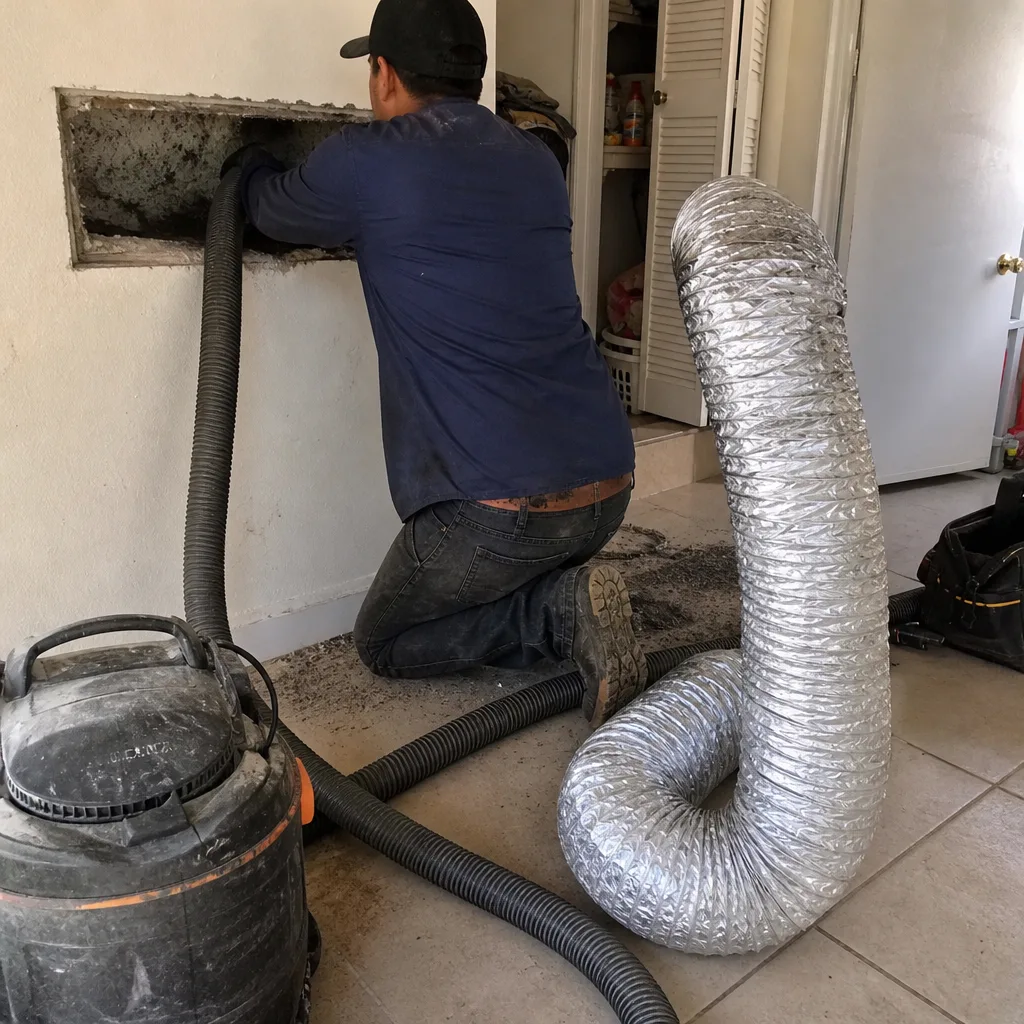 Before
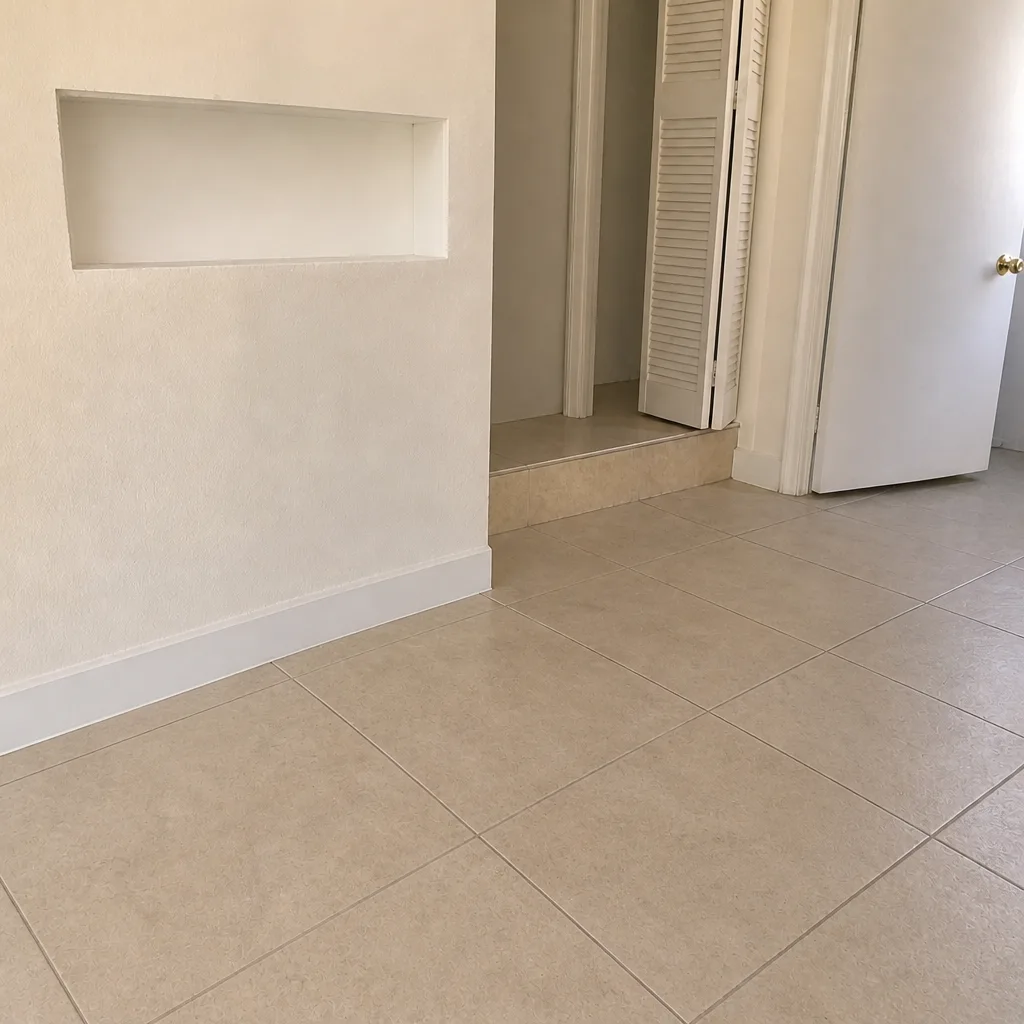 After
When to Call a Professional
Call a professional when the suspect duct run is inaccessible, when the joint sits at a plenum or trunk connection, when you see moisture or condensation at a duct seam, or when the airflow test shows every register in the house is weak rather than one or two. Static pressure problems need a measurement you can’t do with a tissue and a flashlight. Pest damage, crushed trunks, and flex duct buried behind finished walls are also out of DIY territory. If a repair involves re-supporting a run or replacing a section, the work is faster and safer with the right equipment and the right tools. Hialeah Duct Cleaning offers free estimates in Hialeah. Call (888) 831-4689. We answer 24/7. Fast dispatch from 7am to 7pm, Sunday through Friday.
Frequently Asked Questions
A single joint re-seal typically runs $150 – $300, a flex run reconnection $200 – $400, and a full section replacement $350 – $700. Whole-job estimates including cleaning and re-supporting multiple runs land between $450 and $1,100. The written estimate after an inspection sets the final price. Call (888) 831-4689 for an exact quote – estimates are free.
A disconnected duct produces close to zero airflow at the register, while a collapsed liner produces weak but not absent airflow. You can check by squeezing the flex run gently: firm and round means the liner is intact, soft or flattened suggests collapse. The register tissue test confirms the pattern. If the run is inside a wall, a technician can inspect it on site.
Cheaper quotes usually skip re-support, use tape instead of mastic, or don’t include cleaning before sealing. The joint fails again within a season, which is how a “cheap” repair ends up costing more. Ask each provider what materials they use, whether re-support is included, and whether you’ll see before-and-after photos. Call (888) 831-4689 for an honest whole-system estimate.
Ask for before-and-after photos of your own ductwork, including the joint that was repaired. A proper repair shows the cleaned surface, the mastic application, and the re-supported run. If the technician can’t show you the work, it wasn’t done the way it should have been. We document every visit so you can see exactly what happened.
Yes. Hialeah’s humidity softens the mastic sealant at duct joints, and the repeated heating and cooling cycles crack it over time. Once a hairline gap opens, humid attic air gets pulled into the system, which accelerates the failure. Catching the early dust streaks and echo-y joints stops it from becoming a full disconnect.
Usually, yes. If a run is being opened for repair, cleaning it first prevents debris from getting sealed into the repaired joint. Our dryer vent cleaning and duct service visits bundle naturally with repair for the same reason. Call (888) 831-4689 to confirm what your specific system needs.
The Bottom Line
Most Hialeah duct problems come down to four failure points, and knowing which one you’re dealing with saves both time and money. Do the room-by-room airflow test before you call, note which registers are strong, weak, or dead, and check the suspect runs by hand. Separate physical damage from static pressure problems, because only one is a repair. Seal with mastic where access allows, use foil tape only where it doesn’t, and always re-support a run that’s been reconnected. If anything is inside a wall, at a plenum, or shows moisture, call a professional. Hialeah Duct Cleaning offers free estimates in Hialeah and handles cleaning, repair, and dryer vent service on one team.
Written by the team at Hialeah Duct Cleaning.