
Last updated November 15, 2026
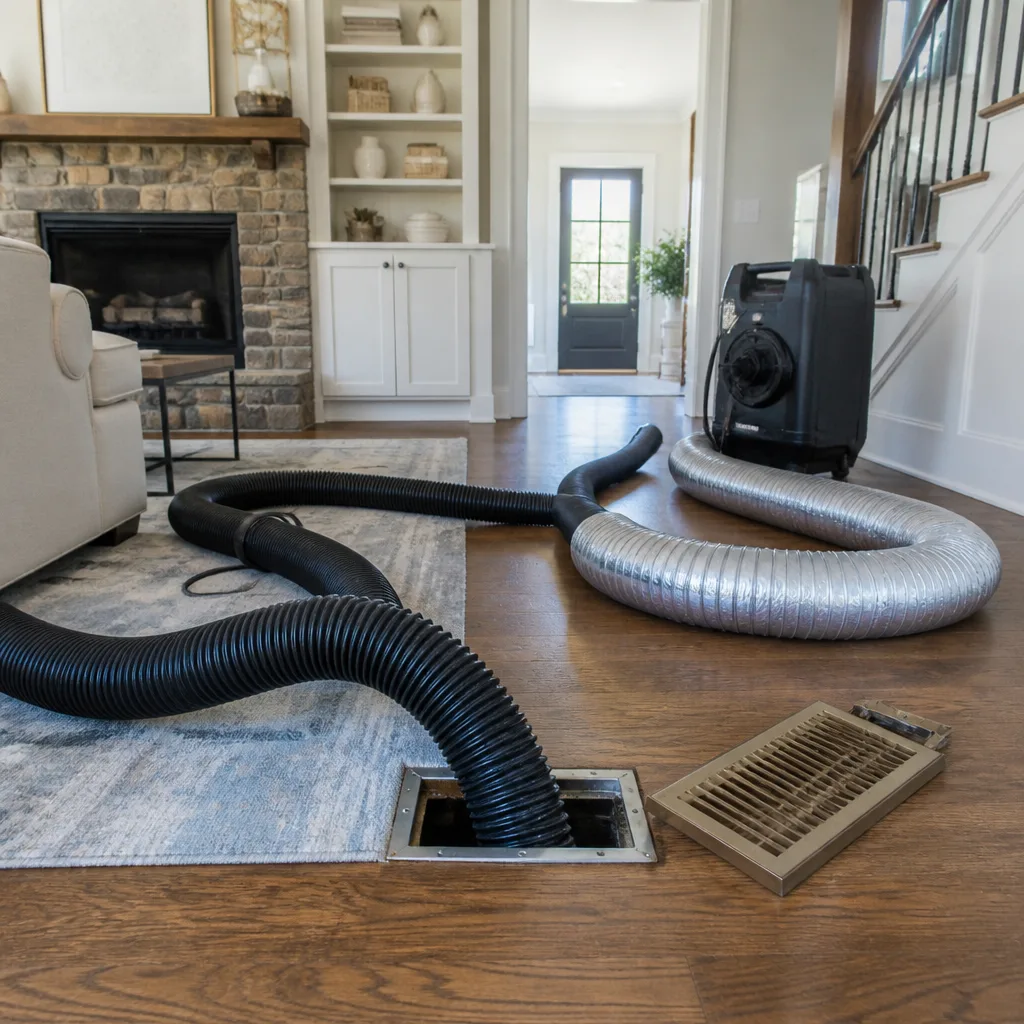 Whole-home duct cleaning
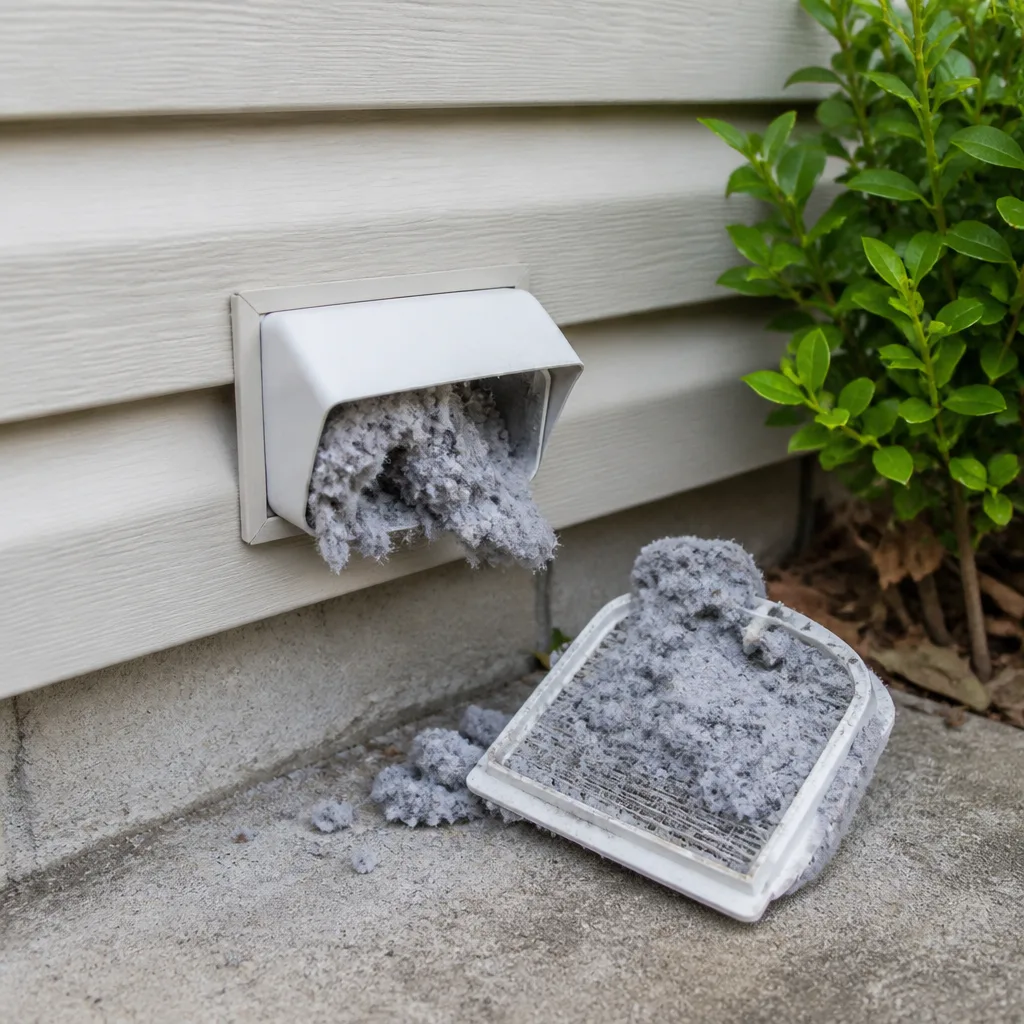 Dryer vent cleaning
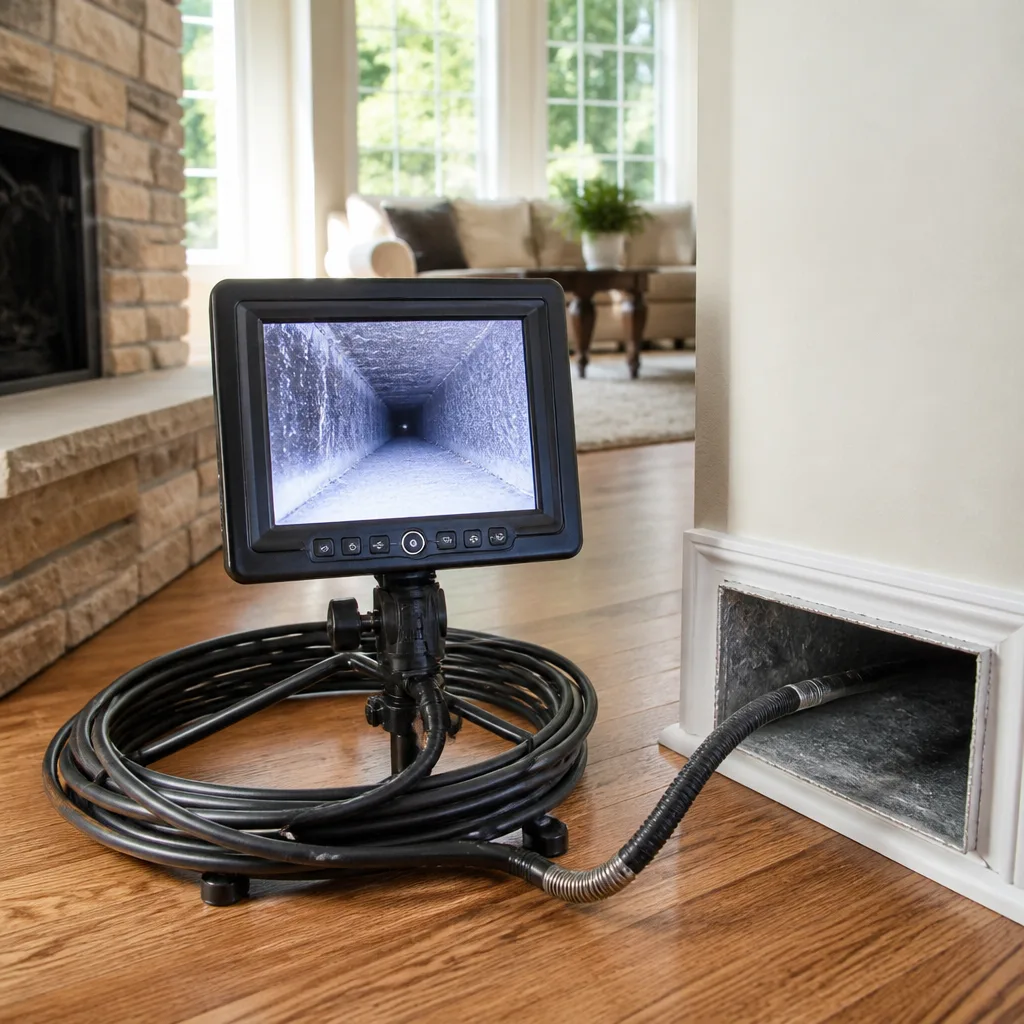 Camera inspection
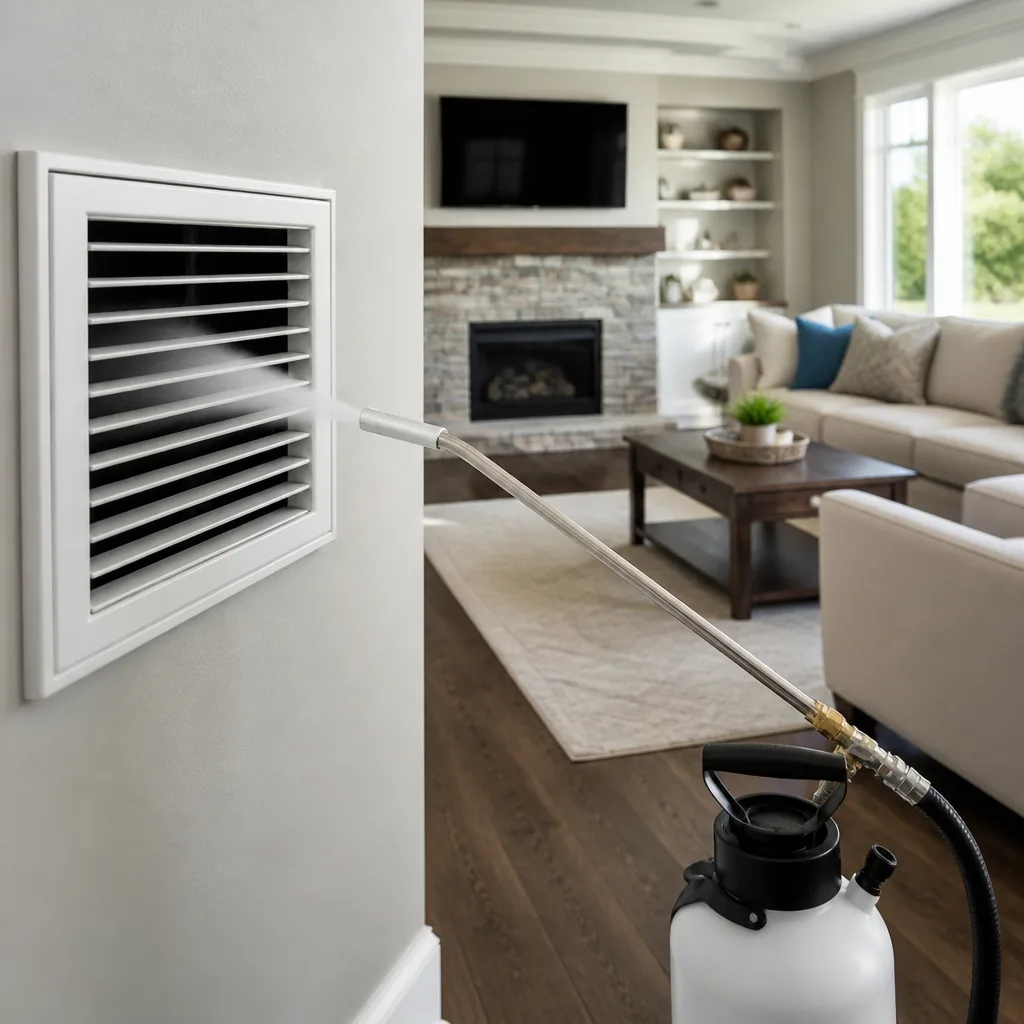 Sanitizing & deodorizing
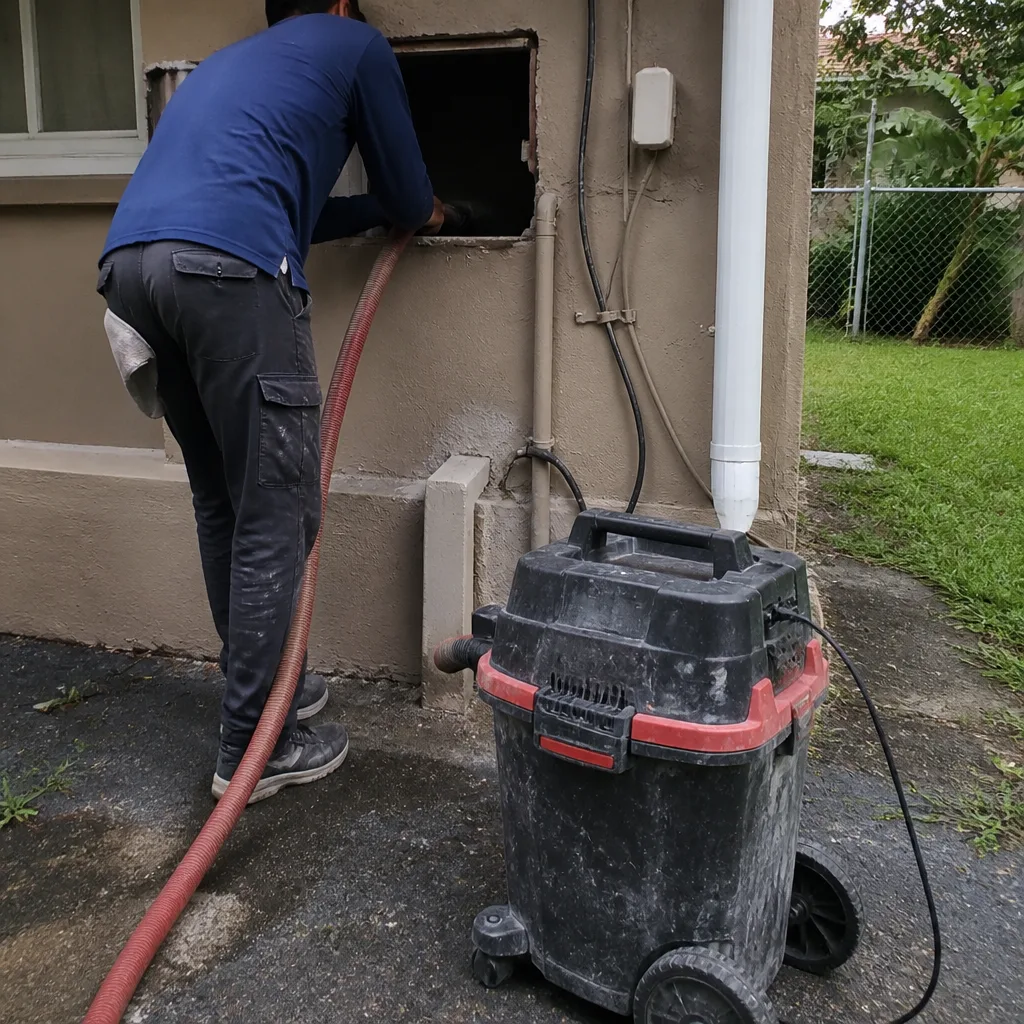
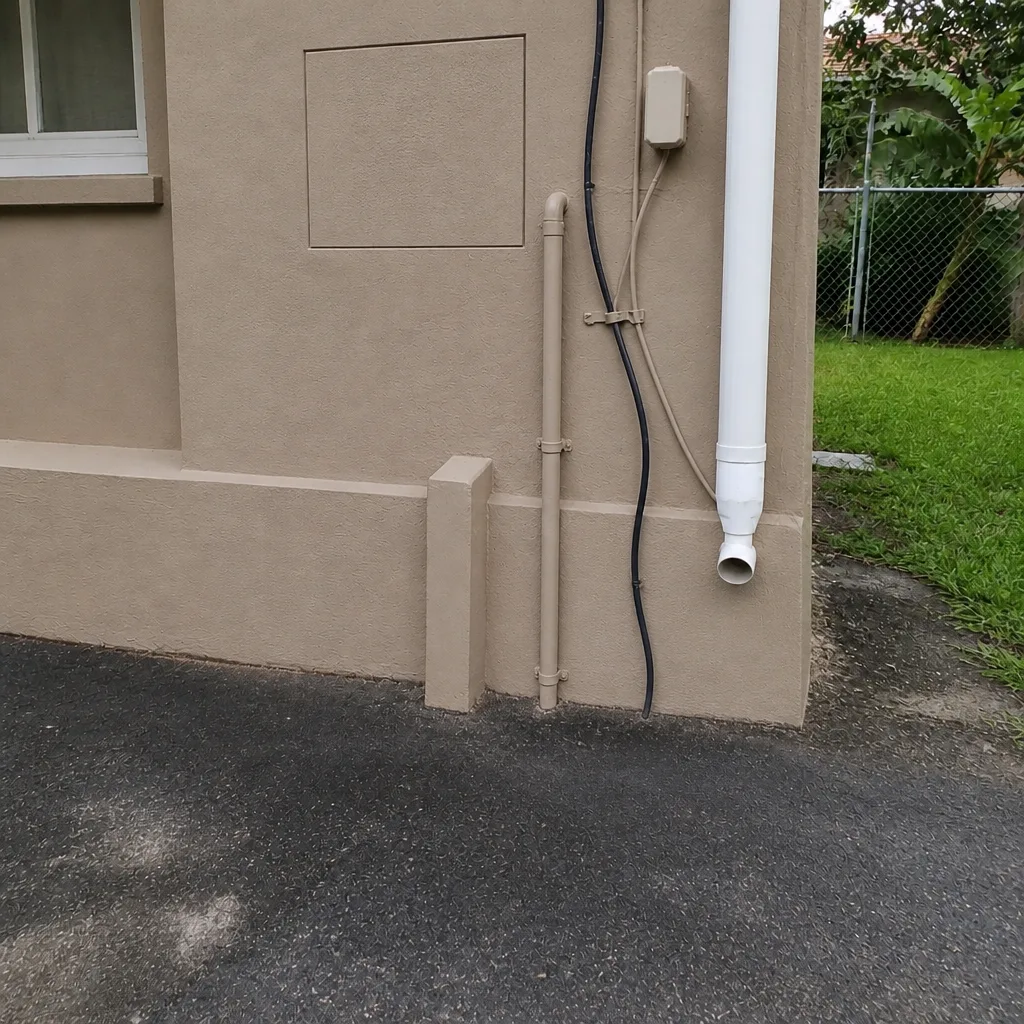
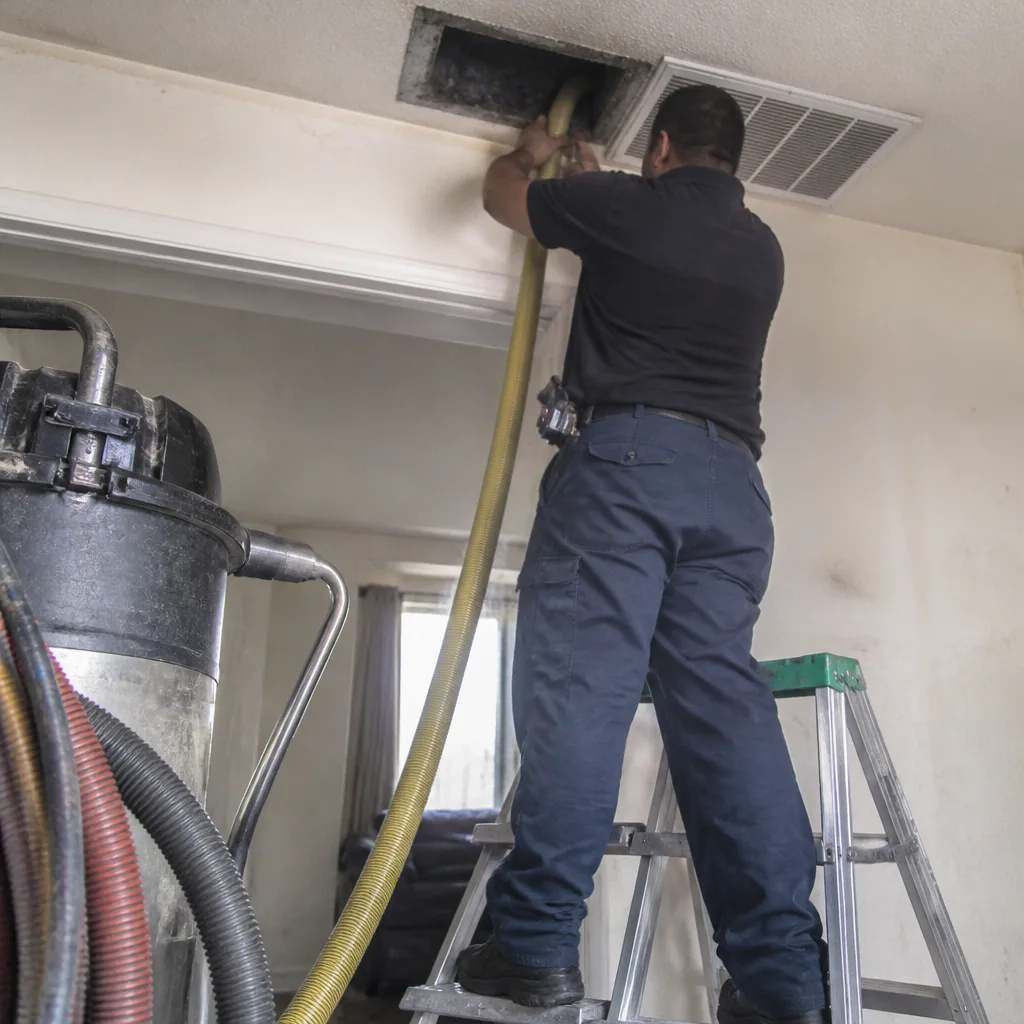
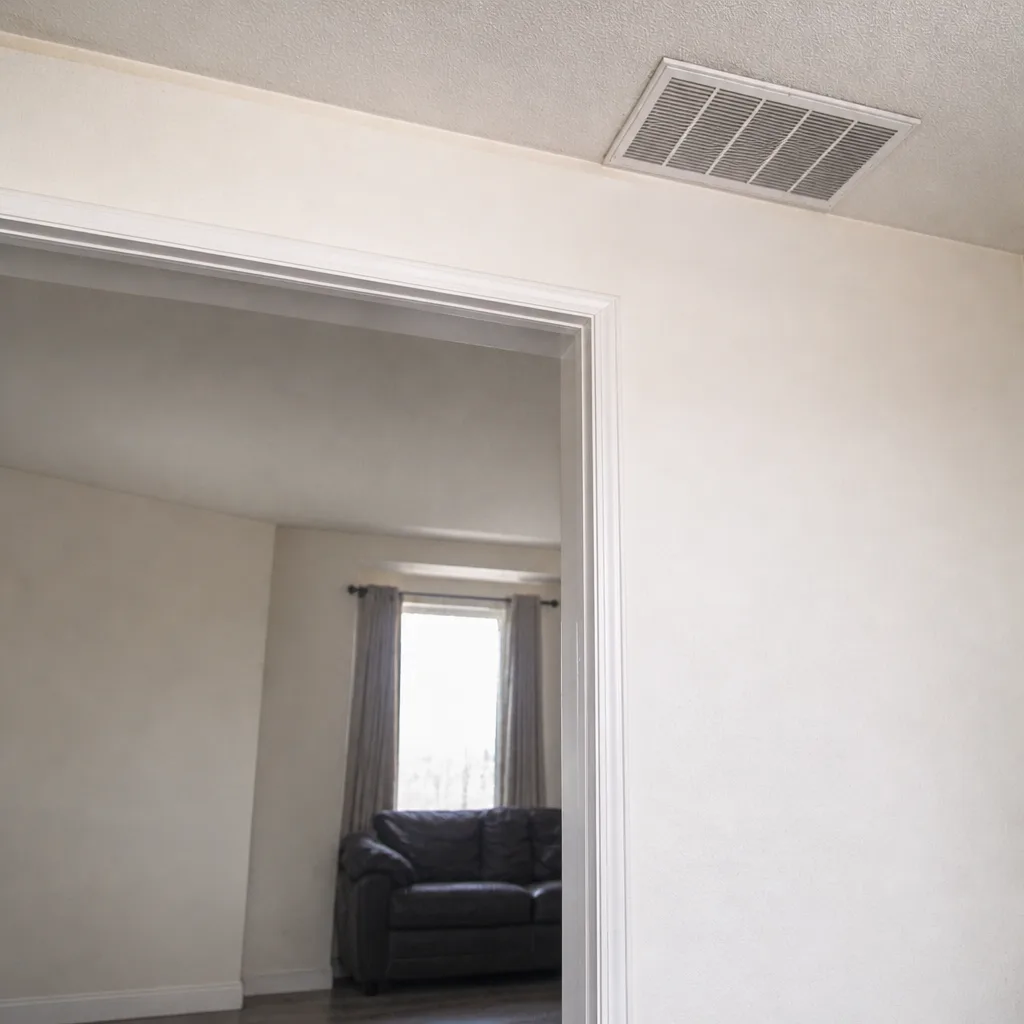
Whole-system duct and dryer vent check with before-and-after photos - you see exactly what came out of your vents
That "$99 whole-house special" is a bait ad - the real number appears once they are in your hallway, or the "clean" is a shop-vac at the register. We photograph the inside of your ducts before and after instead.
Choosing the Right Air Duct Cleaning Brand: A Buyer’s Guide for Hialeah
There is no Roto-Rooter of air duct cleaning. No single national brand stands behind the work in a way that guarantees quality, and the name on the side of the van tells you almost nothing about what happens inside your walls. What actually determines whether your ducts get cleaned or just disturbed is the equipment class the technician operates and whether they know how to run it for your particular duct layout. In Hialeah, where dozens of operators advertise the same promises, that distinction is everything. This guide walks you through the three contractor-grade systems worth asking about, the exact questions that separate specialists from generalists, and how to verify claims before you let anyone near your HVAC system.
Quick Answer
The right air duct cleaning brand in Hialeah is the one that can name its equipment, explain its process for your duct configuration, verify its credentials through NADCA and the Florida DBPR, and show you camera footage of your own ducts before and after. Name recognition and fleet size are distractions. Ask about the vacuum’s CFM rating and whether the crew uses rotary contact cleaning or air-whip only, and you’ll learn more in two minutes than a dozen reviews will tell you.
Styles & brands we work with
- Whole-home duct cleaning
- Dryer vent cleaning
- Camera inspection
- Sanitizing & deodorizing
Table of Contents
- The Three Equipment Classes That Actually Matter
- What Rotobrush Rotary Systems Do That Shop Vacs Can’t
- Why Nikro HEPA Vacuums and Negative Air Pressure Change the Job
- When Abatement Technologies Filtration Becomes Necessary
- Why National Franchise Brands Vary by Local Operator
- The Questions That Reveal a Contractor’s Real Equipment Class
- Verifying Credentials Before the Equipment Conversation
- What Documented Process Looks Like From Start to Finish
The Three Equipment Classes That Actually Matter
Legitimate professional duct cleaning relies on three distinct equipment systems, each doing a different job. Understanding what each one does tells you whether a contractor is equipped for routine maintenance, heavy contamination, or both. Generalist handymen and discount cleaners typically show up with one light-duty vacuum and call it a day. A specialist brings the right tool for the contamination level they find.
Here’s how the three classes break down:
- Rotary-brush agitation systems: mechanical scrubbing of duct walls, typically Rotobrush equipment. This is contact cleaning. The brush physically loosens debris bonded to the interior surface rather than pulling at loose dust.
- HEPA-rated negative-air vacuums: high-volume capture systems, commonly Nikro units, that hold the duct under negative pressure so dislodged debris travels into the machine instead of into your living room.
- HEPA air filtration and negative-air containment: Abatement Technologies equipment designed for elevated contamination scenarios where fine particulates or mold spores are present and need containment beyond a standard vacuum.
Each class solves a different problem. A contractor with only the third and none of the first two hasn’t cleaned anything; they’ve filtered the air around a dirty duct. A contractor with only a shop vac and no containment has redistributed dust throughout the house. The right combination depends on what’s actually inside the system, which is why camera inspection comes before equipment selection, not after.
When we assess a Hialeah home, the first question isn’t which tool we’ll use but what the ducts look like inside. That’s the difference between a cleaning and a guess. If you want to see how this plays out in practice, our air duct cleaning page walks through the sequence from inspection to final verification.
What Rotobrush Rotary Systems Do That Shop Vacs Can’t
Rotobrush rotary-brush systems are the industry standard for mechanical duct cleaning, and the reason is simple physics. A vacuum pulls at whatever is loose. A rotating brush contacts the duct wall itself, scrubbing away the layer of dust, pet dander, and debris that has bonded to the surface over years. Those are two very different operations.
Think about the inside of a supply duct in a Hialeah home that’s been running the AC hard for years. Humidity is high, the system cycles constantly, and fine dust settles on the duct walls where condensation has made it tacky. A vacuum will grab the loose top layer and leave the rest. A rotary brush removes the coating that’s actually feeding particles back into the airstream every time the blower runs. That’s the whole point of cleaning.
Here’s what a rotary-brush stage looks like in a proper job:
- Containment is set first. Registers are sealed and a negative-air vacuum is connected so the system stays under pressure during agitation.
- The rotary brush enters through access points. The technician works the brush through each branch line and the main trunk, matching brush stiffness to duct material.
- Debris is continuously extracted. The brush loosens material; the vacuum captures it. Neither works alone.
- The technician re-inspects with a camera. Agitation continues until the duct walls are visibly clean, not until a timer runs out.
Rotary contact cleaning is non-negotiable for any duct system that hasn’t been serviced in years. A contractor who only offers air-whip cleaning, which uses compressed air to knock debris loose without contact scrubbing, is running a lighter process suited to lightly soiled ducts. Ask which method they use. The answer tells you which job you’re buying.
Why Nikro HEPA Vacuums and Negative Air Pressure Change the Job
Nikro HEPA-rated negative-air vacuums capture what the brush dislodges. That sentence sounds technical, but the practical stakes are high: without a HEPA-rated vacuum holding the duct under negative pressure, every particle you loosen becomes a particle in your child’s bedroom. The equipment isn’t a refinement. It’s the difference between cleaning and contaminating.
HEPA filtration matters because the particles that cause the most trouble are the smallest ones. Dust mites, pet dander, and mold fragments are measured in microns. A shop vac or light-duty unit with a basic filter will pass a meaningful share of those particles straight through the exhaust. A HEPA-rated system captures them at the filter. When we clean ducts in Hialeah, the Nikro unit is connected before any agitation begins and stays connected through the final pass.
What to look for when you ask about the vacuum system:
- CFM rating: the airflow volume the vacuum can sustain. Higher volume means debris is captured faster than the brush can release it, keeping negative pressure intact through the whole run.
- HEPA-rated filtration: the filter class, not just the marketing term “HEPA-style.” Ask for the rating.
- Negative pressure continuity: whether the machine can hold the system negative during peak agitation, which is when the most debris is airborne.
A contractor who can answer these questions in specifics has operated this class of equipment. One who deflects or answers in generalities is likely running a residential or light-commercial unit that doesn’t belong in a professional cleaning. This is also where our team sees the widest gap between what customers were told on the phone and what equipment arrives at the door.
When Abatement Technologies Filtration Becomes Necessary
Most residential duct cleaning in Hialeah doesn’t require Abatement Technologies filtration. Some does. The distinction matters because routine dust removal and contamination-level work call for different equipment, and a contractor who only owns one class of machine will either refuse the hard job or, worse, treat a serious contamination situation like a routine one.
Abatement Technologies air filtration units are designed for scenarios where fine particulates or mold spores are present in elevated concentrations. They provide containment beyond a standard negative-air vacuum, which matters when the goal is not just cleaning but preventing contamination from migrating into occupied spaces during the work. If a technician inspects your ducts and finds visible biological growth, heavy particulate buildup from a nearby construction project, or a system that’s been drawing from a chronically damp environment, the equipment needs to match the condition.
What homeowners should know about contamination-level cleaning:
- It starts with inspection, not assumption. Nobody can tell you what class of equipment a job needs from the driveway. Camera footage determines it.
- It costs more, and it should. A contractor quoting a contamination-level job at routine prices either hasn’t looked or doesn’t have the equipment.
- It stays within scope. Duct cleaning and repair address the delivery system. Remediation of mold in other building materials is a different trade. A specialist will tell you that plainly.
This is where the equipment conversation becomes a scope conversation. Our team works with Abatement Technologies units specifically because finding a real problem during a routine job shouldn’t mean handing the customer off to a second vendor mid-project. If your system has more going on than dust, the equipment to handle it is already on site. That’s a meaningful difference in Hialeah housing stock, where older construction and years of heavy AC use can hide surprising conditions inside a duct run.
Why National Franchise Brands Vary by Local Operator
National franchise duct cleaning brands vary dramatically by franchisee, and that variation explains most of the frustration homeowners bring to this decision. The corporate logo on the van represents a business system, a training program, and a marketing apparatus. It doesn’t represent the equipment in the back of the truck or the experience level of the technician holding the brush. Those belong entirely to the local operator.
In Hialeah, you might encounter two franchise vans with identical branding and find that one is equipped with a full Rotobrush rotary system and HEPA vacuum while the other runs a portable vacuum and an air whip. Both paid the same franchise fees. Both advertise the same services. The only way to know which you’re getting is to ask specific questions and listen for specific answers. Brand recognition cannot substitute for that, which is why this guide puts equipment before everything else.
The same logic applies in reverse when evaluating independent operators. An independent contractor with contractor-grade equipment and verifiable credentials is a better choice than a franchisee running entry-level tools. What you’re evaluating is the local operation, not the name.
A few practical realities worth understanding:
- Franchise territories vary in density. A franchisee covering a large territory with a thin equipment inventory will run lighter, faster jobs. Volume becomes the business model, and thoroughness suffers.
- Corporate training doesn’t guarantee equipment investment. Training covers process. Equipment purchases are a capital decision each operator makes independently.
- Marketing budget and equipment budget come from the same bank account. Heavy advertising can signal the opposite of what homeowners assume.
When you call a franchise number, ask to speak with the local Hialeah-area operator directly and run the equipment questions in our next section before booking. A local operator with serious equipment will welcome the conversation. One without will try to move you to scheduling.
The Questions That Reveal a Contractor’s Real Equipment Class
Two questions separate specialists from generalists faster than any review site: “What vacuum system do you use and what is its CFM rating?” and “Do you use rotary contact cleaning or air-whip only?” A contractor who answers both with specifics is operating professional-grade equipment and knows how to run it. One who hesitates, generalizes, or redirects is telling you what the job will actually be.
Here’s the full list of questions worth asking before you book, in the order that gets you the clearest picture:
- “What vacuum system do you use, and what’s its CFM rating?” You’re listening for a specific machine and a specific number. “A powerful commercial vacuum” is not an answer.
- “Do you use rotary contact cleaning or air-whip only?” Rotary contact cleaning means the duct walls get scrubbed. Air-whip only means they get blown at.
- “Do you use HEPA-rated filtration on the vacuum?” If yes, ask for the rating. If they say “HEPA-style,” ask what that means. It often means nothing.
- “Will you show me camera footage from inside my ducts before and after?” This is the single most revealing question. A contractor with nothing to hide will say yes immediately.
- “Can you handle contamination-level situations, or do you refer those out?” A straight answer either way is fine. Evasion is not.
- “Do you inspect the whole system before quoting, or quote on the phone?” Phone quotes for duct cleaning are guesses dressed as prices.
Notice that none of these questions ask about price first. That’s deliberate. A price quoted before anyone has looked at your ducts is worth roughly what you paid for it, and the industry’s bait-and-switch reputation exists because teaser prices and surprise invoices have become a pattern. When our team quotes a job, the written estimate follows an on-site inspection, the price is set per system, and it’s agreed before any work begins. That protects both sides.
If you’d rather start with the broader picture of how professional cleaning works, the main Hialeah Duct Cleaning page lays out the full service offering, and you can call (888) 831-4689 with these questions in hand. We answer 24/7.
Verifying Credentials Before the Equipment Conversation
Credentials come before equipment. Before you ask a single question about CFM ratings, confirm the contractor is legitimate at the state level and, where they claim it, the industry level. Two checks cover most of it: Florida DBPR licensing and NADCA membership. Neither guarantees quality on its own, but both filter out operators who shouldn’t be in your home.
The Florida Department of Business and Professional Regulation maintains the state’s licensing database, and you can search any contractor by name or license number before you call. Ask for the license number in writing and cross-reference it. This isn’t a formality. Unlicensed operators have no verifiable accountability and no business working on your HVAC system.
NADCA, the National Air Duct Cleaners Association, sets industry standards for duct cleaning practice. Membership means the contractor has committed to a documented process standard. Ask directly whether the company is a member and verify it. Membership isn’t universal among legitimate operators, but a yes is a meaningful signal, especially paired with specific equipment answers.
Once credentials check out, layer on these verifications:
- Written estimate before work begins. The price per system should be in writing and agreed to before anyone touches a register.
- Before-and-after documentation. Camera footage of your ducts, not stock photos of someone else’s.
- Insurance confirmation. Ask about liability coverage and confirm it.
- Clear scope of services. Duct cleaning, duct repair, and dryer vent cleaning are related but distinct. A contractor should be able to explain which one you need and why.
Only after those baseline checks are satisfied should the conversation turn to equipment. A contractor with great equipment but no license is a liability. A licensed contractor with the wrong equipment is a wasted appointment. You want both, and the verification order matters.
What Documented Process Looks Like From Start to Finish
Documented process is what “brand” should actually mean. Not a logo, not a fleet, not a directory listing. A contractor who can walk you through each stage of the job in order, tell you what equipment runs at each stage, and show you what they’ll document along the way is operating like a professional. Here’s what that sequence looks like when it’s done right.
- Inspection and camera footage. The technician inserts a camera into the duct system and records what’s inside: debris volume, duct condition, any gaps, connections, or biological growth. This footage is your baseline and should be shown to you.
- Written estimate per system. Based on the inspection, the contractor provides a written price for the whole system. Not per vent. Not a teaser figure. One flat price agreed before work starts.
- Containment and negative air. Registers are sealed, the HEPA negative-air vacuum is connected, and the system is brought under negative pressure before any agitation.
- Rotary contact cleaning. The Rotobrush system scrubs each branch line and trunk, with the vacuum capturing dislodged debris continuously.
- Repair on discovery. If the technician finds a gap, a disconnected joint, or a breach, duct repair is handled in the same visit rather than deferred to a second appointment.
- Post-cleaning inspection and footage. A second camera pass documents the result. You see what changed.
- Dryer vent cleaning where applicable. The dryer vent is a separate system with its own fire-safety stakes. It’s cleaned and the full run inspected.
Two things should stand out about this sequence. The first is that camera footage appears at both ends, not just at handoff. The second is that repair happens during the job, not after. When we find a breach while cleaning, it gets fixed in the same visit. That’s what it means to service the whole duct ecosystem instead of just the cleaning step.
Process also extends to what happens after the ducts are clean. Honeywell and Aprilaire filtration systems only perform as designed when the ducts delivering the air are clean, which is why our team works with those product lines to recommend whole-home air quality improvements that build on a clean system rather than compensating for a dirty one. The Hialeah climate makes this practical: with a long cooling season and plenty of humidity in the air, filtration needs to be matched to the load the system actually carries.
For anyone concerned about the fire-safety side of home maintenance, dryer vent cleaning is the other half of the equation. A clogged dryer vent is a real hazard, and the full run needs to be cleared and inspected, not just the section behind the dryer.
Common Mistakes to Avoid
- Choosing on price alone. The lowest quote in Hialeah is usually the lightest job. It’s not a discount; it’s a different service. Ask what equipment that price buys before you compare.
- Accepting a phone quote. Any figure given before someone looks inside your ducts is a guess. On-site inspection first, written estimate second, comparison third.
- Not asking for camera footage. If a contractor can’t show you footage of your own ducts before and after, you have no way to know the work was done. This is the single most effective verification available.
- Confusing air-whip with rotary cleaning. They sound similar in conversation and they are not the same job. Ask the direct question and listen for the direct answer.
- Booking on brand name. A franchise logo tells you nothing about the local operator’s equipment or experience. Evaluate the operator, not the corporate parent.
- Skipping credential checks. Florida DBPR licensing and NADCA membership are quick to verify and filter out operators who shouldn’t be in the home. Do it before the equipment conversation.
- Treating duct cleaning as a one-time purchase. Homes with pets, allergy sufferers, and properties near construction benefit from periodic inspection. Dust doesn’t stop accumulating after the first cleaning.
See the difference
 Before
 After
 Before
 After
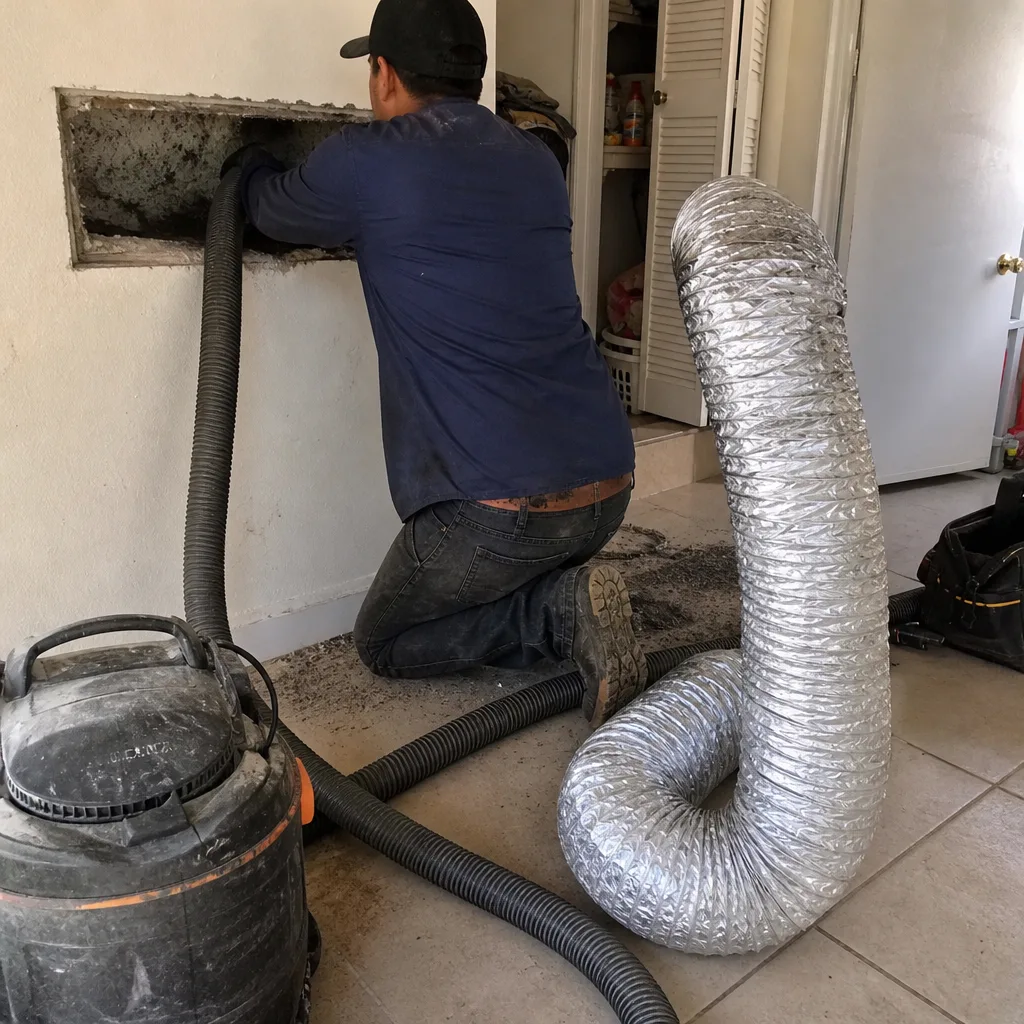 Before
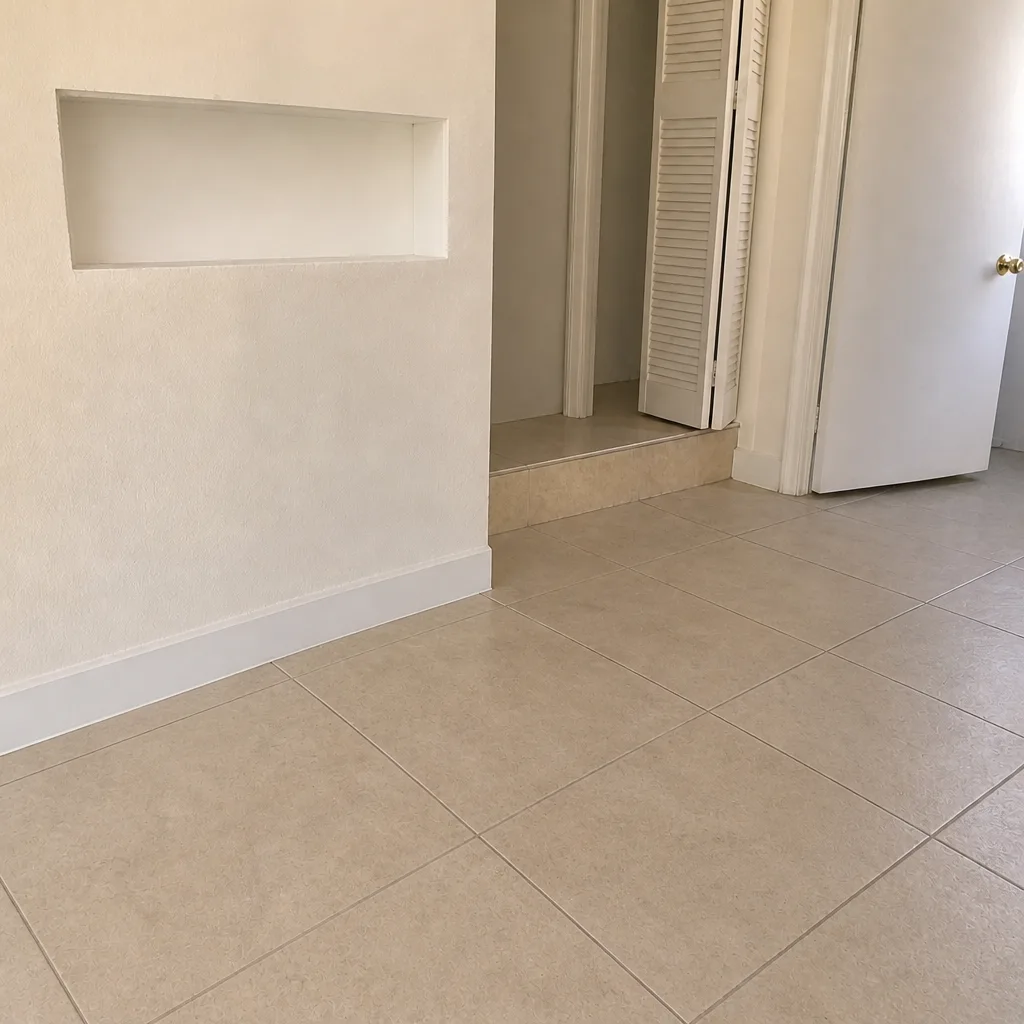 After
When to Call a Professional
Some signs of a duct problem are obvious and some hide in plain sight. Visible dust blowing from registers when the system starts up, a persistent musty smell that doesn’t clear, allergy symptoms that get worse indoors, or a dryer that takes noticeably longer to dry a load all point toward a system that needs attention. If you’ve just moved into a Hialeah home and don’t know when the ducts were last cleaned, an inspection is the right first step regardless of symptoms. The same applies after major renovation work, which sends fine particulate through the return system.
A clogged dryer vent deserves its own urgency. It’s a fire hazard, and the full run needs to be cleared and inspected, not just the visible section. Hialeah Duct Cleaning offers free estimates in Hialeah – call (888) 831-4689. We answer 24/7. Fast dispatch from 7am to 7pm, Sunday through Friday.
Frequently Asked Questions
Air duct cleaning in Hialeah is priced per system, not per vent, and the written estimate after on-site inspection sets the final price. That structure is deliberate: it means the number you agree to is the number you pay, and it protects you from the teaser-price-to-surprise-invoice pattern that has damaged this industry’s reputation. Call (888) 831-4689 for an exact quote – estimates are free.
Cheap quotes are almost always a different service wearing the same label: a light-duty vacuum pass or air-whip treatment instead of rotary contact cleaning with HEPA negative-air capture. The equipment costs the contractor more, and that shows up in the price. When you compare quotes, compare what equipment each one buys. Call (888) 831-4689 if you want to talk through what a specific quote likely includes.
Camera footage of your own ducts before and after the cleaning. Nothing substitutes for it. A contractor who does the job properly will show you the inside of your system at both ends and isn’t bothered by the request. Ask before you book, not after. Call (888) 831-4689 for an estimate and ask to see the footage process in detail.
Most homes benefit from an inspection every few years, with cleaning done when the inspection shows it’s needed rather than on a fixed schedule. Homes with pets, allergy sufferers, recent renovations, or heavy AC use in a humid climate like Hialeah’s may need attention sooner. The honest answer is inspection-driven, not calendar-driven. Call (888) 831-4689 to schedule an inspection and get a straight read on your system.
Both are baseline verification, not decoration. Florida DBPR licensing confirms the contractor is accountable to state regulators, and NADCA membership signals commitment to a documented industry process standard. Verify both before the equipment conversation, because great equipment in the hands of an unlicensed operator is still a problem. Call (888) 831-4689 with questions about credentials or to book a free estimate.
Repair should happen in the same visit. If a technician finds a gap, disconnected joint, or breach while cleaning, a properly equipped contractor fixes it on the spot rather than booking a second appointment. That’s why servicing the full duct ecosystem – cleaning, repair, and dryer vent cleaning – under one specialist matters. Call (888) 831-4689 to ask how repair-during-cleaning works for your situation.
The Bottom Line
Brand recognition is not a quality guarantee in air duct cleaning, and no national name substitutes for knowing what equipment your contractor operates. The three systems that matter are rotary-brush agitation, HEPA-rated negative-air capture, and containment-grade filtration for elevated contamination. Verify Florida DBPR licensing and NADCA membership first, then ask directly about CFM ratings, rotary contact cleaning versus air-whip only, and whether camera footage of your own ducts will be shown before and after. In Hialeah, where humidity and long cooling seasons keep systems working hard, the local operator’s tools and process tell you far more than the logo on the van. Ask the questions. The answers sort the field quickly. Call (888) 831-4689 for a free estimate.
Written by the team at Hialeah Duct Cleaning.