
Last updated November 15, 2026
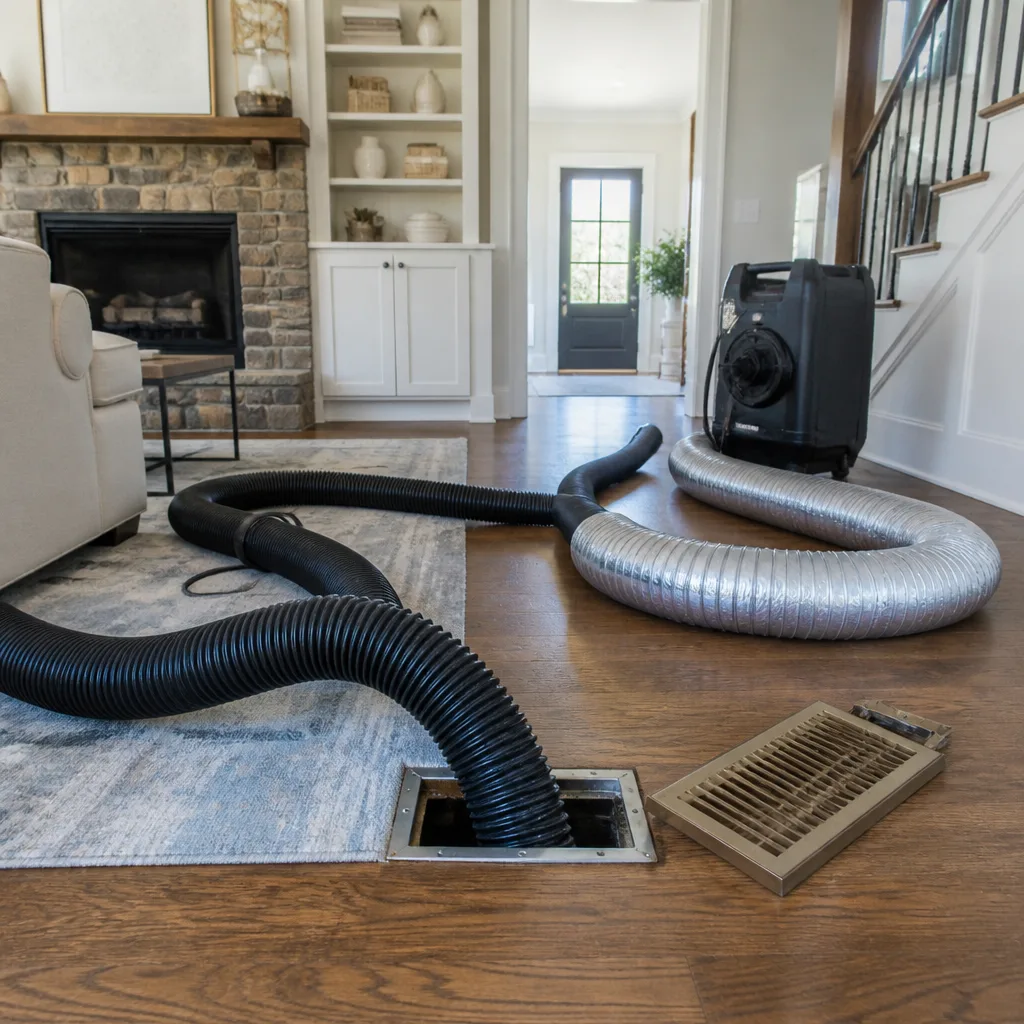 Whole-home duct cleaning
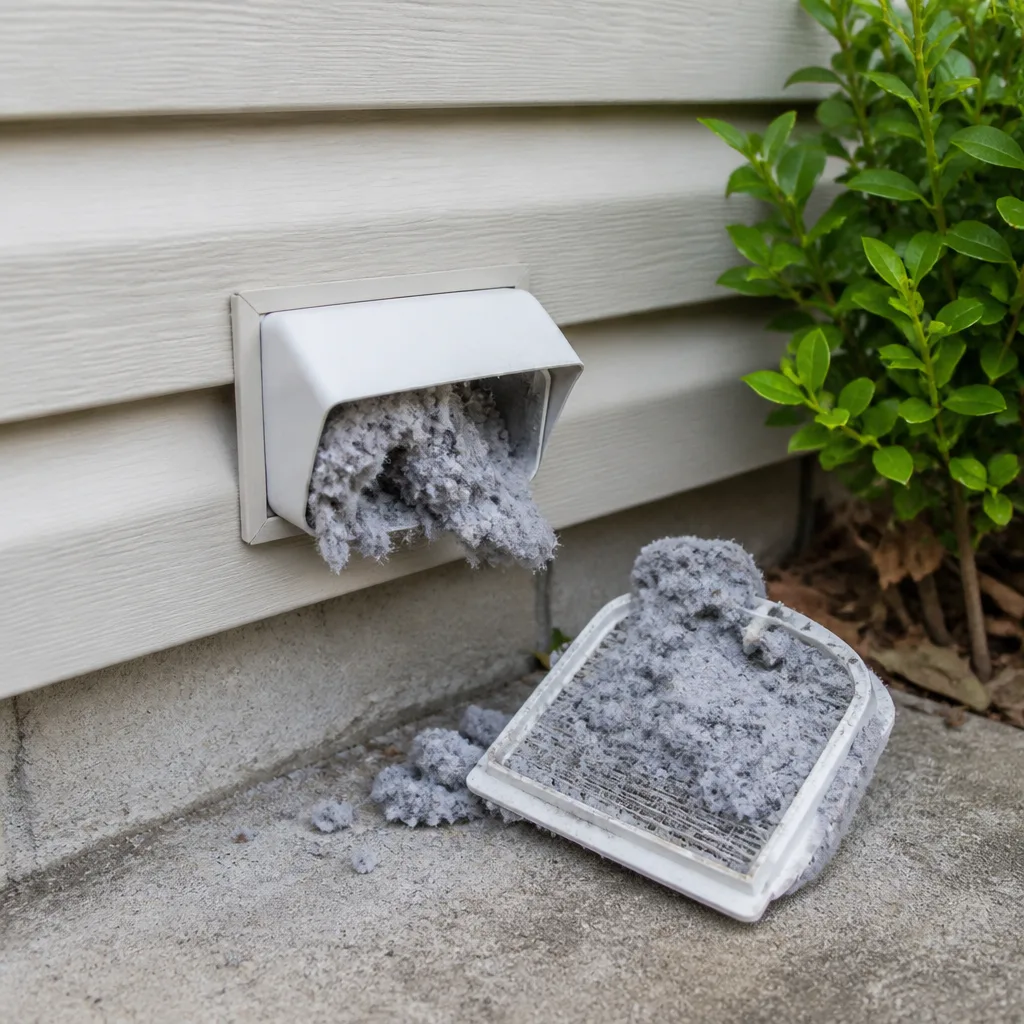 Dryer vent cleaning
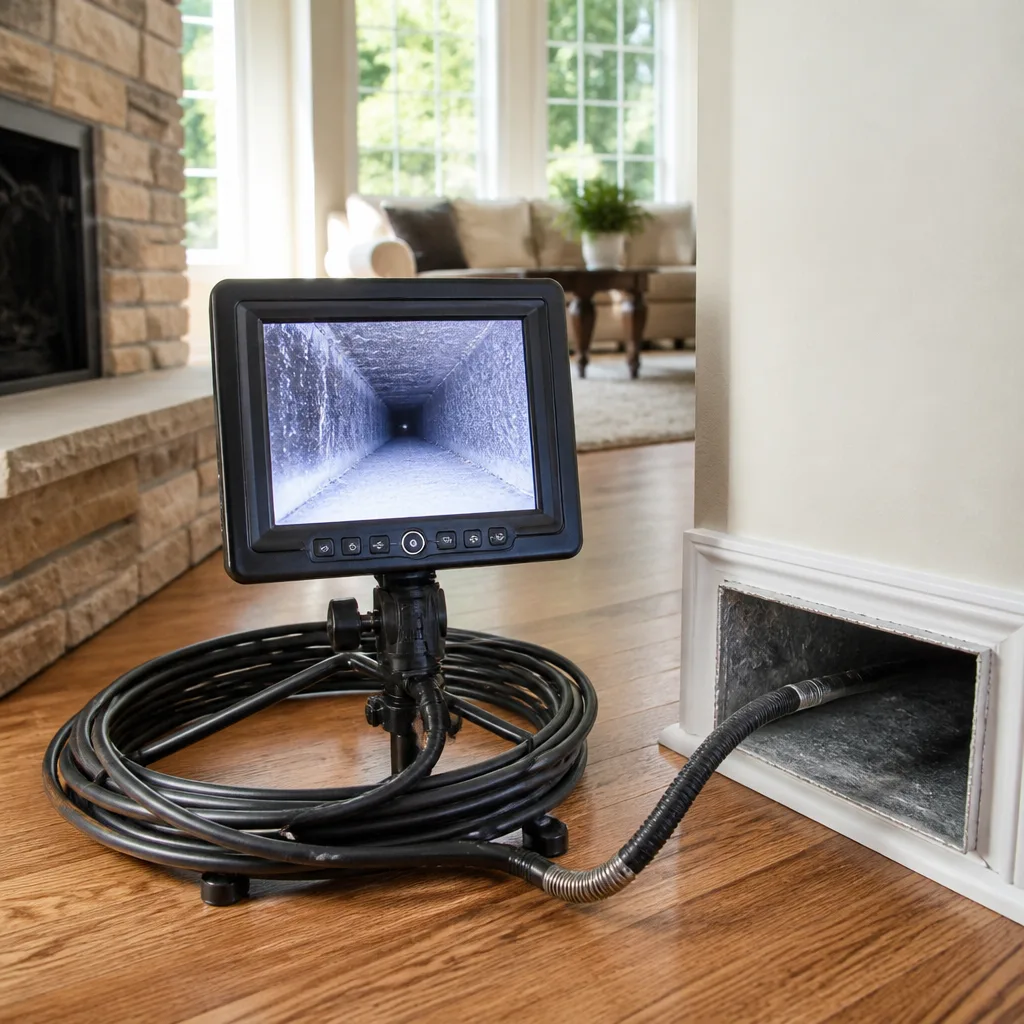 Camera inspection
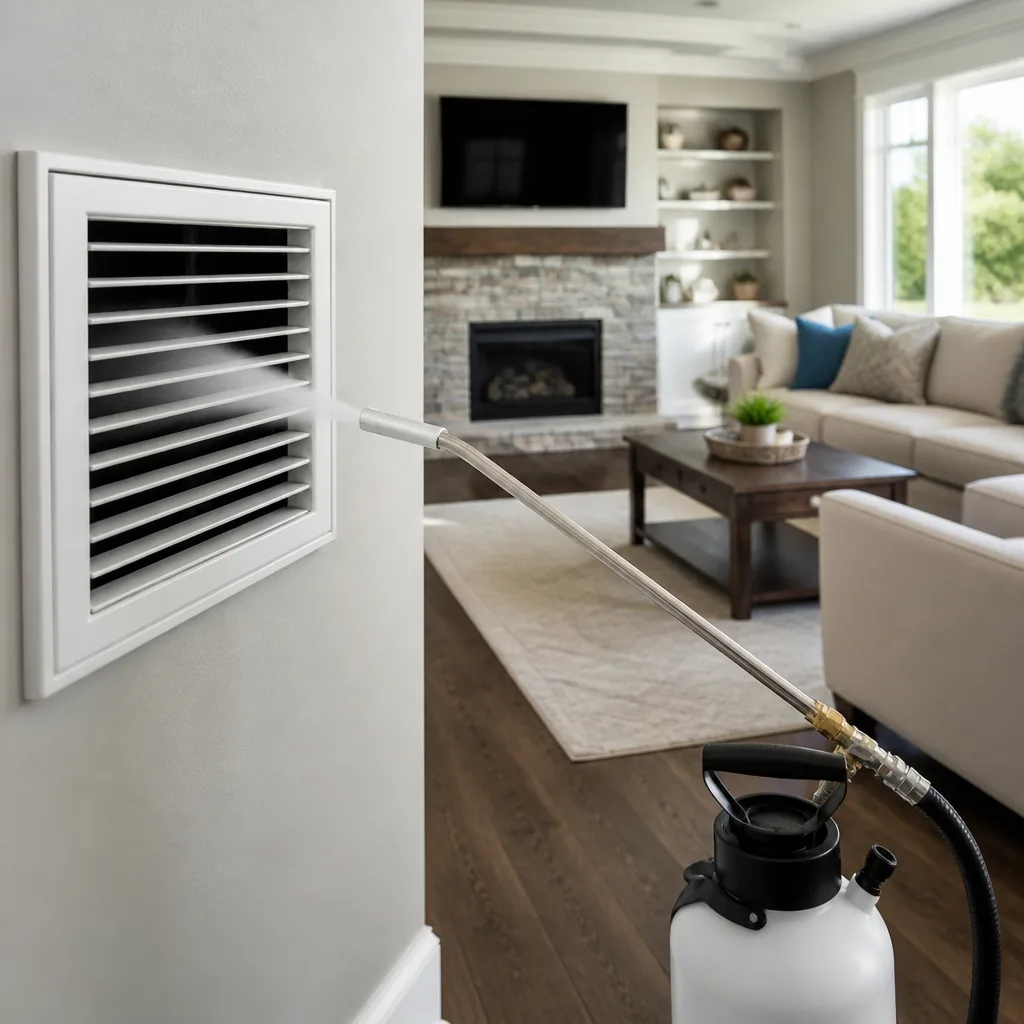 Sanitizing & deodorizing
Whole-system duct and dryer vent check with before-and-after photos - you see exactly what came out of your vents
That "$99 whole-house special" is a bait ad - the real number appears once they are in your hallway, or the "clean" is a shop-vac at the register. We photograph the inside of your ducts before and after instead.
Air Duct Cleaning Cost Breakdown: The Hialeah Homeowner’s Reference for 2026
Two contractors quote the same house. One says $150, the other says $650. Before you book the lower one, understand what you’re actually comparing: those two quotes may describe two completely different services, and only one of them cleans your ducts. A bargain price usually buys a surface pass with a shop vac and no containment, while a real whole-system job involves negative pressure, mechanical brush agitation, and verification you can see. In Hialeah, where most homes run the air conditioner hard for much of the year, the gap between those two jobs matters more than the number on the invoice. This guide breaks down what drives each cost component so you can measure any quote against real scope, not just price.
Quick Answer
In Hialeah, legitimate whole-system air duct cleaning in 2026 typically runs about $350 to $700 for a standard single-story home, $600 to $1,200 for larger or two-story homes, and more when the duct system is sheet metal, heavily contaminated, or needs access cut and sealed. Flat-rate teaser offers around $89 to $150 usually cover a partial surface vacuum, not a full mechanical cleaning of every run. The written estimate should set the final price before any work starts.
Styles & brands we work with
- Whole-home duct cleaning
- Dryer vent cleaning
- Camera inspection
- Sanitizing & deodorizing
Table of Contents
- Cost Per Vent vs. Whole-System Pricing
- Why Equipment Type Changes the Price
- A Line-Item Breakdown of a Real Hialeah Job
- What Price Range Fits Your Home and Duct Type
- Add-Ons With Real Value vs. Upsells to Question
- How to Read a Duct Cleaning Quote Line by Line
- How Hialeah’s Climate and Housing Shape the Job
- Repair and Dryer Vent Costs You May Not Expect
Cost Per Vent vs. Whole-System Pricing
Per-vent pricing and whole-system pricing are not two ways of charging for the same work. They reward different behavior, and that difference is the single biggest reason two Hialeah homeowners with identical houses can pay wildly different amounts. Per-vent pricing bills you a set amount for each register the contractor cleans. Whole-system pricing sets one price for cleaning the entire duct system, however many runs that takes.
Here’s the problem with per-vent. If a contractor earns more for every vent, the incentive is to clean as few as possible while still calling it a duct cleaning, or to price each vent high enough that the total creeps toward a whole-system price anyway. It can also create pressure the other way: a low per-vent rate gets you in the door, then the count balloons once the technician is inside. Whole-system pricing removes that tug-of-war. The price is agreed for the system, and the job is to clean all of it.
What whole-system pricing should cover:
- Every supply and return run connected to the system, not a selected handful
- The plenum and main trunk lines, where debris settles heaviest
- All registers and grilles, removed and cleaned rather than wiped
- Containment and vacuum setup so dislodged debris leaves the house, not the ducts only to land on your furniture
When you collect quotes in Hialeah, ask each contractor directly: “Is this price for the whole system, or per vent?” The answer tells you more about the quote than the number does. A contractor who charges per vent can still do a thorough job, but you’ll want the total vent count and the per-vent rate in writing before anyone starts.
Why Equipment Type Changes the Price
Equipment is the second major cost driver, and it’s the one homeowners most often miss. A portable blower or a shop-vac-style unit can be set up and run through a house in under an hour. A professional rotary-brush system like the Rotobrush takes three to four times longer on the same house, because it mechanically scrubs the inside walls of each duct run instead of just pulling air through it. That extra time is labor, and labor is a real cost. It also produces a measurably different result.
Think about what’s actually stuck to the walls of a duct. Dust, lint, pet hair, and the film that builds up when an air handler runs constantly can cling to flex duct lining or sheet metal. Airflow alone doesn’t remove it. A rotating brush physically contacts the duct surface and breaks that layer loose. A HEPA-rated negative-air vacuum, such as those from Nikro, then captures what’s dislodged. The two work as a pair: brush agitation without containment just moves debris around, and containment without agitation leaves the stuck layer in place.
Higher-contamination situations sometimes call for more capable filtration. That’s where equipment like Abatement Technologies air filtration units comes in. When a system carries fine particulates or elevated contamination, a stronger filtration setup adds time and cost, but it also means the job is handled correctly rather than pushed through with light-duty gear.
Here’s the practical takeaway. A quote of $150 for a whole house is only possible with fast, light-duty equipment. That’s not a knock on the contractor’s character. It’s arithmetic. If you want mechanical brush cleaning plus HEPA containment, the price has to reflect the labor those tools require. Ask any contractor what equipment they’ll use and how long the job will take. The answers explain the price better than any sales pitch.
A Line-Item Breakdown of a Real Hialeah Job
A legitimate whole-system cleaning is a sequence of steps, and each step has a labor cost attached. When you understand the sequence, a quote stops looking like a single mystery number and starts looking like a work order you can check. Here are the steps a proper job involves, in order:
- Inspection and system mapping. The technician traces the duct layout, counts runs and registers, and identifies flex versus sheet metal, accessible versus concealed sections, and any existing damage. This step sets the scope and the price.
- Access creation. Many systems have few or no service openings. Cutting and later sealing access points into trunk lines or plenums takes time and materials, and it’s often the difference between a real cleaning and a surface pass.
- Negative pressure setup. A HEPA vacuum connects to the system and pulls a steady negative pressure so loosened debris is captured at the source instead of escaping into living spaces. Setup time here is part of the price.
- Brush agitation, run by run. A rotary brush works each duct run and the trunk lines. This is the longest single phase of the job and the reason professional cleaning takes hours rather than minutes.
- HEPA vacuum containment. Throughout agitation, the vacuum keeps capturing dislodged material. Containment is continuous, not a final step.
- Register and grille cleaning. Supply and return covers come off, get cleaned separately, and go back on. Wiping the face of a grille isn’t the same as cleaning it.
- Camera verification. A camera check inside the ducts before the job wraps confirms the runs are actually clean. It’s also your proof the work happened the way the invoice says.
If we find a gap, a disconnected joint, or a crushed section of flex while cleaning, we can address repair on the spot in most cases rather than scheduling a second visit. That repair work is a separate line on the estimate, quoted before it’s done. For a full walk-through of what air duct cleaning involves from start to finish, our service page covers each stage.
What Price Range Fits Your Home and Duct Type
Home size and duct material are the two fastest ways to estimate a ballpark before you call anyone. The ranges below are typical for the Hialeah market in 2026. They are estimates only, and the written estimate you receive sets the final price for your specific system.
| Home Size / Duct Type | Typical Whole-System Range | What Usually Drives the Range |
|---|---|---|
| Small home or condo, few runs, flex duct | $300 – $500 | Shorter runs, easier access, less labor overall |
| Standard single-story home, flex duct | $350 – $700 | Full run count, trunk-line cleaning, containment setup |
| Standard single-story home, sheet metal duct | $500 – $900 | More durable duct but tougher access and heavier agitation work |
| Two-story or larger home | $600 – $1,200 | Longer runs, more registers, more brush time |
| Heavy contamination or concealed ductwork | $900 – $1,500+ | Extra access, extended agitation, stronger filtration setup |
Flex duct shows up in most residential construction in this area, and it’s generally faster to clean than older sheet metal because the runs are shorter and more accessible. Sheet metal systems can hold more years of buildup in the seams and can require more careful access work. Neither type is inherently a “better” job. They just cost different amounts of labor.
When a quote lands well below these ranges for a whole-system cleaning, ask what it includes. It may cover a partial system, a surface vacuum, or fewer runs than your home actually has. When it lands well above, ask what specific condition justifies the number. A contractor doing a real cleaning can explain it line by line.
Add-Ons With Real Value vs. Upsells to Question
Add-ons split into two groups: the ones that solve a real, identified problem and the ones pushed before anyone has looked inside your system.
Add-ons with genuine cost justification:
- Dryer vent cleaning. A clogged dryer vent is a fire hazard, and clearing the full run is a measurable safety improvement. It’s also a separate job from duct cleaning with its own labor and equipment. Our dryer vent cleaning service handles the full run, not just the section behind the dryer.
- Coil cleaning. The evaporator coil sits in the airflow path. When it’s fouled, no amount of duct cleaning downstream will fix restricted airflow or a system that’s overworking. Coil cleaning is worth it when inspection shows buildup.
- Sanitizer application. Legitimate when microbial growth is actually found during inspection. An application should follow cleaning that removes the food source for that growth, not replace it.
- Filtration or humidity upgrades. Honeywell and Aprilaire product lines work best when the ducts delivering that air are clean, so recommending a filtration or humidity upgrade after cleaning makes sense when a real IAQ problem exists.
Upsells to question: anything offered before the technician has inspected the system. A “sanitizer” sprayed without looking inside, or a bundled filtration package sold before the ducts are clean, is a cost with no confirmed problem behind it. The right time to discuss an add-on is after the inspection finds a reason for it, and the cost belongs on the written estimate before work begins.
How to Read a Duct Cleaning Quote Line by Line
The quote itself is your best diagnostic tool, and learning to read one takes about five minutes. Every quote should answer the same core questions before it answers the price.
- Is the price whole-system or per vent? Whole-system is more reliable. If it’s per vent, the total vent count and rate must be written down.
- What equipment is named? A specific rotary-brush system and a HEPA vacuum signal a mechanical cleaning. A generic “professional equipment” line says nothing.
- Is access creation included? If your system has limited openings, confirm whether cutting and sealing access is in the price or billed separately.
- Does it list registers and grilles? Removal and cleaning of grilles should be explicit.
- Is verification included? A camera check before closeout is the cleanest proof of work.
- Are add-ons itemized? Legitimate add-ons appear as separate lines with their own scope, not bundled into a mystery total.
Two more habits help. Ask for before-and-after photos of your own ducts, so evidence of the job is documented. And confirm the estimate in writing before work starts, so the final price matches the agreed price.
How Hialeah’s Climate and Housing Shape the Job
Air conditioners here run for most of the year, and a system that runs constantly moves a continuous stream of air through the ducts. That steady flow of warm, humid air keeps dust, lint, and pet hair circulating and settling in a way that a system used only a few months out of the year won’t match. The buildup in Hialeah ducts tends to be steady rather than seasonal.
Humidity is the second factor. In homes where condensation forms on or near duct surfaces or where the air handler cabinet stays damp, the environment inside the system can support biological growth that dry-climate cleaning never runs into. That’s part of why equipment like Abatement Technologies filtration matters in some jobs here: elevated contamination calls for a more capable setup than routine dust removal.
Housing stock matters too. Much of the housing in Hialeah, from the older neighborhoods around Palm Springs and Hialeah Gardens to the newer residential sections toward the north, uses flexible ducting installed over decades. Flex duct is easy to disconnect or crush in tight attic spaces, and a system that has never been inspected may have long-term buildup combined with disconnected joints or sagging runs. A cleaning job that skips inspection will miss those problems entirely.
In Hialeah, our approach is to start with inspection, because the state of the system dictates both the cleaning scope and the price. If you’re searching for a duct specialist across Hialeah, look for one whose quote reflects that sequence.
Repair and Dryer Vent Costs You May Not Expect
Two costs surprise homeowners: repair discovered during cleaning, and dryer vent cleaning. Both are legitimate, and both should be quoted before work rather than added after.
Repair matters because a clean duct system with a disconnected joint isn’t a clean system. Any gap or breach lets debris bypass the run, and it lets treated air escape into an attic or crawl space. When cleaning uncovers a failure, a repair quote should be in writing with the specific scope before repair begins. If a repair is significant, it may need its own visit and estimate.
Dryer vent cleaning is often treated as an afterthought, but a clogged vent is a fire hazard. It should clear the full run from the dryer connection to the exterior termination. Pricing usually depends on run length and access, and it’s quoted per system like everything else.
The core rule for both: one flat price per system agreed before work starts, with the scope in writing. That principle is what makes a quote meaningful in Hialeah, whether the job is cleaning, repair, or a dryer vent.
Common Mistakes to Avoid
- Choosing a quote by price alone. A $150 quote and a $650 quote may describe two different services. Compare scope, equipment, and included steps before comparing the number.
- Accepting per-vent pricing without a total. In Hialeah homes with inconsistent run counts, an unclear per-vent rate can balloon once the technician is inside.
- Skipping the equipment question. A contractor who can’t name their brush system and vacuum likely isn’t running professional-grade gear. Ask directly.
- Booking a cleaning that skips inspection. Systems here often have years of buildup plus a crushed or disconnected flex run. Cleaning without inspection misses all of it.
- Buying add-ons before inspection. A sanitizer or filtration package pitched before anyone looks inside is a cost with no confirmed problem behind it.
- Not asking for proof. Before-and-after photos of your own ducts and a camera check before closeout are reasonable to expect. Ask for both.
- Ignoring the dryer vent. Treating it as unnecessary skips a safety issue that clearing the full run directly addresses.
See the difference
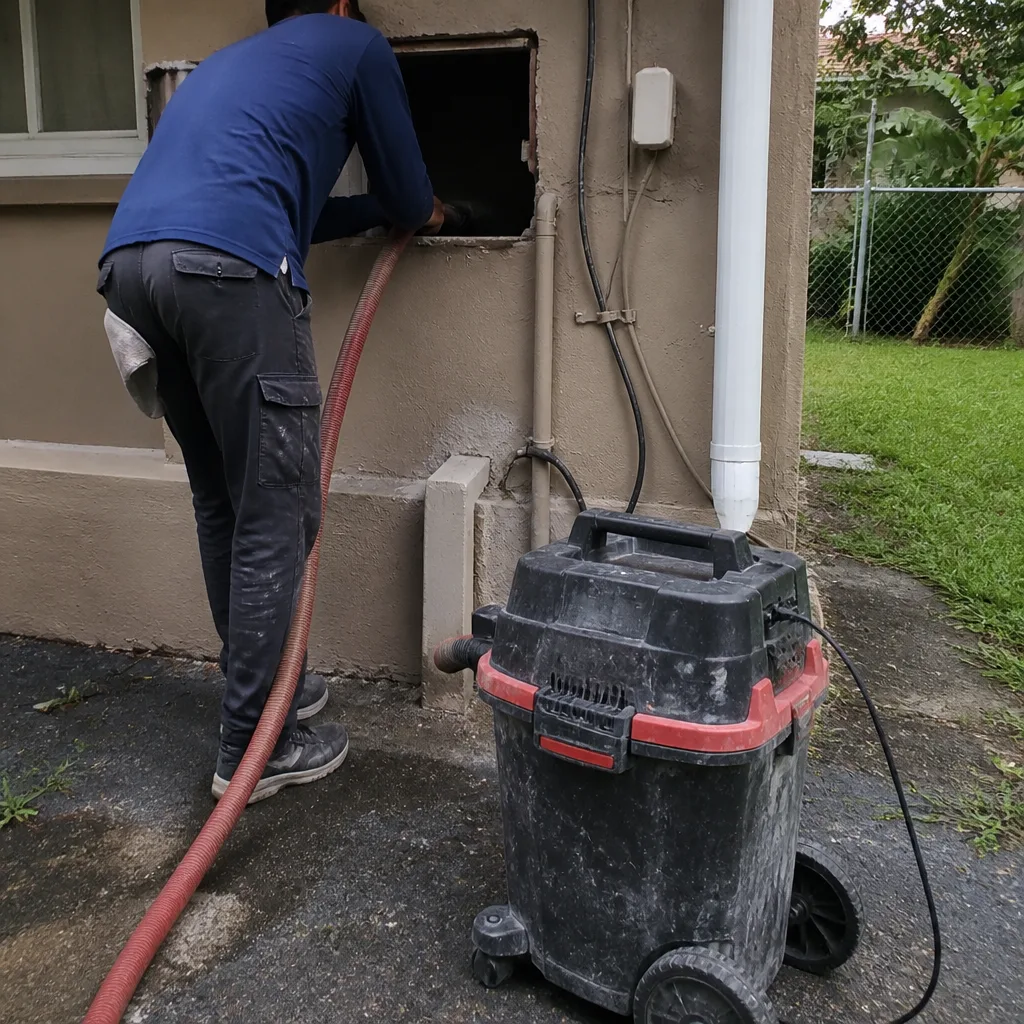 Before
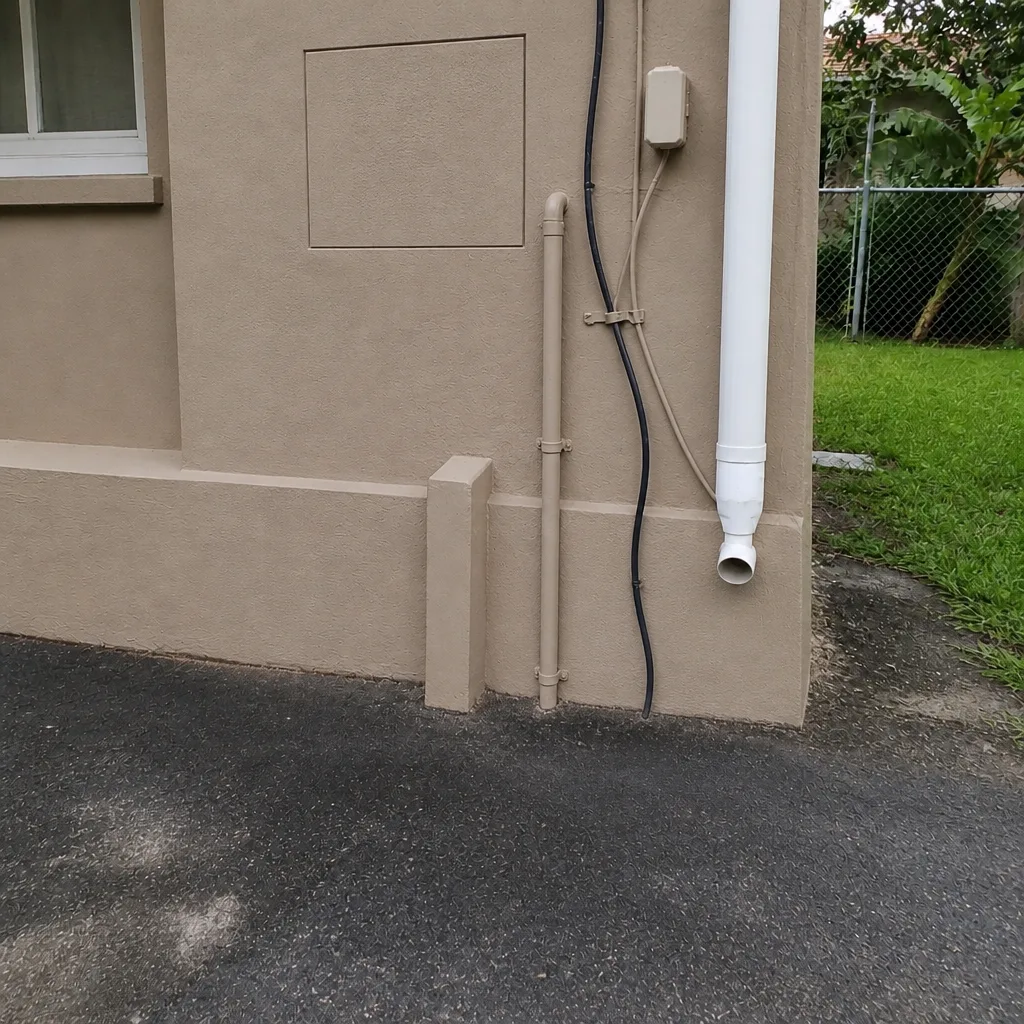 After
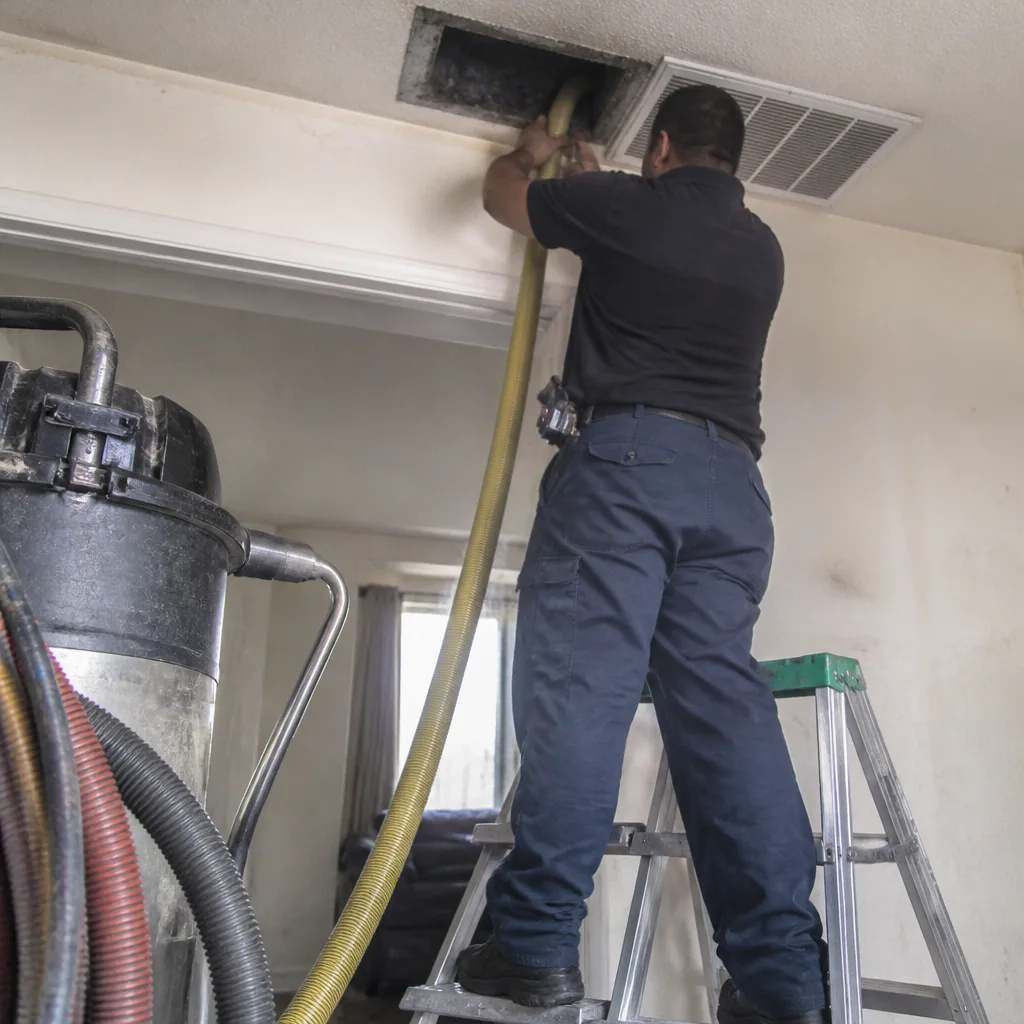 Before
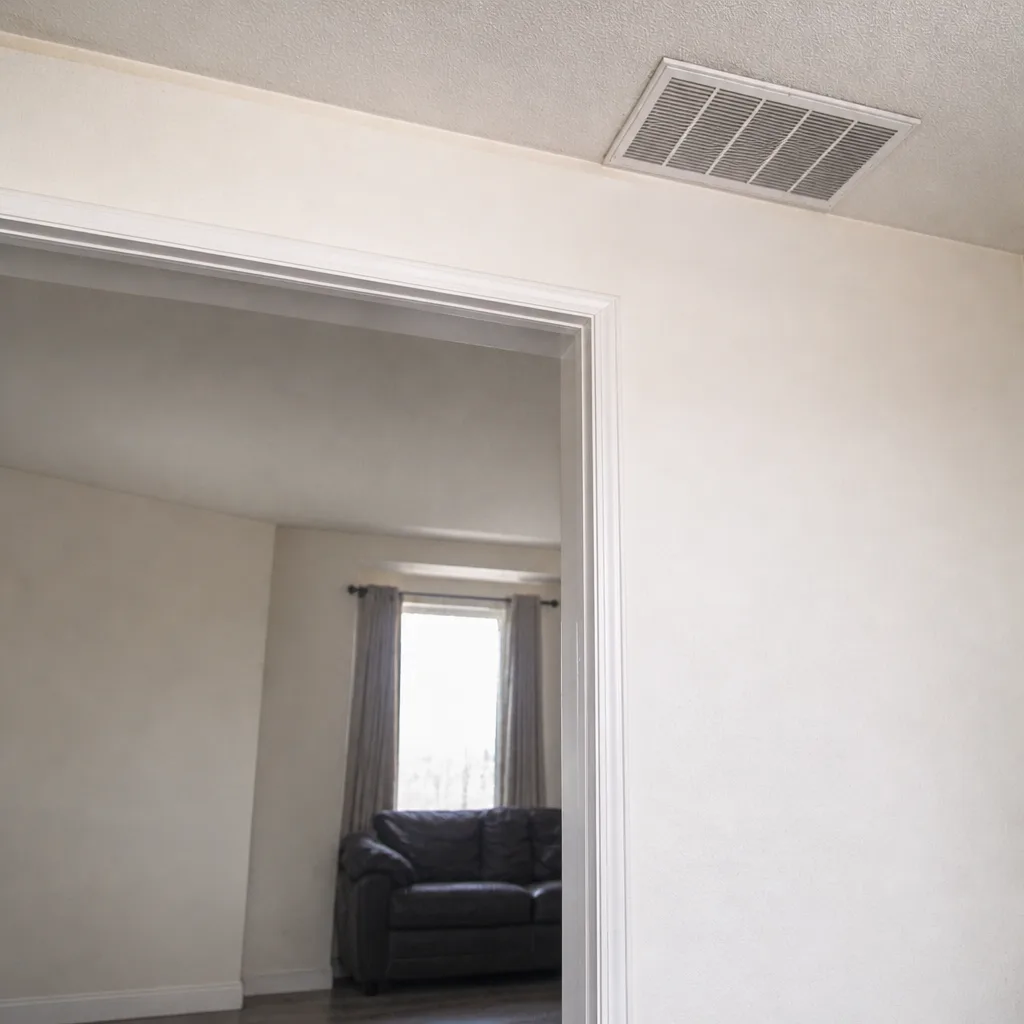 After
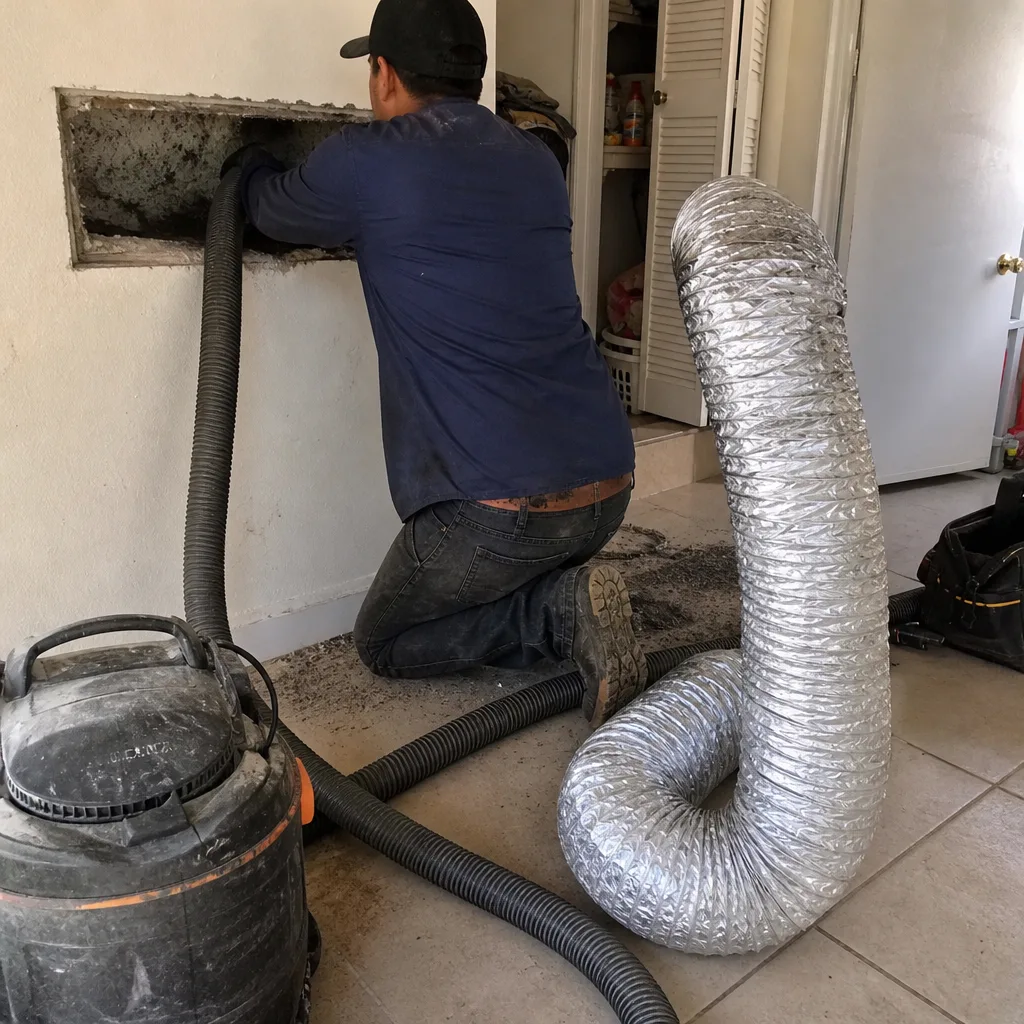 Before
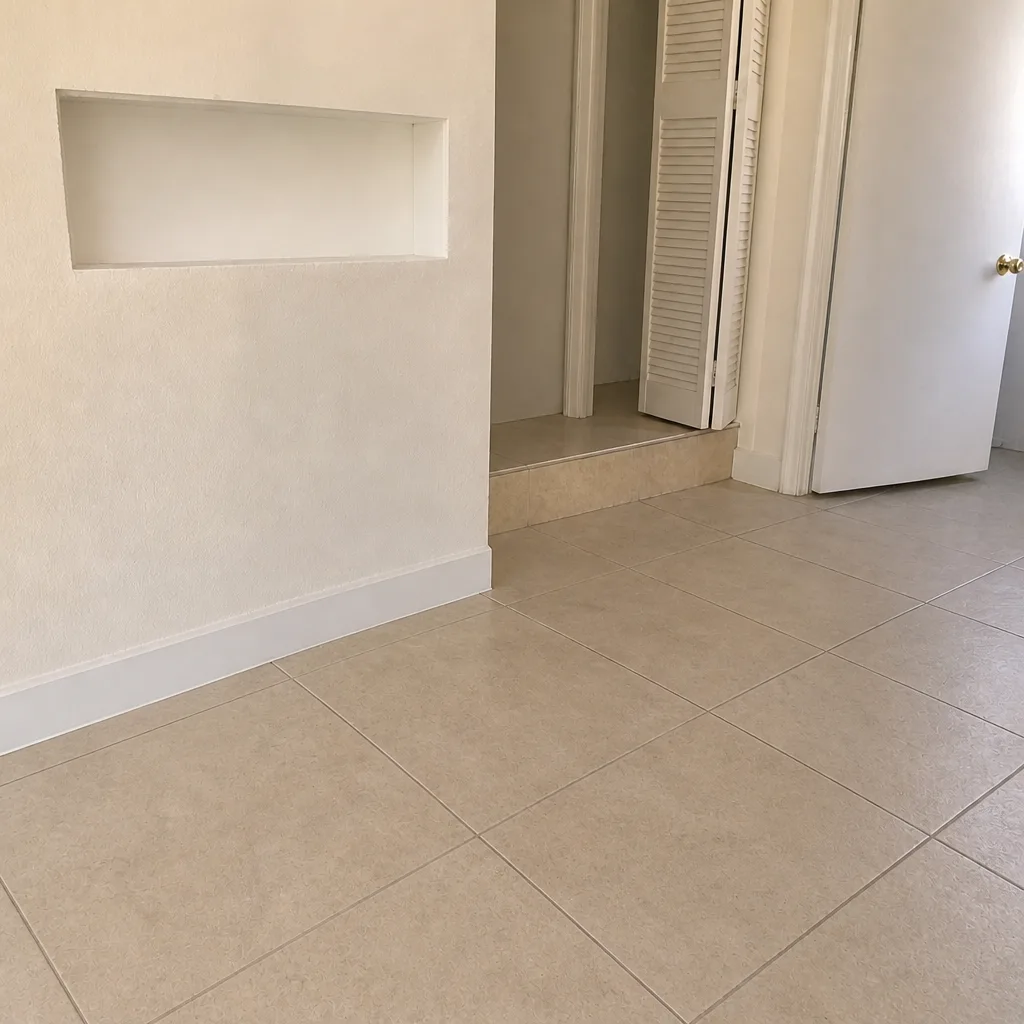 After
When to Call a Professional
Call a professional when you can’t remember the last time the system was cleaned, when dust appears on surfaces soon after cleaning, or when airflow from registers feels weak in some rooms and strong in others. For anyone with allergies, young children, or pets in the house, a first inspection is worth it just to know the system’s condition. Visible buildup on register covers or a musty smell when the air comes on are both signs the system needs a closer look.
Hialeah Duct Cleaning offers free estimates in Hialeah. Call (888) 831-4689. We answer 24/7. Fast dispatch from 7am to 7pm, Sunday through Friday. Ask us to walk you through what a whole-system job includes for your home.
Frequently Asked Questions
Most whole-system jobs in Hialeah run about $350 to $700 for a standard single-story home, with larger homes and sheet metal systems reaching $1,200 or more. Estimates are free, and the written estimate sets the final price. Call (888) 831-4689 for an exact quote.
Cheap quotes usually describe a different job: a surface vacuum with light-duty equipment rather than mechanical brush cleaning with HEPA containment. A contractor running a rotary brush through a full house spends hours more on the same job. Ask what equipment is used and how long the job takes. Call (888) 831-4689 and we’ll explain what a proper cleaning includes.
Ask for before-and-after photos of your own ducts and a camera check inside the runs before closeout. Both are reasonable to expect on a whole-system cleaning. Call (888) 831-4689 to discuss what verification a quote includes.
There’s no single number that fits every home, but a first inspection is worth doing for any system with unidentified history. After that, the interval depends on the system’s condition, pet hair volume, and what inspection finds. Call (888) 831-4689 for an assessment.
Humidity itself doesn’t raise the price, but a damp system can carry contamination that takes more capable filtration and longer labor to handle. Those factors show up in the quote after inspection. Call (888) 831-4689 for a free estimate on your specific system.
No. Dryer vent cleaning is a separate system with its own run, and it’s priced separately. It’s worth taking care of because a clogged vent is a fire hazard. Call (888) 831-4689 to add it to your estimate.
The Bottom Line
The gap between a $150 quote and a $650 quote in Hialeah isn’t profit margin. It’s equipment, labor time, containment, access work, and verification. Whole-system pricing is more reliable than per-vent pricing because it removes the incentive to clean as few runs as possible. Professional rotary-brush cleaning with HEPA containment takes hours longer than a surface pass and produces a different result. Add-ons deserve a place on the invoice only when inspection finds the problem they solve. Compare quotes on scope and equipment before price, get the estimate in writing, and ask for proof. That’s how you get a job done correctly, not just done quickly.
If you’d like to start with a free estimate from the team at Hialeah Duct Cleaning, call (888) 831-4689. We answer 24/7. Fast dispatch from 7am to 7pm, Sunday through Friday. Our technicians have up to 9 years of experience, and we’ll walk you through exactly what your home needs, line by line.
Written by the team at Hialeah Duct Cleaning.