
Last updated November 15, 2026
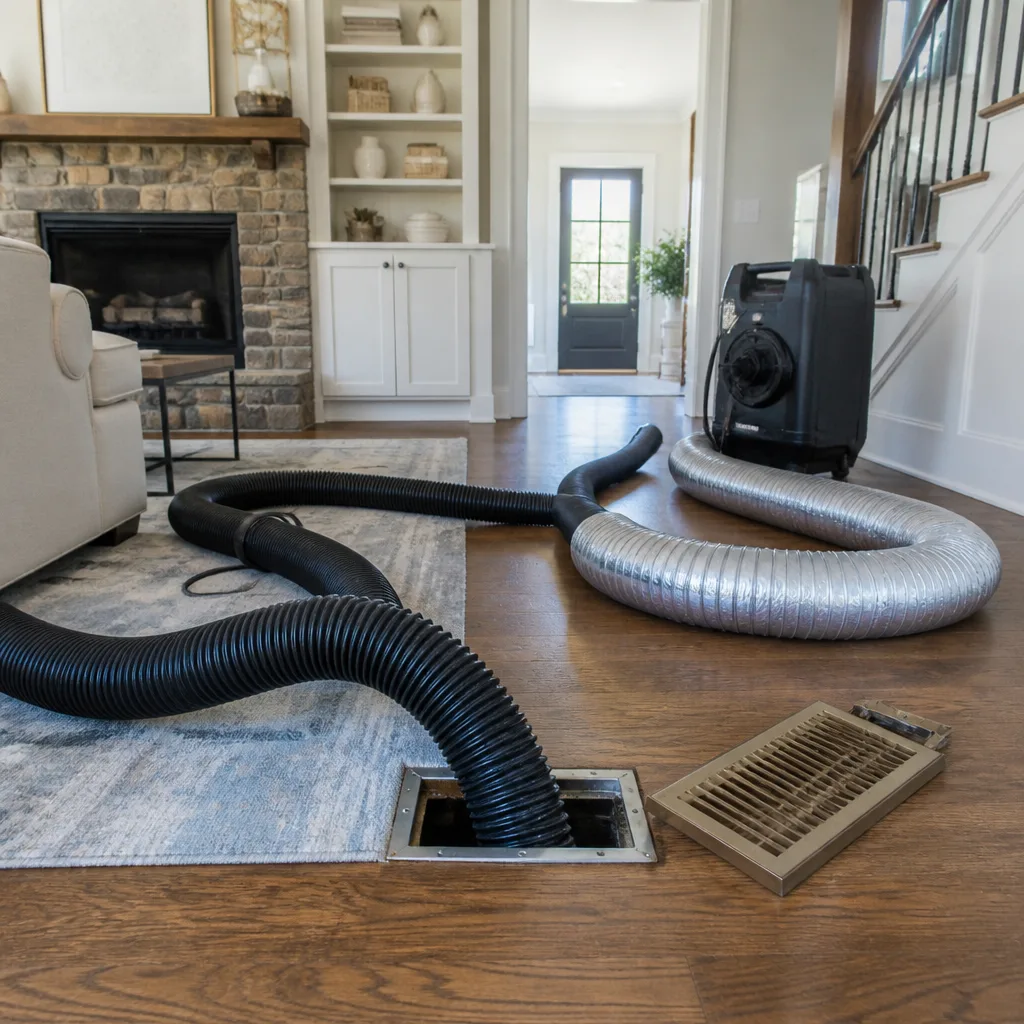 Whole-home duct cleaning
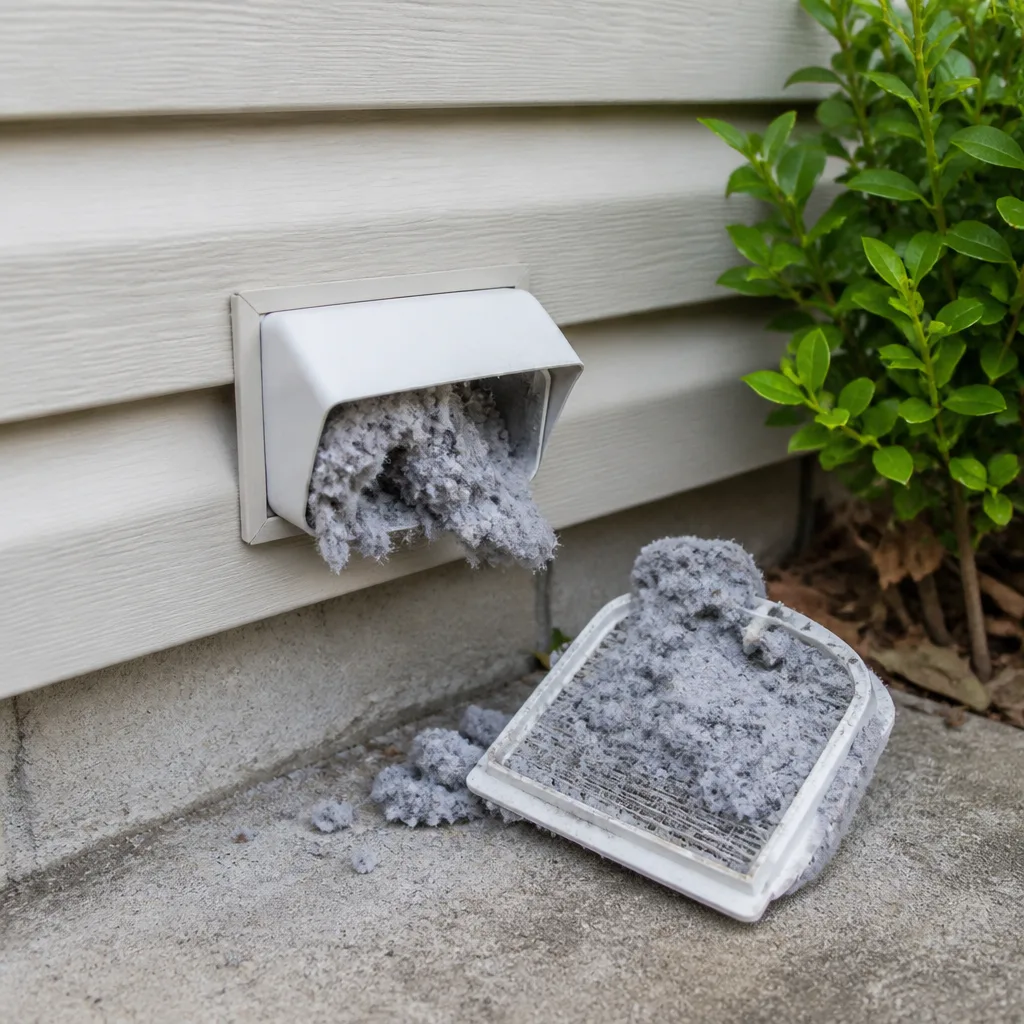 Dryer vent cleaning
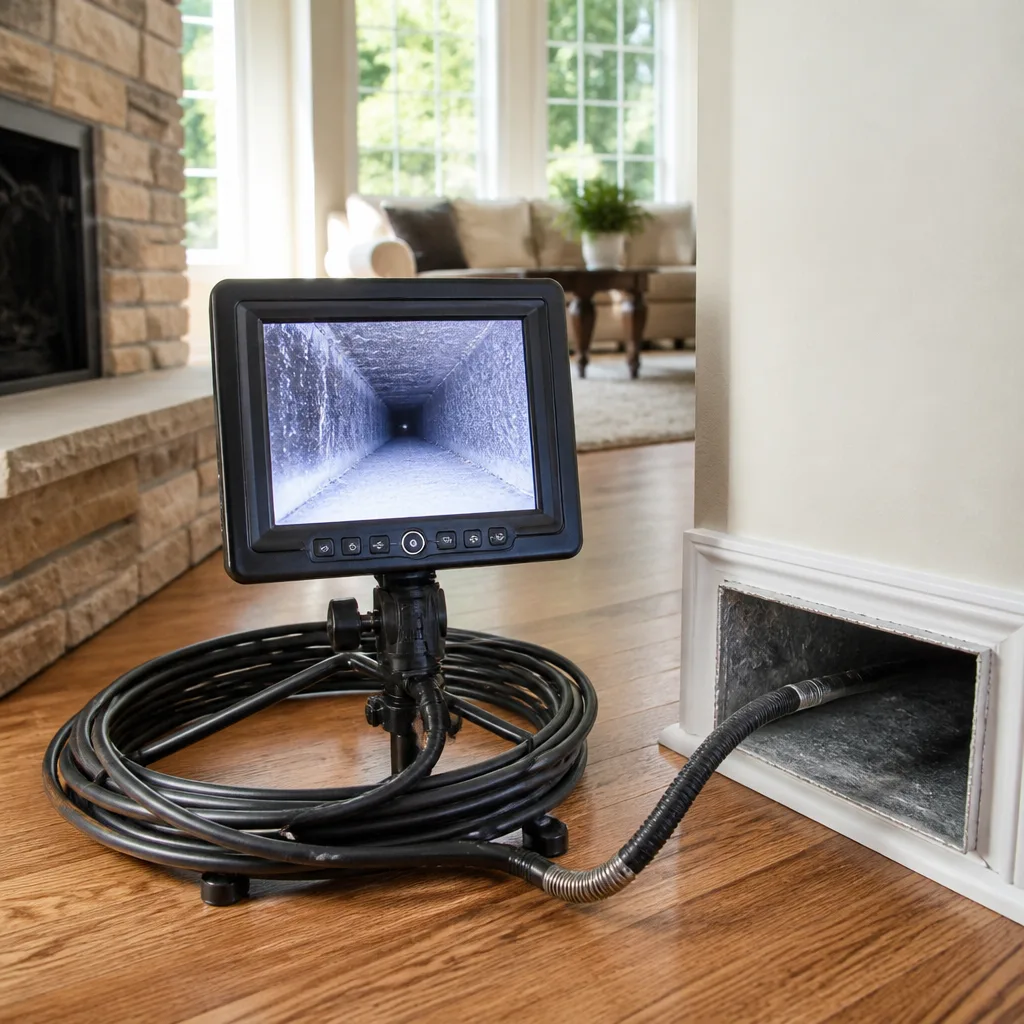 Camera inspection
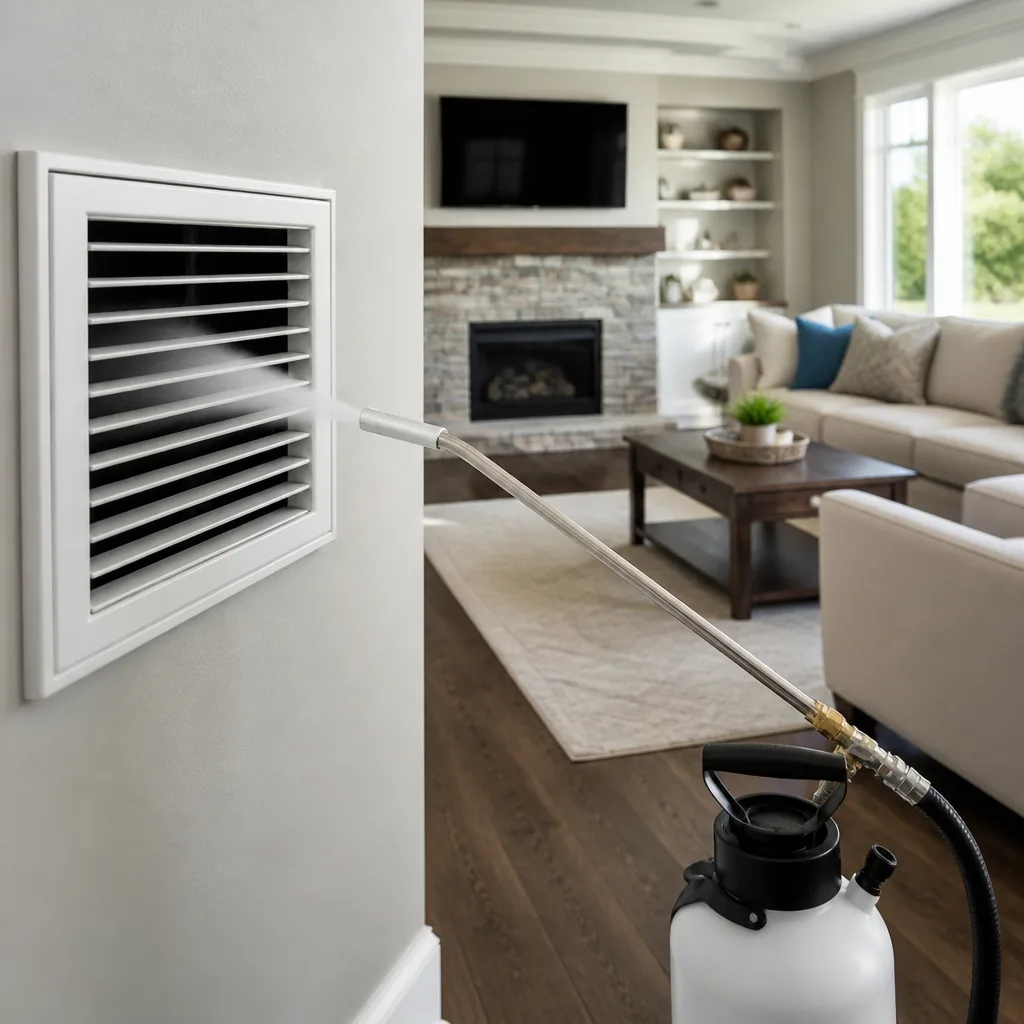 Sanitizing & deodorizing
Whole-system duct and dryer vent check with before-and-after photos - you see exactly what came out of your vents
That "$99 whole-house special" is a bait ad - the real number appears once they are in your hallway, or the "clean" is a shop-vac at the register. We photograph the inside of your ducts before and after instead.
Seasonal Air Duct Cleaning Care for Hialeah: Year-Round Homeowner’s Guide
Telling a Hialeah homeowner to “schedule duct cleaning in spring and fall” is advice written for Ohio. In Hialeah, the air conditioner is running hard by April and doesn’t let up until November, so a maintenance calendar built around four gentle seasons doesn’t fit the way homes here actually live. This guide lays out a year-round care schedule shaped around South Florida’s real climate: two seasons, not four. You’ll learn when duct cleaning and repairs make the most sense, what to check before peak humidity, how hurricane season changes your to-do list, and how often filters actually need changing in Hialeah’s particular air.
Quick Answer
In Hialeah, the best window for air duct cleaning and duct repairs is November through February, when humidity drops, attic temperatures are lower, and your system gets a natural pause before peak load. Before the June-through-September humidity peak, check supply ducts for condensation and inspect the drain pan. Filters need attention more often here than national guidance suggests, because Hialeah’s traffic, construction, and year-round landscaping add to the particulate load.
Styles & brands we work with
- Whole-home duct cleaning
- Dryer vent cleaning
- Camera inspection
- Sanitizing & deodorizing
Table of Contents
- Why Hialeah Really Has Two Seasons, Not Four
- The Best Window for Duct Cleaning: November Through February
- What to Check Before the June-September Humidity Peak
- Hurricane Season and Your Duct System
- How Often to Change Filters in Hialeah
- Month-by-Month Care Reference
- How Do You Know When Ducts Actually Need Cleaning?
- Why Equipment Matters More Than the Price Tag
Why Hialeah Really Has Two Seasons, Not Four
Most seasonal duct advice is written for a climate with a long heating season and a short cooling one. Hialeah runs the other way. The cooling season stretches roughly eight months, from spring into late fall, and the winter that follows is brief and mild. That single fact reshapes every maintenance decision you make.
When a system runs eight months straight, dust, pollen, and debris never get a long idle period to settle quietly. They keep cycling. The blower pulls air through the return, past the filter, across the evaporator coil, and out through the supply ducts into every room. Over months of continuous operation, fine particles that slip past the filter settle on duct walls, the coil face collects a film, and the whole system works a little harder to move the same air.
A home in Hialeah that runs its AC nearly year-round accumulates the same operating hours in one calendar year that a northern home might take two years to reach. That’s the core insight behind a two-season schedule:
- Cooling season (roughly April through November): full load, high humidity, constant runtime. This is when the system is most stressed and when problems surface fastest.
- Mild season (roughly December through March): lower humidity, cooler attics, reduced runtime. This is your maintenance window.
If you take one thing from this guide, make it this: treat December through March as the time to inspect, clean, and repair, and treat April through November as the time to monitor. Scheduling work in the mild months means the system enters peak load clean and sound, when it matters most. A call to air duct cleaning in that window sets you up for the hot months ahead.
The Best Window for Duct Cleaning: November Through February
November through February is the optimal stretch for air duct cleaning and duct repair in Hialeah. Three conditions line up during those months: lower outdoor humidity, cooler attic temperatures, and a natural pause before peak season load. Each one makes the work easier and the result more reliable.
Lower humidity
When the air is less humid, ducts dry faster after cleaning. In the thick of summer, a freshly cleaned duct interior can hold residual moisture longer, and moisture in a dark duct is exactly what you don’t want. Working in the drier months means the system returns to service dry and ready.
Cooler attic temperatures
Much of the duct system in a Hialeah home runs through the attic. In July, an attic can be punishingly hot, which makes any hands-on work slower and less comfortable for everyone. In the mild months, attic access is safer and the inspection is more thorough because technicians aren’t rushing against brutal heat.
A pause before peak load
Cleaning or repairing ducts in the mild season means the system goes into the hot months in its best condition. If you discover a disconnected joint or a crushed flex run during the mild season, you have time to fix it before it starts costing you comfort and efficiency in June. Find a breach in August and you’re fixing it under pressure.
Air duct repair fits the same logic. A gap, a disconnected collar, or a crushed section of flex duct lets conditioned air escape into the attic instead of reaching your rooms. That’s wasteful in any climate, but in Hialeah it means the system runs longer to compensate, and longer runtime in high humidity is a recipe for condensation problems. Repairing in the mild months closes those leaks before they matter. If you suspect a breach, our air duct cleaning visit includes a structural look at the runs, and we fix what we find.
What to Check Before the June-September Humidity Peak
Before the heaviest humidity arrives, two things deserve a close look: condensation in the supply ducts and the condition of the drain pan. Both relate to moisture, and moisture is the recurring theme of duct care in Hialeah.
Condensation in supply ducts
Supply ducts carry cold air. When the surrounding air is hot and humid, and the duct insulation is compromised, moisture can condense on cold surfaces. Over time that leads to damp duct interiors, which is where biological growth likes to start. Warning signs include musty odors when the system first kicks on, visible water stains near registers, or insulation that feels damp to the touch.
What to check, without opening anything yourself:
- Look at the registers. Any moisture, staining, or dark spotting around the edges is a flag.
- Notice smells. A musty smell at startup that fades after a few minutes often points to damp duct interiors or a dirty coil.
- Listen for dripping. Water sounds near the air handler suggest a drain or pan issue.
Drain pan condition
The drain pan sits under the evaporator coil and catches the condensate the system pulls from the air. In a climate that runs the AC eight months a year, that pan sees a lot of water. If it’s cracked, clogged, or holding standing water, the result can be overflow, water damage, and a breeding ground for growth. Before peak humidity, have the pan checked for standing water, cracks, and a clear drain line. A clean, free-flowing drain is the difference between a system that manages moisture and one that becomes a moisture problem.
Condensation control is why equipment choice matters. When we work in a home, we use Hialeah Duct Cleaning equipment like Nikro HEPA-rated negative-air machines to capture dislodged debris rather than push it back into the living space, and Abatement Technologies filtration units for situations with elevated contamination. That matters more in a humid climate, where anything left behind has the moisture it needs to grow.
Hurricane Season and Your Duct System
Hurricane season intersects with duct maintenance in ways that generic seasonal guides never mention. The season runs June through November, overlapping almost exactly with peak cooling load. That double exposure, storm risk plus heavy humidity, is unique to this part of the country.
Before a storm
Preparation is mostly about protecting the system so it isn’t overwhelmed if something goes wrong:
- Change the filter so the system starts the season breathing freely.
- Know where your return and supply registers are, so you can spot displacement afterward.
- Note any existing duct issues now, while you have time to address them.
After a storm
Post-storm debris intrusion is a real concern. Wind-driven rain, damage to the roof or soffits, and flying debris can compromise the attic and, with it, the duct system. Registers can be displaced. Insulation can be disturbed. Debris can find its way into the system through a breach.
After a storm passes, look for these signs before you run the system hard:
- Displaced or loose registers and grilles
- Visible roof or soffit damage that could open the attic to outside air
- Water staining on ceilings or around vents
- New musty odors when the system runs
If any of those show up, an inspection beats guesswork. A compromised duct system running in peak humidity is a problem that compounds. Cleaning and inspection after a storm, using equipment that captures fine debris instead of redistributing it, is the sensible response. For a property manager overseeing multiple units, this is also the moment to schedule a sweep of every system rather than wait for complaints.
How Often to Change Filters in Hialeah
National filter-change guidance assumes an average home in an average climate. Hialeah isn’t average. Between heavy traffic corridors, ongoing construction in various parts of the city, and year-round landscaping activity, the particulate load in the air here is higher than a quiet suburb’s. That means filters load up faster than the standard “every three months” advice suggests.
A more realistic approach for a Hialeah home:
- Standard 1-inch filters: check monthly, change more often than the box recommends, especially during peak cooling when the system runs constantly.
- Thicker media filters and whole-home filtration: these hold more, but they still load faster here. Check on a regular schedule and replace per the manufacturer’s guidance, adjusting for local conditions.
- Homes near construction or busy roads: the shortest end of every recommended interval.
- Homes with pets or allergy sufferers: likewise, lean toward frequent changes.
There’s a balance here. A filter that’s too restrictive can strain the blower, so choose a filter rated for your system and change it consistently rather than buying the densest option and leaving it in too long. If you’re considering an upgrade, Honeywell and Aprilaire filtration products work best when the ducts delivering that air are clean. Clean ducts plus good filtration is a system; either one alone is half the job. That’s why we work with both brands to match filtration to the duct system it serves.
Month-by-Month Care Reference
Here’s a practical calendar shaped for a Hialeah homeowner. It covers filters, visual checks, coil inspection, and when to call a professional. Think of it as a rotation, not a rigid schedule; adjust based on what you find.
December through February: The maintenance window
- Schedule professional duct cleaning and inspection. This is the mild, low-humidity window. If a repair is needed, it gets done before peak load.
- Have the evaporator coil inspected for dirt film and biological growth. A dirty coil struggles in high humidity.
- Check the drain pan and drain line for standing water, cracks, and clogs.
- Replace filters and note the date so you can track intervals.
March through May: Preparing for peak load
- Do a whole-home visual check of every register for moisture, staining, or loose grilles.
- Confirm duct connections are secure, especially in the attic, before the system runs hard.
- Check filters again and step up frequency as runtime increases.
- Address any condensation signs now, before the humid months arrive.
June through September: Peak humidity and peak monitoring
- Watch for musty odors at system startup and note whether they’re new.
- Check the drain pan periodically for standing water.
- Change filters on the shortest interval you’ve established.
- Call for an inspection if you notice moisture, stains, or odors you can’t explain.
October through November: The transition
- Do a post-season visual check of registers and the air handler area.
- Schedule cleaning or repair as you move into the mild window.
- Check the dryer vent as part of your annual safety routine.
- Plan next year’s filter schedule based on what you observed during peak load.
Run the whole rotation twice in your head and it starts to feel natural. The system has a rhythm, and your care schedule should follow it.
How Do You Know When Ducts Actually Need Cleaning?
Duct cleaning isn’t something you do on a fixed clock; it’s something you do when the evidence says it’s time. In Hialeah’s climate, the evidence tends to show up in a handful of recognizable ways. Here’s what to watch for:
- Visible debris or dust blowing from registers when the system starts.
- Musty or stale odors that appear when the air comes on and fade shortly after.
- Consistent dust buildup on surfaces even after regular cleaning.
- Allergy symptoms that seem worse indoors, especially during the humid months.
- Recent renovation or construction that generated fine dust near returns.
- Storm damage or attic intrusion that could have opened the system to debris.
- Years of operation without a documented cleaning, particularly in a home that runs the AC nearly year-round.
A professional inspection answers the question definitively. One of the things we look at is whether the contamination is at the ordinary dust level or something heavier, like mold spores or fine particulates from construction or storm intrusion. That distinction changes the equipment we bring. Regular jobs call for Rotobrush rotary-brush systems that mechanically scrub duct walls rather than just vacuum the surface, paired with Nikro HEPA-rated negative-air vacuums to capture what’s dislodged. Heavier contamination calls for Abatement Technologies air filtration units. Matching the tool to the job is what separates a real cleaning from a surface pass. If you’re unsure which category your home falls into, that’s exactly what an inspection sorts out.
Why Equipment Matters More Than the Price Tag
Duct cleaning is one of those services where the tool determines the result. A light-duty vacuum might pull loose surface dust, but it won’t scrub what’s bonded to the duct walls, and it won’t capture fine particles before they redistribute through your home. That’s the difference between a job that looks done and one that is done.
Our approach rests on contractor-grade equipment. Rotobrush rotary-brush systems physically agitate the duct walls, loosening the debris that accumulates over months of constant operation. Nikro HEPA-rated negative-air machines hold the system under negative pressure so dislodged material is captured, not pushed into living spaces. For elevated contamination, Abatement Technologies air filtration units handle situations that go beyond routine dust. Alongside cleaning, we handle structural repair so a gap or breach found mid-job gets fixed on the spot, not pushed to a second appointment. And our dryer vent cleaning addresses one of the leading causes of residential fires, a safety outcome that has nothing to do with appearance.
When you compare quotes, ask what equipment will be used and whether the ducts will be put under negative pressure. The answers tell you more than the price does. A low number with a shop vacuum in the truck isn’t the same service as rotary-brush scrubbing with HEPA capture. Guardsman supports cleanable filtration systems too, and matching the right approach to the right duct configuration is part of what we assess before any work starts.
Common Mistakes to Avoid
- Following a northern seasonal calendar. Spring-and-fall advice doesn’t fit a place where the AC runs eight months out of the year. Build your schedule around the actual cooling season.
- Cleaning in peak humidity. Scheduling duct cleaning in July or August means moisture lingers longer in the system. The mild months are better for the same reason.
- Ignoring the drain pan until it overflows. The pan and drain line deserve a check before peak humidity every year. Small problems here become water damage fast in this climate.
- Stretching filter changes to the national average. Hialeah’s traffic, construction, and landscaping load means filters here need attention more often than a typical suburb’s.
- Skipping the post-storm inspection. A displaced register or roof breach after a storm can let debris into the system. Check before running it hard again.
- Forgetting the dryer vent. It’s easy to treat duct care as an HVAC-only concern, but the dryer vent is a fire-safety item and belongs on the same annual routine.
- Choosing a quote on price alone. Ask about equipment and negative pressure. A surface vacuum and a rotary-brush HEPA job aren’t the same service at different prices.
See the difference
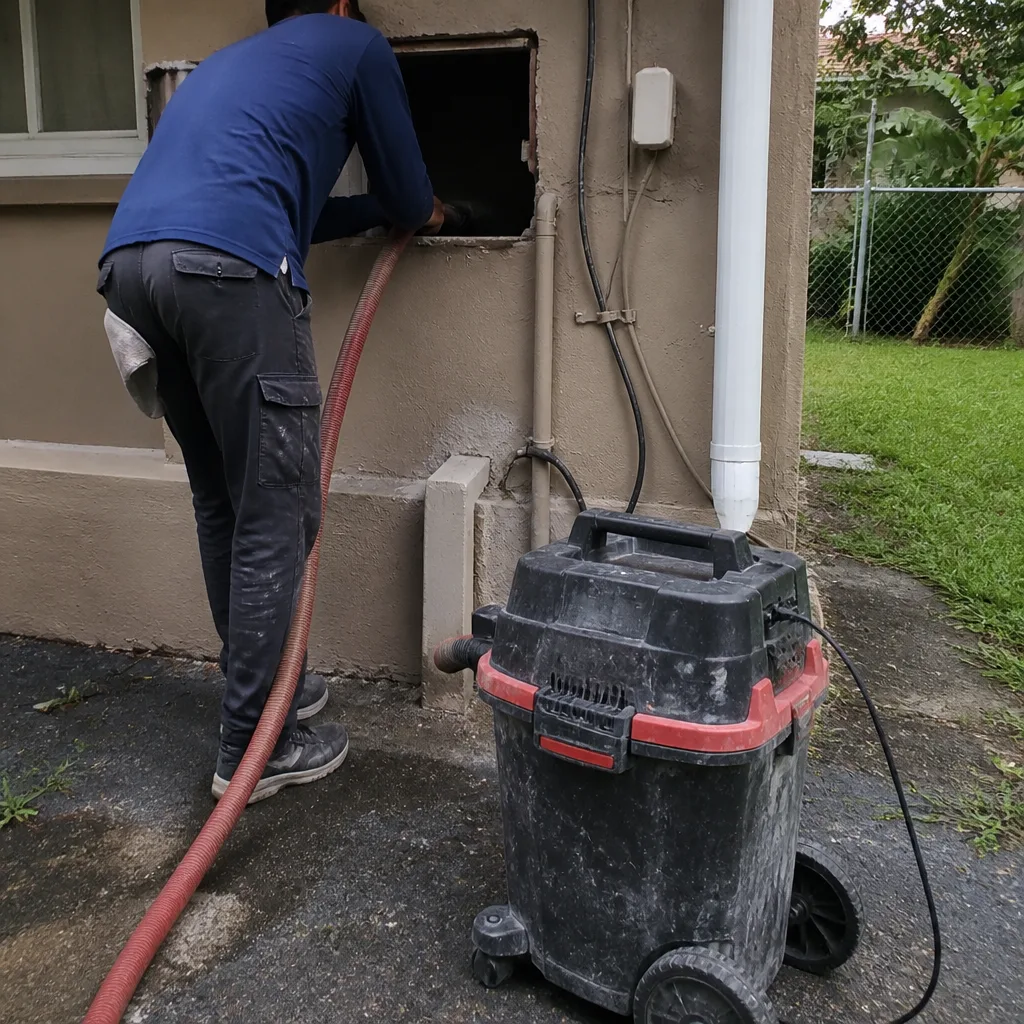 Before
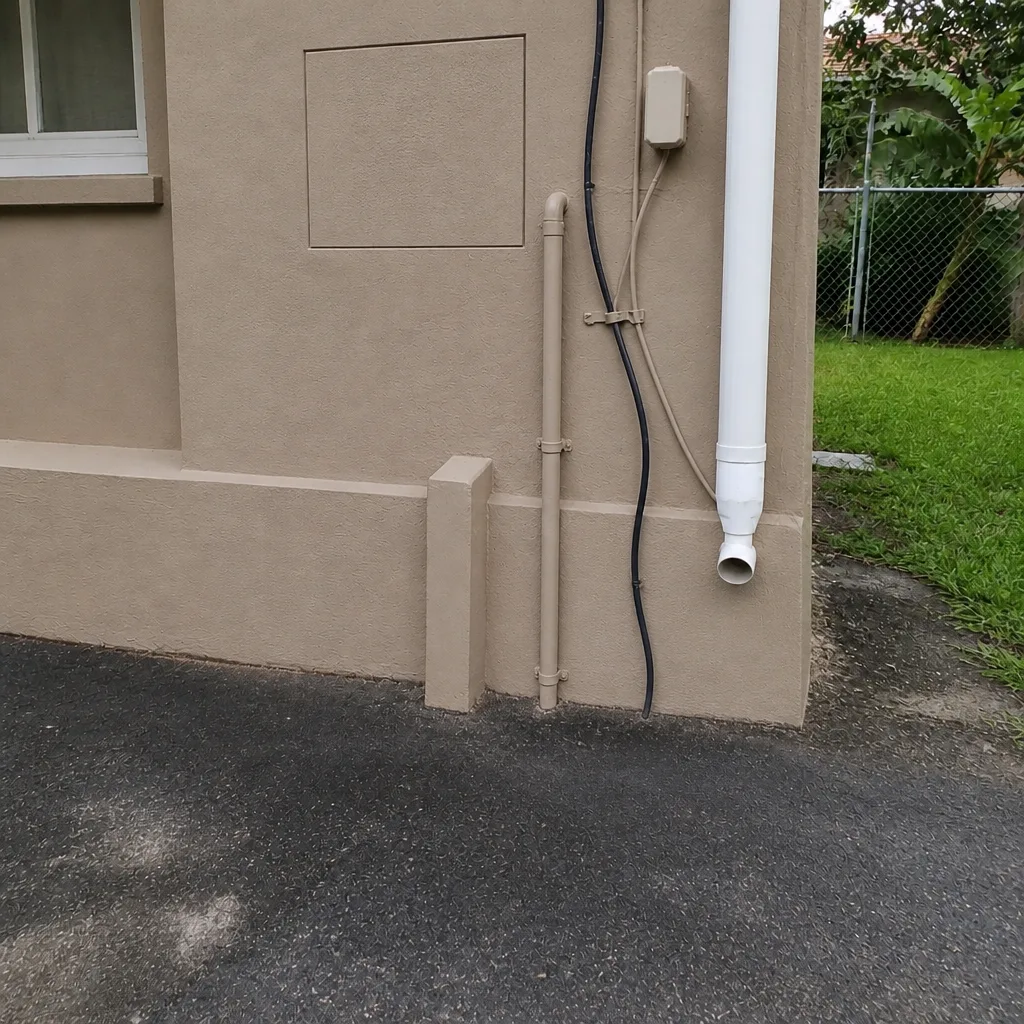 After
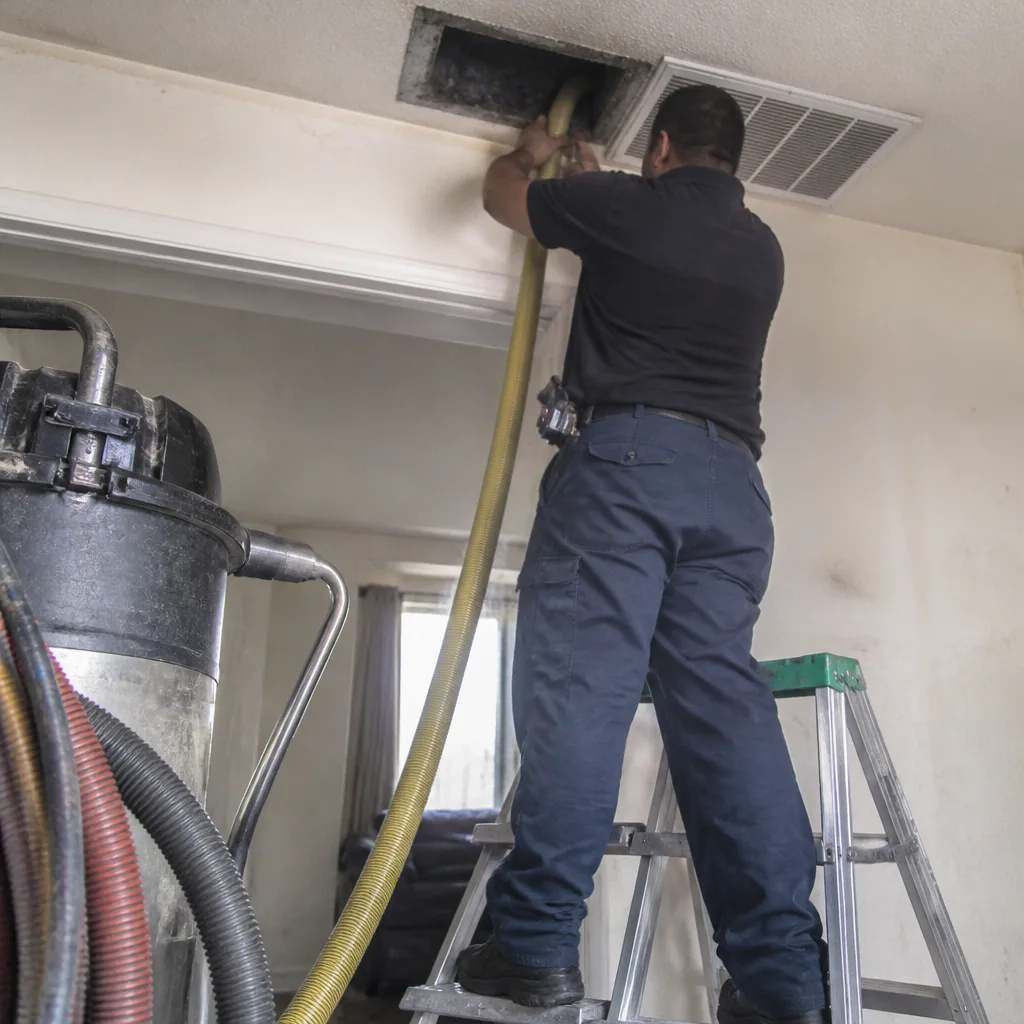 Before
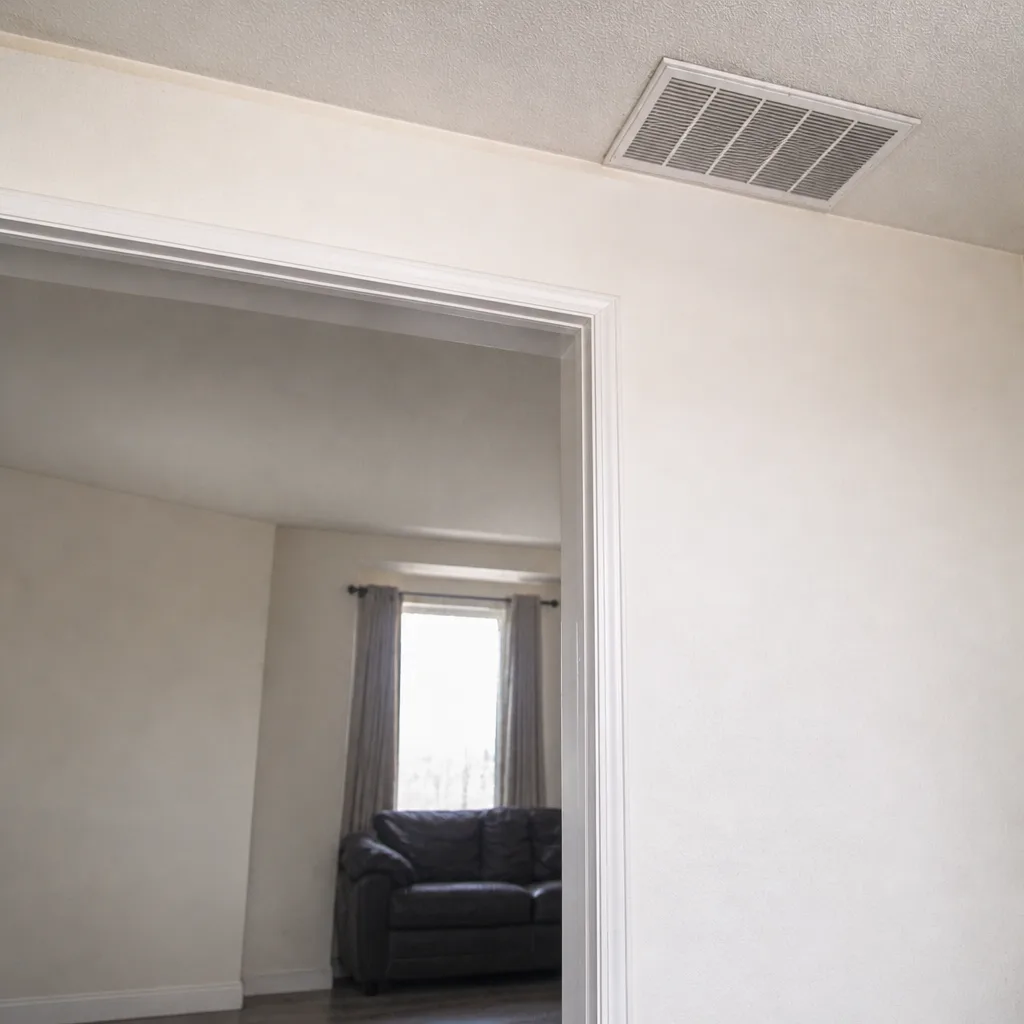 After
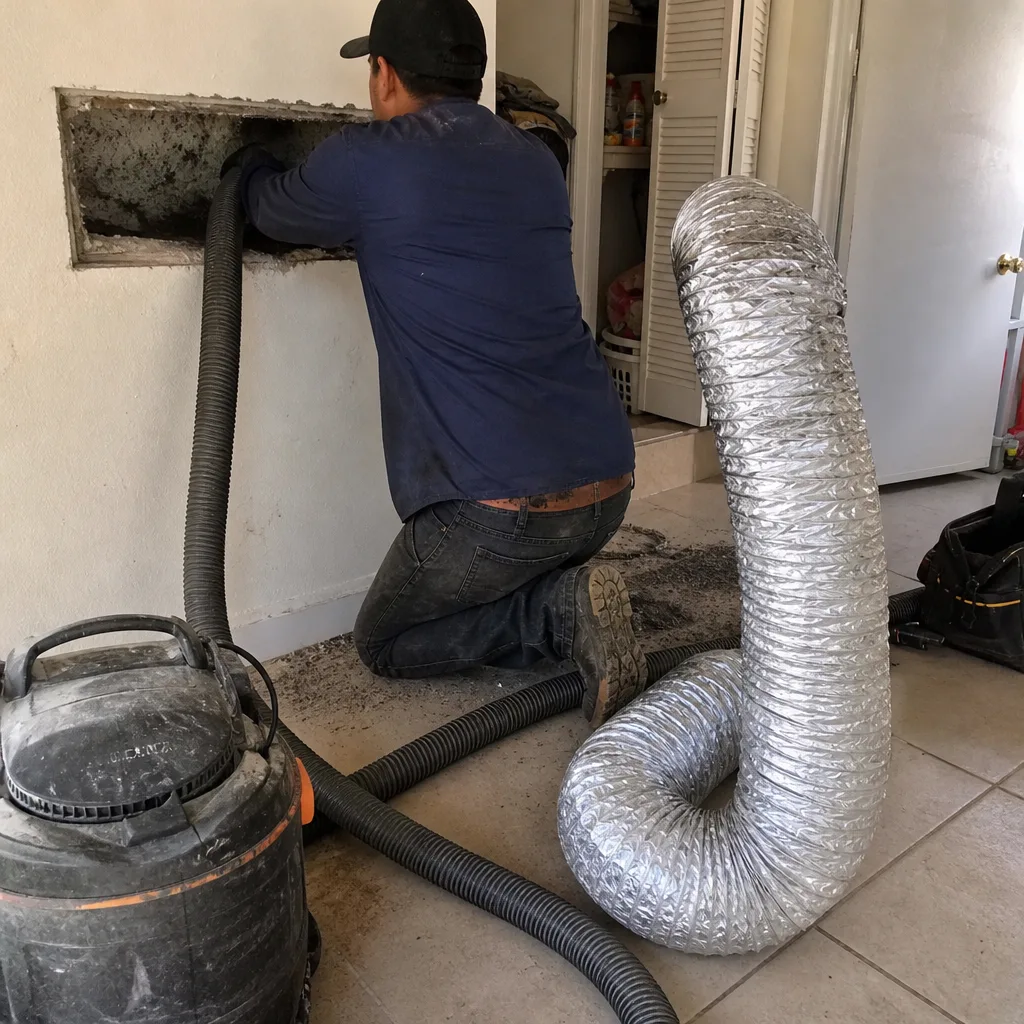 Before
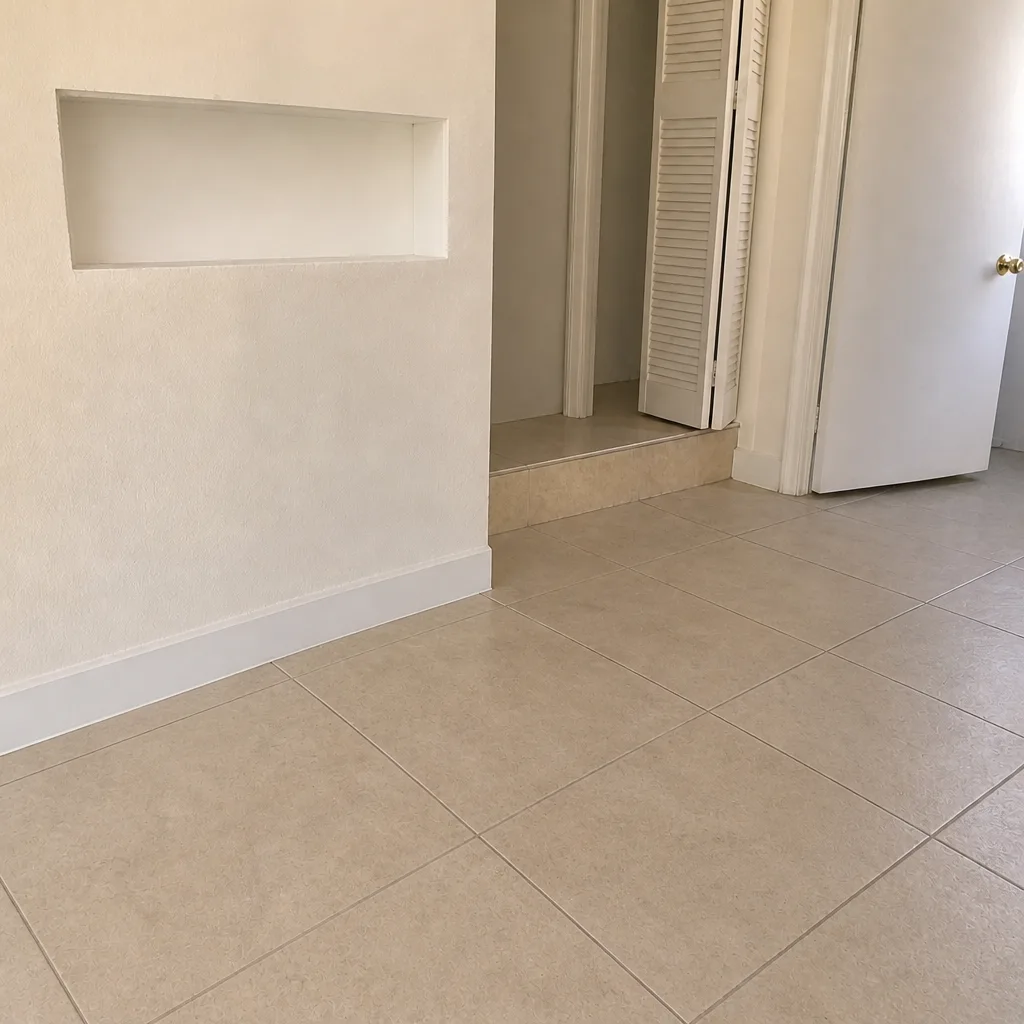 After
When to Call a Professional
Some checks you can do yourself: look at registers, notice odors, track filter dates. But certain situations call for a trained technician. If you see moisture or staining around registers, smell mustiness when the system starts, find disturbed insulation or debris after a storm, or simply can’t remember the last time the ducts were cleaned, it’s time to have it looked at properly. The same goes for any suspected duct breach: a disconnected joint or crushed run isn’t a do-it-yourself fix, and chasing it yourself can make things worse. Hialeah Duct Cleaning offers free estimates in Hialeah, and we’ll tell you plainly whether cleaning, repair, or a dryer vent service is what your home needs. Call (888) 831-4689. We answer 24/7. Fast dispatch from 7am to 7pm, Sunday through Friday.
Frequently Asked Questions
November through February is the best window for duct cleaning in Hialeah. Humidity is lower, attic temperatures are cooler, and the system gets a natural pause before peak load. Scheduling in that window means the system enters the hot months clean and sound, which matters when it runs nearly year-round. Call (888) 831-4689 for an exact quote; estimates are free.
More often than the national “every three months” guidance suggests, because Hialeah’s traffic, construction, and year-round landscaping add to the particulate load. Check monthly and lean toward frequent changes, especially during peak cooling season. Homes near busy roads, construction, or with pets should stay on the shortest interval. Call (888) 831-4689 for an exact quote; estimates are free.
If the storm damaged your roof or soffits, displaced registers, or pushed debris into the attic, an inspection is worthwhile before running the system hard. Post-storm intrusion is a real concern because a breach lets outside air and debris into the ducts. An inspection sorts out whether cleaning is needed. Call (888) 831-4689 for an exact quote; estimates are free.
Pricing is per system by written estimate, agreed before any work starts, and the estimate itself is free. We don’t quote per-vent prices or teaser figures, because those numbers rarely hold once the technician is on site. Call (888) 831-4689 for an exact quote; estimates are free.
It’s driven by evidence, not a fixed clock: visible debris blowing from registers, musty odors at startup, consistent dust, post-renovation buildup, or storm intrusion. In Hialeah’s climate, where the system runs eight months or more, homes accumulate operating hours fast. An inspection tells you whether it’s time. Call (888) 831-4689 for an exact quote; estimates are free.
Usually because the equipment is lighter: a surface vacuum instead of rotary-brush scrubbing, and no HEPA negative-air capture to hold dislodged debris. Ask what equipment will be used and whether the ducts will be put under negative pressure. The answers tell you what kind of job it really is. Call (888) 831-4689 for an exact quote; estimates are free.
The Bottom Line
Hialeah doesn’t run on four seasons, so your duct care shouldn’t either. The system runs hard for roughly eight months, which means maintenance belongs in the mild window: November through February, when humidity drops and attics cool. Before the June-to-September humidity peak, check supply ducts for condensation and the drain pan for standing water. Hurricane season adds a post-storm inspection to the routine. Filters here need changing more often than national advice suggests, because the local particulate load is heavier. Build your calendar around the cooling season, watch the moisture signs, and call a professional when the evidence says it’s time. For Hialeah homeowners and property managers, a quick call is the simplest place to start, and dryer vent cleaning belongs on the same annual list.
Call (888) 831-4689 for a free estimate. We answer 24/7. Fast dispatch from 7am to 7pm, Sunday through Friday.
Written by the team at Hialeah Duct Cleaning.