
Last updated November 15, 2026
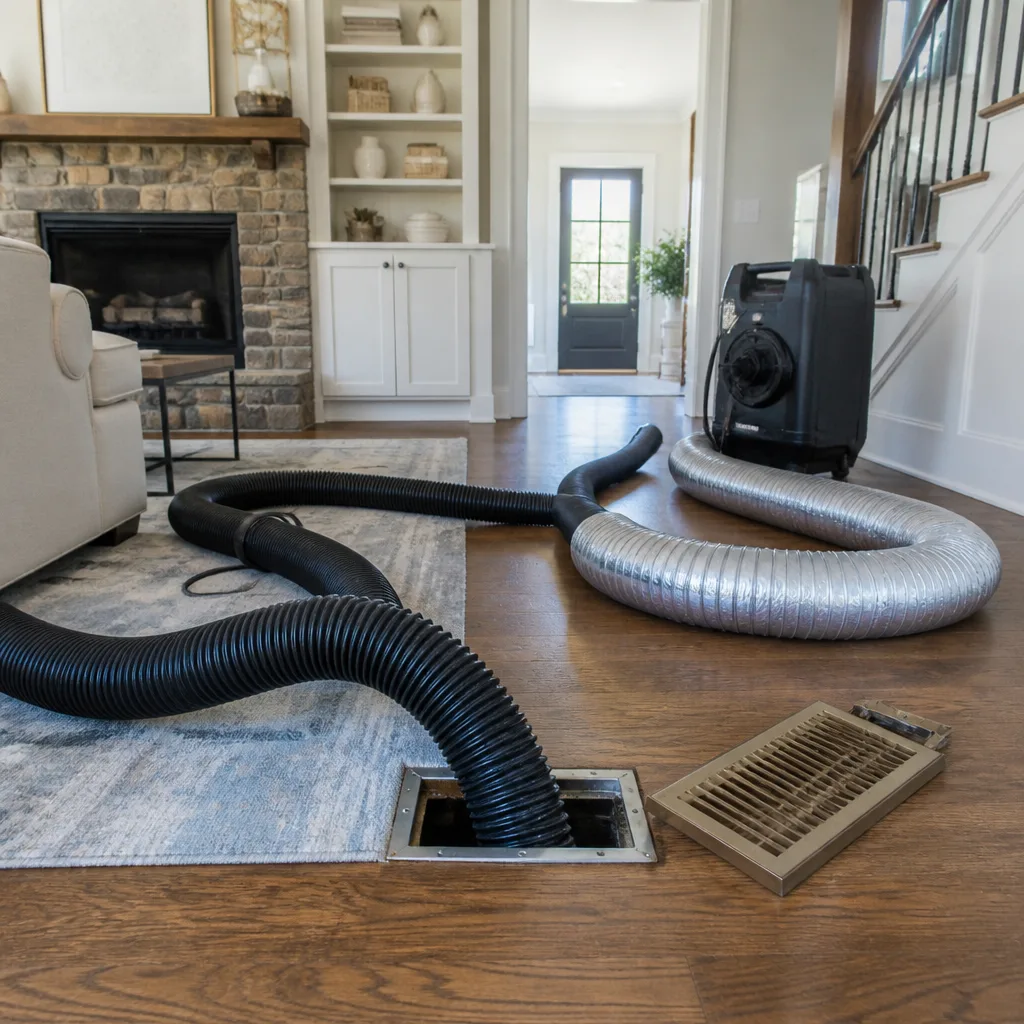 Whole-home duct cleaning
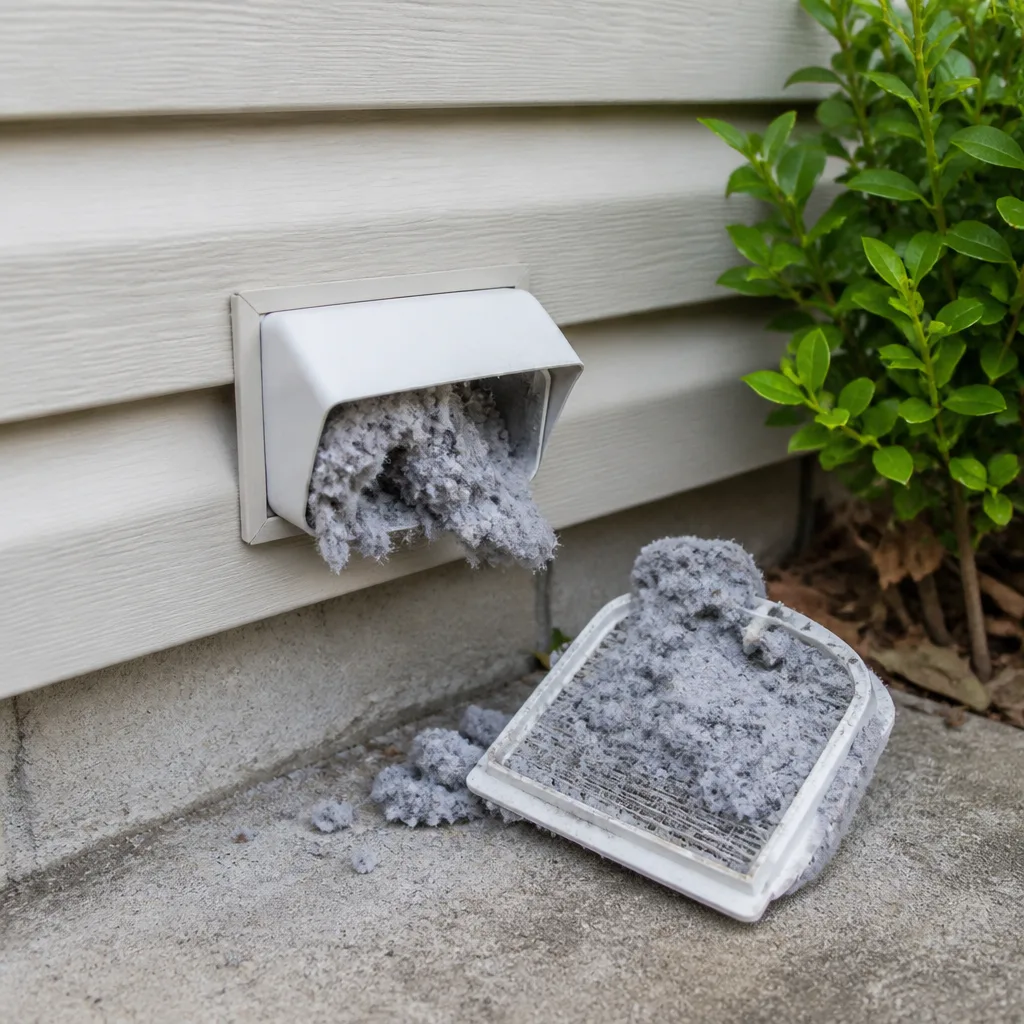 Dryer vent cleaning
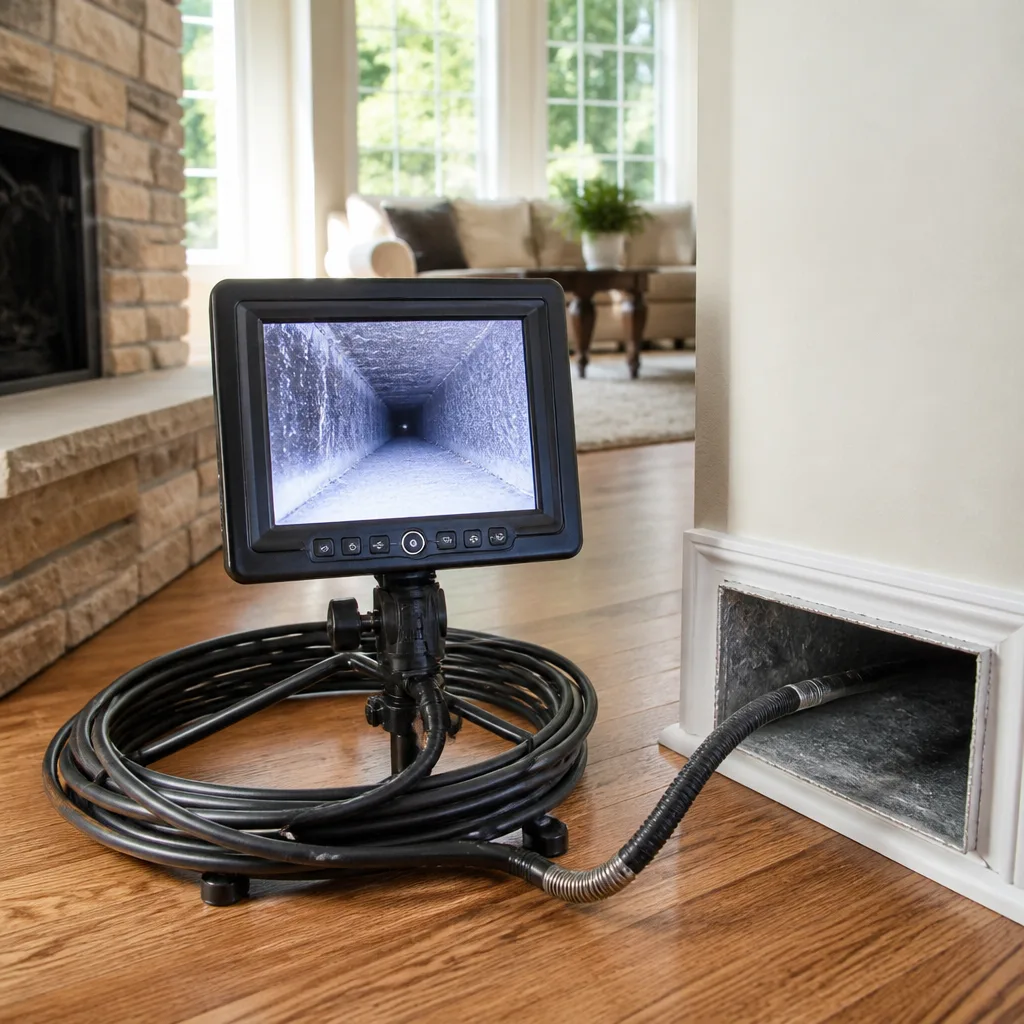 Camera inspection
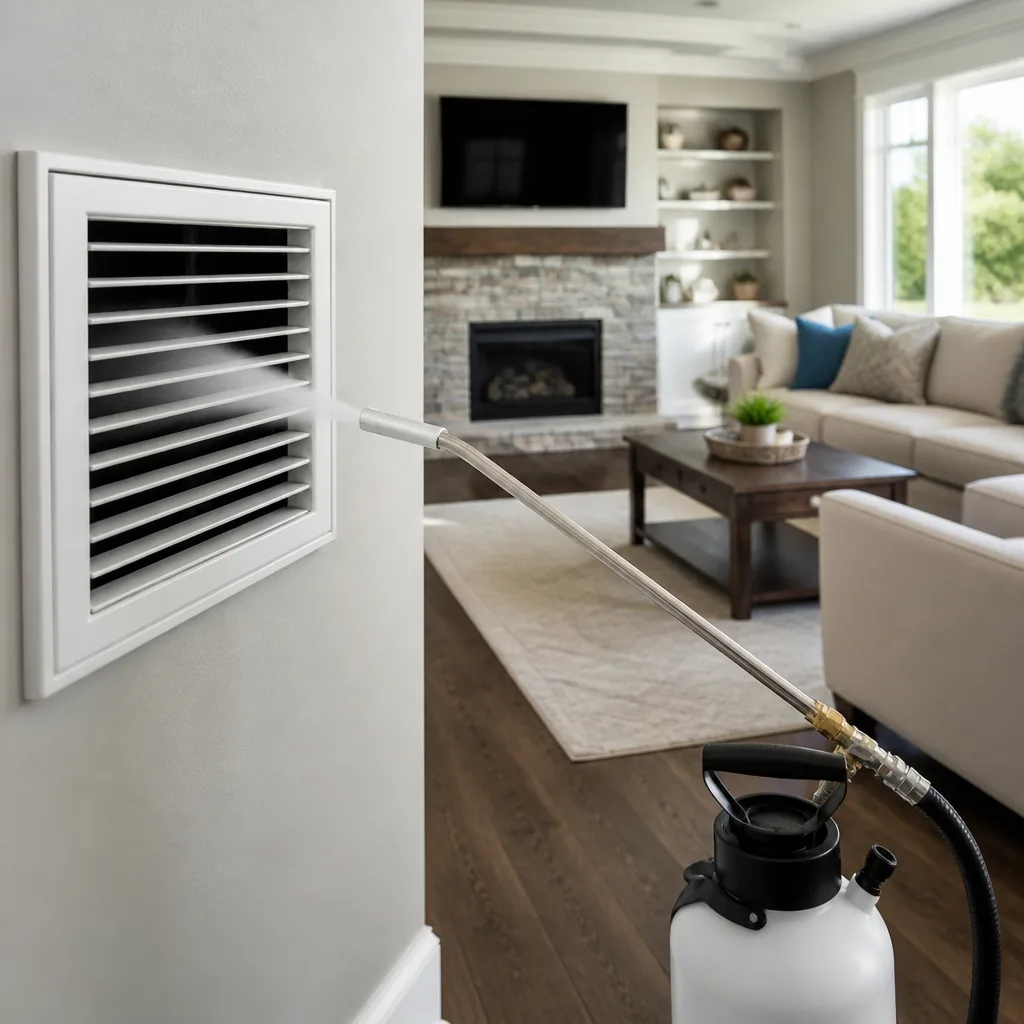 Sanitizing & deodorizing
Whole-system duct and dryer vent check with before-and-after photos - you see exactly what came out of your vents
That "$99 whole-house special" is a bait ad - the real number appears once they are in your hallway, or the "clean" is a shop-vac at the register. We photograph the inside of your ducts before and after instead.
How to Hire an Air Duct Cleaning Contractor in Hialeah: A Step-by-Step Guide
If a contractor quotes you $89 for whole-house duct cleaning in Hialeah, they’re not cleaning your ducts. They’re running a portable blower through your vents and billing you for the theater of it. That number tells you almost nothing about what happens inside your system, and it’s a reliable sign that the equipment on the truck can’t do the job your home actually needs. Hialeah’s HVAC market is full of generalist handymen and carpet-cleaning companies that added duct cleaning as an upsell, often with shop-vac-grade portables that stir debris into your living space instead of pulling it out. This guide gives you a concrete vetting framework built on equipment, process, and verifiable credentials, so you can tell a specialist from an opportunist before anyone arrives.
Styles & brands we work with
- Whole-home duct cleaning
- Dryer vent cleaning
- Camera inspection
- Sanitizing & deodorizing
Quick Answer
To hire an air duct cleaning contractor in Hialeah, verify three things before you book: the contractor’s Florida license status through the DBPR database, the specific equipment they’ll bring (rotary-brush systems and HEPA-rated negative-air machines, not portable blowers), and a written scope that lists vent counts, access points, and what “clean” means in measurable terms. Ask for before-and-after camera documentation and a flat price agreed before work starts. If any of those answers are vague, walk away.
Table of Contents
- Why Hialeah’s Duct Cleaning Market Is Hard to Read
- The Equipment Questions to Ask Before You Book
- How to Verify a Florida HVAC Contractor License
- Red Flags in a Duct Cleaning Quote
- What a Legitimate Job Scope Looks Like in Writing
- How to Evaluate Before-and-After Documentation
- The Step-by-Step Hiring Process
- Common Mistakes to Avoid
- When to Call a Professional
- Frequently Asked Questions
- The Bottom Line
Why Hialeah’s Duct Cleaning Market Is Hard to Read
Hialeah is a dense, older residential city. Much of the housing stock was built decades ago, and a large share of homes have had HVAC systems replaced, expanded, or retrofitted more than once. That matters for duct work. When a system is modified over the years, duct runs get spliced, sealed with tape that dries out, and routed through attics that reach punishing temperatures in summer. The result is a housing stock where duct systems vary enormously from one block to the next. A one-size-fits-all cleaning price simply doesn’t map to what’s behind your walls.
That variability is exactly what discount operators exploit. The market splits into three rough tiers:
- True duct cleaning specialists who invest in contractor-grade rotary-brush systems and HEPA negative-air equipment, and who price per system after seeing the layout.
- Generalist handymen who own a portable vacuum and offer duct cleaning as an add-on between other jobs.
- Carpet and upholstery cleaners who bundle a “duct cleaning” line item into a whole-home package, usually with light-duty portables.
The equipment gap between tier one and tiers two and three is enormous, and it’s rarely visible in advertising. A truck-mounted carpet cleaning unit and a shop-vac look similar in a photo. They behave very differently inside a 20-foot supply run. In our experience, the single best predictor of a good outcome isn’t the review count or the ad, it’s the specific machinery a contractor names and can explain. That’s why the first section of this guide is about tools, not price.
If you want a baseline on what professional air duct cleaning is supposed to involve, read that before you start calling. Then use the framework below to screen every quote you collect in Hialeah.
The Equipment Questions to Ask Before You Book
Ask what equipment will be used, and listen for three names: Rotobrush, Nikro, and Abatement Technologies. Those three are the clearest signals that a contractor is equipped for real mechanical cleaning rather than surface vacuuming. Here’s what each one tells you.
Rotobrush rotary-brush systems
Rotobrush is the industry standard for mechanical duct cleaning. The system feeds a rotating brush through the duct run and physically scrubs the interior walls while a vacuum pulls dislodged debris away. This distinction matters. Dust and debris adhere to duct walls, and a vacuum alone won’t break that bond. Brushing does. If a contractor says “we vacuum the ducts,” ask whether they brush them. The answer separates surface cleaning from actual cleaning.
Nikro HEPA negative-air vacuums
Nikro HEPA-rated negative-air machines capture the debris that gets dislodged. Negative pressure is the principle: the vacuum maintains lower pressure inside the duct system than in the room, so anything set loose gets pulled toward the collection point rather than into your living space. Without negative pressure, cleaning a duct system can make the air in your home temporarily worse. Ask directly: “How do you maintain negative pressure during the job?” A contractor who can answer that question in specific terms knows their equipment. A contractor who can’t answer it is guessing.
Abatement Technologies filtration
Abatement Technologies air filtration equipment signals something beyond routine dust removal. It’s the kind of gear used when contamination levels are elevated, whether that’s fine particulates or mold spores. For most homes it may not be needed. For homes with visible buildup, water damage history, or occupants with respiratory sensitivity, it’s the difference between a cleaning and a containment job. Asking whether a contractor owns Abatement Technologies units tells you whether they can scale up when a situation calls for it.
A contractor who can name their rotary-brush system, their HEPA vacuum, and their containment approach is giving you verifiable answers. A contractor who replies “we use professional equipment” without naming it is telling you the equipment isn’t worth naming. That’s your cue to keep dialing.
How to Verify a Florida HVAC Contractor License
In Florida, duct cleaning work that touches the mechanical system falls under the scope of a licensed HVAC contractor. Verify any contractor you’re considering through the Florida Department of Business and Professional Regulation (DBPR) license lookup, which you can search online by name or license number. The database is free, public, and quick. It tells you whether the license is active, current, and held by the business you’re actually hiring rather than a name on a subcontract.
Why does this matter for a homeowner? An unlicensed operator creates liability that lands on you. If something goes wrong, whether that’s damage to ductwork or an injury on the job, an unlicensed contractor’s insurance situation is often nonexistent, which means the claim can come back to your homeowners policy or your pocket. Licensed contractors carry insurance and a bond precisely to cover that exposure. Asking for proof of both takes two minutes and protects you for years.
Our own guidance on Hialeah home services is simple: verify first, then book. Here’s the check to run:
- Search the DBPR license lookup by the company name and by the individual name the contractor gives you.
- Confirm the license is active and the business name matches the quote and any contract you’re asked to sign.
- Ask for a certificate of insurance and confirm it names the correct business entity.
- Ask for the license number in writing, and compare it against the database record yourself.
If a contractor hesitates on any of these steps, that hesitation is information. A legitimate contractor expects the question and has the paperwork ready. Hialeah homeowners who skip this step are the ones most vulnerable to fly-by-night operators who rebrand after a bad season.
Red Flags in a Duct Cleaning Quote
A quote is a document. Read it the way you’d read a contract, because it is one. Here are the specific red flags that should stop the conversation.
Flat-rate pricing that ignores your home
A flat rate with no questions about square footage, vent count, or duct configuration isn’t a price, it’s a guess. Two homes of identical square footage can have wildly different duct systems, especially in older Hialeah neighborhoods where additions and retrofits are common. A legitimate contractor asks about vent count and layout before quoting, or explicitly quotes after inspection.
Upsells pushed before inspection
If a salesperson pushes sealant, sanitizer, or “ion treatments” before anyone has looked inside your ducts, they’re selling products, not service. Cleaning should be scoped to what the ducts actually need, and that requires seeing them first.
No mention of negative pressure
Any contractor who doesn’t mention negative pressure containment is either unaware of the principle or unequipped to apply it. Either way, you’re at risk of having your home’s air fouled during the job.
No written scope
A verbal quote with no written scope is not a quote. You need vent counts, access points, equipment listed, and a definition of clean in writing before the job starts.
No documentation offer
Ask whether you’ll receive photos or camera footage of the before and after. A contractor confident in their work has no reason to withhold this.
Same price, no questions, no follow-up
An instant quote with zero questions about your home is the fastest sign of a formula operation. Real specialists want to know what they’re walking into.
What a Legitimate Job Scope Looks Like in Writing
A written scope is your protection. It should be specific enough that you could hand it to a different contractor and they’d know exactly what was done. Here’s what to look for.
Vent counts and duct counts
The scope should list the number of supply vents and return vents being cleaned. If your home has 18 supply vents and the quote lists 10, either the price reflects the smaller number or the scope is wrong. Get it in writing either way.
Access points
Every duct run needs an access point to be cleaned properly. The scope should identify how the contractor will access the system, whether through existing registers, existing access panels, or new access points cut and sealed during the job. Ask whether new access points will be left in place or closed up.
Equipment list
The scope should name the equipment: rotary-brush system, HEPA vacuum, containment equipment if applicable. Naming the machinery is the contractor’s way of standing behind it.
What “clean” means
This is the part most quotes skip. Cleaning a duct system doesn’t mean the walls gleam. It means the system is visibly free of loose debris and settled contamination, the blower and coil are clean, and surfaces that were previously coated are now exposed. Ask the contractor to define clean in measurable terms before the job, and then verify against it after.
Repair policy
Ask what happens if the cleaning reveals a breach, a disconnected run, or a crushed section. A good contractor can fix it in the same visit rather than requiring a second vendor. Our Hialeah Duct Cleaning team handles both cleaning and structural repair for that reason: it eliminates the second appointment and the second invoice. If a contractor can’t repair what they find, you’ll want to know that before the job begins, not after the ducts are open.
Price agreement
The price is set per system by the written estimate. Any figure that changes after work starts, absent a documented discovery you approve in advance, is a red flag. One flat price per system agreed before work begins is the standard to insist on.
How to Evaluate Before-and-After Documentation
Photographic proof is now standard for legitimate duct cleaning contractors, and it’s your best tool for verifying work quality. Here’s how to evaluate what you’re shown.
Before-and-after camera footage
Fiber-optic or camera inspection footage taken inside the duct runs on the day of the job is the gold standard. Ask the contractor to record the before footage on your system and show you the matching after footage at the same access point. If they can’t produce paired footage, ask for still photos at the same register with the same lighting. A real specialist has nothing to hide and no reason to refuse this.
Before and after, same location
A “before” photo at one vent and an “after” photo at another proves nothing. Insist on paired shots at the same access point.
Coverage of the system
Ask how many access points were documented. A contractor who shows two photos for a 20-vent system hasn’t documented the work. Ask for documentation across the system, not a representative sample.
Video over stills
Video is harder to stage and shows the walls in motion. If the contractor brings a camera, ask to see the footage rather than a photo album. Our team leaves customers with photos of their own ducts so they can see the change for themselves rather than take our word for it.
Some contractors will offer a summary report with documented access points and observations. Ask for it. A report you can refer back to is the clearest evidence the work was actually performed.
The Step-by-Step Hiring Process
Here’s the sequence we recommend, from first call to final walkthrough. It’s the same order we’d use ourselves.
Step 1: Confirm the service is in scope
Before you go deep, confirm the contractor does the work you need. If you suspect a duct issue and also want your dryer vent cleared, start with a contractor who handles both. Our dryer vent cleaning and duct cleaning services are handled by the same team so you’re not coordinating two vendors. A contractor who only cleans ducts may not be able to help if the inspection turns up a repair need.
Step 2: Verify licensing and insurance
Run the DBPR check and confirm insurance and bond. Do this before the call, not after. It filters out the operators you don’t want to spend time on.
Step 3: Ask the equipment questions
Ask directly: “What rotary-brush system do you use? What HEPA negative-air vacuum? Do you use Abatement Technologies filtration when needed?” Listen for specific names and specific explanations. Vague answers end the call.
Step 4: Request a written scope
Ask for a written scope with vent counts, access points, equipment list, and definition of clean. Get it before pricing is discussed.
Step 5: Get the price in writing
The estimate should be free, per system, and unconditional on a sales pitch. Insist that the estimate is the final price unless documented additional work is approved by you in advance.
Step 6: Confirm documentation policy
Ask how the before-and-after documentation will be delivered. Video, stills at each access point, or a written report. A contractor who hesitates here isn’t confident in their work.
Step 7: Walk through the results
After the job, walk the system with the contractor. Compare the before-and-after documentation at each access point. If something looks off, ask. A real specialist will explain what was found and what was done.
If a contractor offers to bundle in Honeywell or Aprilaire filtration upgrades, that’s fine, but it should come after the cleaning scope is agreed, not before. Filtration works best when the ducts delivering that air are clean. That’s the principle behind the recommendation, not the upsell.
Common Mistakes to Avoid
- Booking on price alone. A low quote that doesn’t mention square footage, vent count, or equipment is a signal that the work will be surface-level. The number is not the point; the process is.
- Assuming the license is in order. Homeowners in Hialeah often skip the DBPR check because the contractor “seems legitimate.” An unlicensed operator leaves the liability with you if damage or injury occurs.
- Accepting a verbal scope. Without vent counts in writing, you can’t compare competing quotes or verify the work was completed. Get it in writing every time.
- Skipping documentation. If you don’t ask for before-and-after photos or camera footage, you have no way to verify the job. Ask before booking, not after.
- Booking a “duct cleaning” add-on from a carpet cleaner. Carpet cleaning rigs and shop-vac-grade portables don’t achieve the negative pressure or mechanical agitation needed for real duct cleaning. This is the most common mistake in the Hialeah market.
- Letting a contractor start before discussing repair policy. If a duct run needs patching, you don’t want to discover after the cleaning that your contractor can’t do the repair and you need a second crew.
- Buying filtration upgrades before cleaning. A Honeywell or Aprilaire filter system is only as effective as the ducts delivering air to it. Sequence cleaning first, upgrades second.
When to Call a Professional
Not every home needs duct cleaning, but specific signs say you should get a professional inspection. Call a specialist if you notice visible dust trails around register edges, a persistent musty smell when the HVAC first kicks on, recent water intrusion or mold growth near the system, or occupants with respiratory symptoms that worsen when the system is running. If your home has been remodeled and drywall dust was likely pulled into the returns, that’s a clear trigger. Pets and children in the home make the case stronger, because fine particulates matter more to sensitive occupants.
Dryer vents are a separate but equally important call. A clogged dryer vent is a fire hazard and shortens dryer life. If your clothes take longer than usual to dry, if the outside flap doesn’t open when the dryer runs, or if you’ve never had the vent inspected, book a professional look. Hialeah Duct Cleaning offers free estimates in Hialeah. Call (888) 831-4689. We answer 24/7. Fast dispatch from 7am to 7pm, Sunday through Friday. Our technicians have up to 9 years of experience, and we use contractor-grade Rotobrush and Nikro equipment so the work is done right rather than just done fast.
Frequently Asked Questions
There’s no honest per-vent price, and any contractor who quotes one without seeing your home is guessing. In Hialeah, the price depends on the number of supply and return vents, the duct configuration, and whether any repairs are needed. The estimate is free, per system, and set by the written scope before work begins. Call (888) 831-4689 for an exact quote and a written scope.
Low quotes usually reflect light-duty equipment and surface-level work. A contractor who brings a shop-vac-grade portable and no negative pressure setup can work quickly because they aren’t actually removing settled debris from duct walls. Real cleaning requires a rotary-brush system to break adhesion and HEPA-rated negative-air equipment to contain the debris. That’s a labor and equipment commitment which a $89 quote can’t cover. Ask what equipment they’ll use before you compare price.
Ask for before-and-after camera footage or paired photos at the same access points on your system. A contractor confident in their work will document it as standard. If you’re not offered documentation, ask for it before the job begins. Our team documents with photos of your own ducts so you can see the change yourself.
Search the Florida DBPR license database online by the company name or license number. Confirm the license is active and matches the business name on your quote. Ask for a certificate of insurance and verify it names the same business. If the license doesn’t match the entity writing the contract, walk away.
Most homes need it only every few years, and some never do unless there’s a specific trigger like a remodel, water damage, or visible dust problems. Homes with pets, smokers, or occupants with respiratory sensitivity may need it more often. If you’ve never had your system inspected and it’s been in place for many years, a professional inspection is the right first step rather than a recurring schedule.
Negative pressure keeps the air pressure inside your duct system lower than the air pressure in your home during cleaning. That means anything dislodged by the rotary brush gets pulled into the HEPA vacuum rather than redistributed into your living space. Without it, cleaning can temporarily worsen the air quality in your Hialeah home. Ask any contractor how they maintain it during the job.
The Bottom Line
Hiring a duct cleaning contractor in Hialeah comes down to three verifiable questions: is the license valid through the DBPR database, is the equipment contractor-grade (Rotobrush, Nikro, Abatement Technologies), and is the scope written with vent counts, access points, and a definition of clean. If the answer to any of those is fuzzy, the quote is a signal, not an offer. Insist on one flat price per system agreed before work starts, and ask for before-and-after documentation of your own system. The rest of the decision sorts itself out quickly when you have those pieces in hand.
The right contractor doesn’t mind being asked. They expect it. That’s how you tell the difference between a specialist and someone with a shop-vac and a sales pitch.
Ready to book? Call (888) 831-4689 for a free estimate. We answer 24/7. Fast dispatch from 7am to 7pm, Sunday through Friday. We’re licensed and insured, we work with professional-grade equipment from Rotobrush, Nikro, and Abatement Technologies, and we’ll leave you with before-and-after photos of your own ducts so you can see exactly what was done. One team handles cleaning, repair, and dryer vent work, so you won’t need a second vendor if something turns up along the way. The written estimate sets the final price, and no work begins without your sign-off.
Written by the team at Hialeah Duct Cleaning.
See the difference
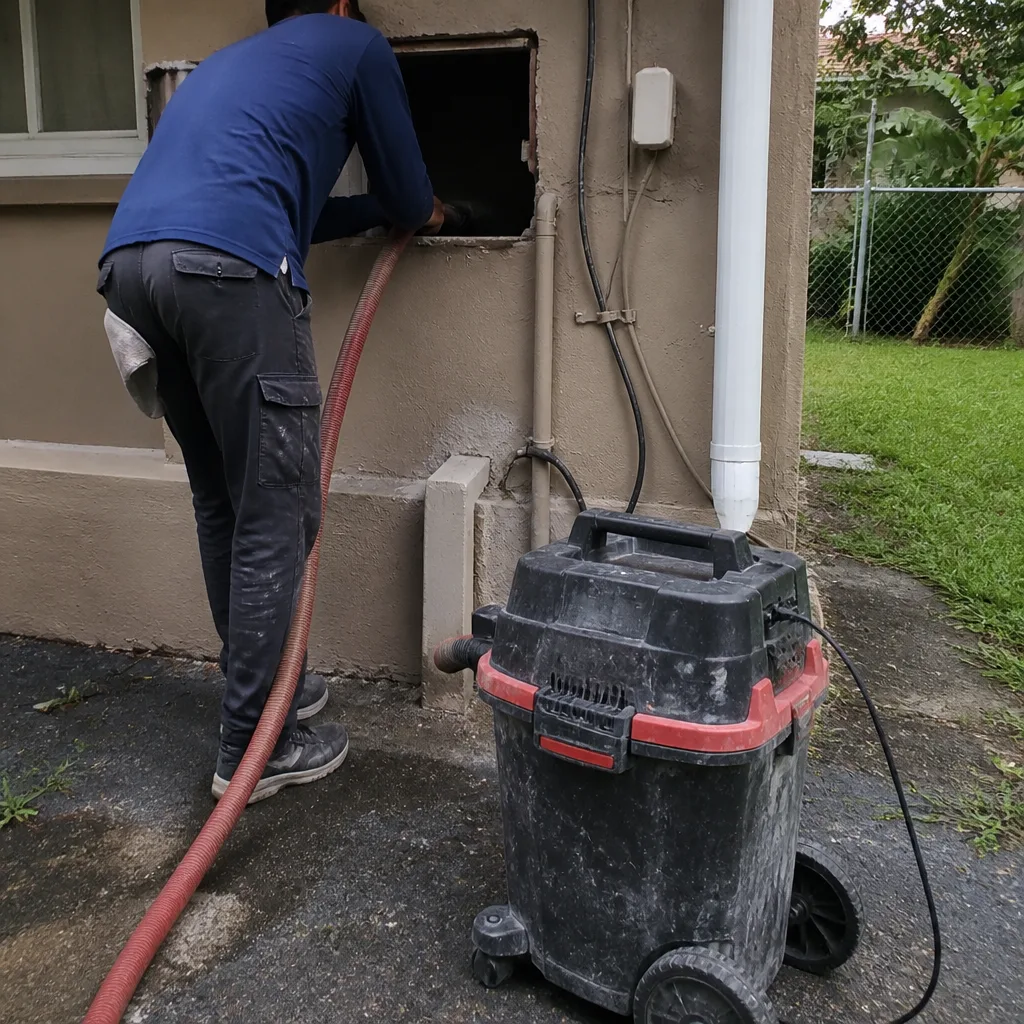 Before
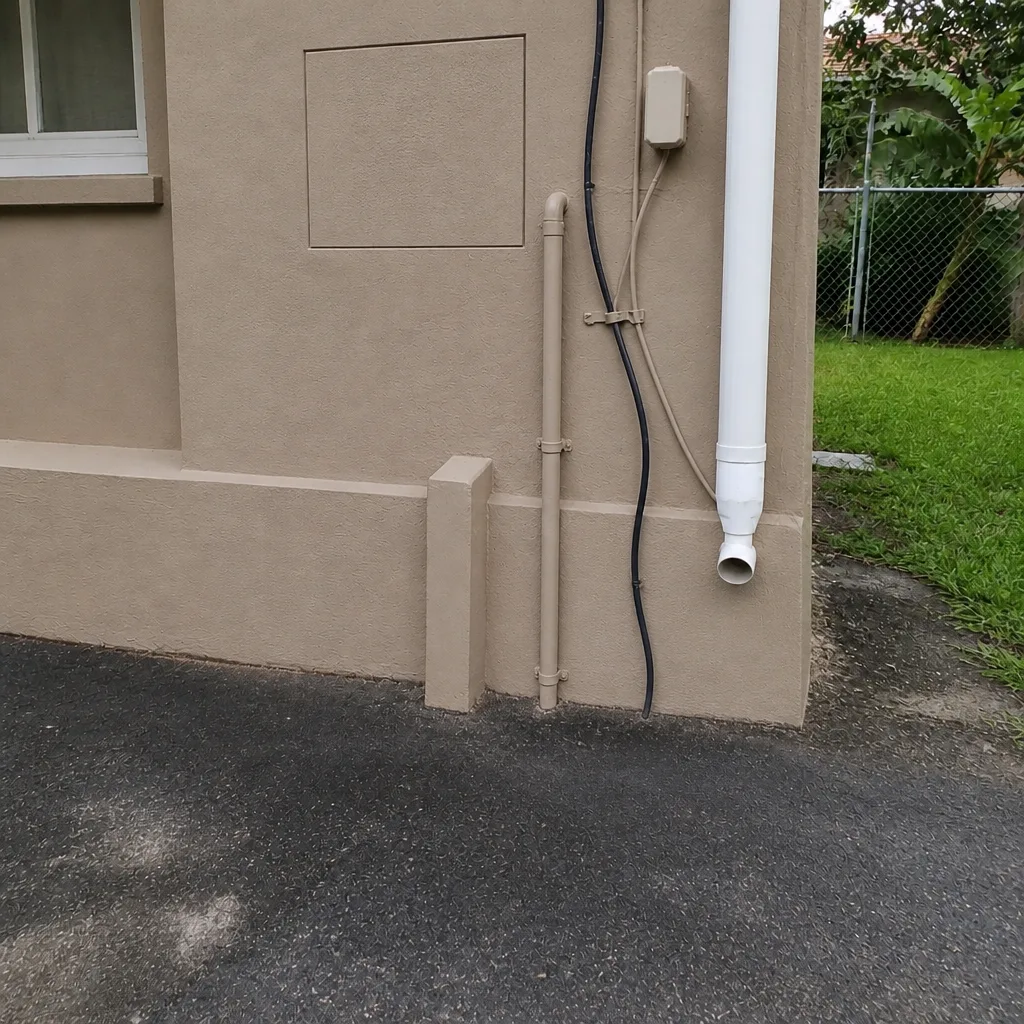 After
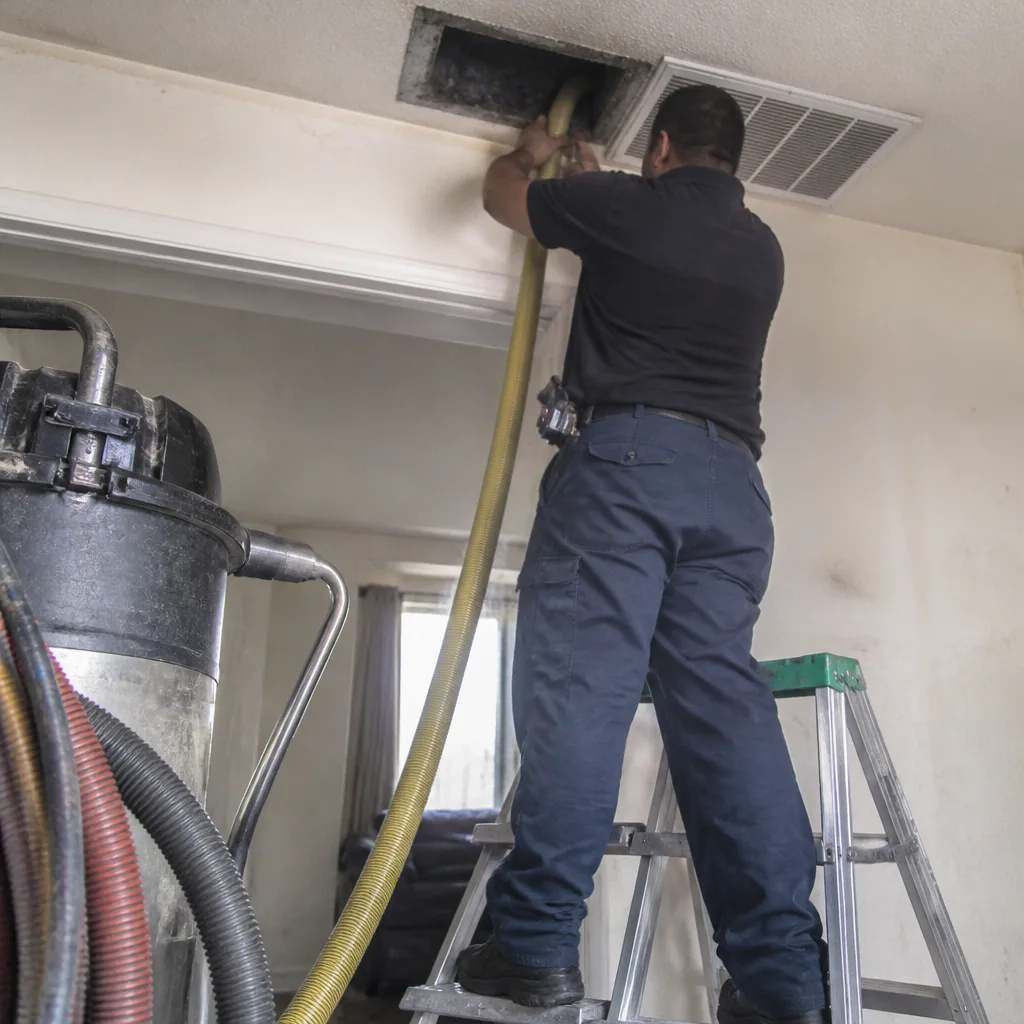 Before
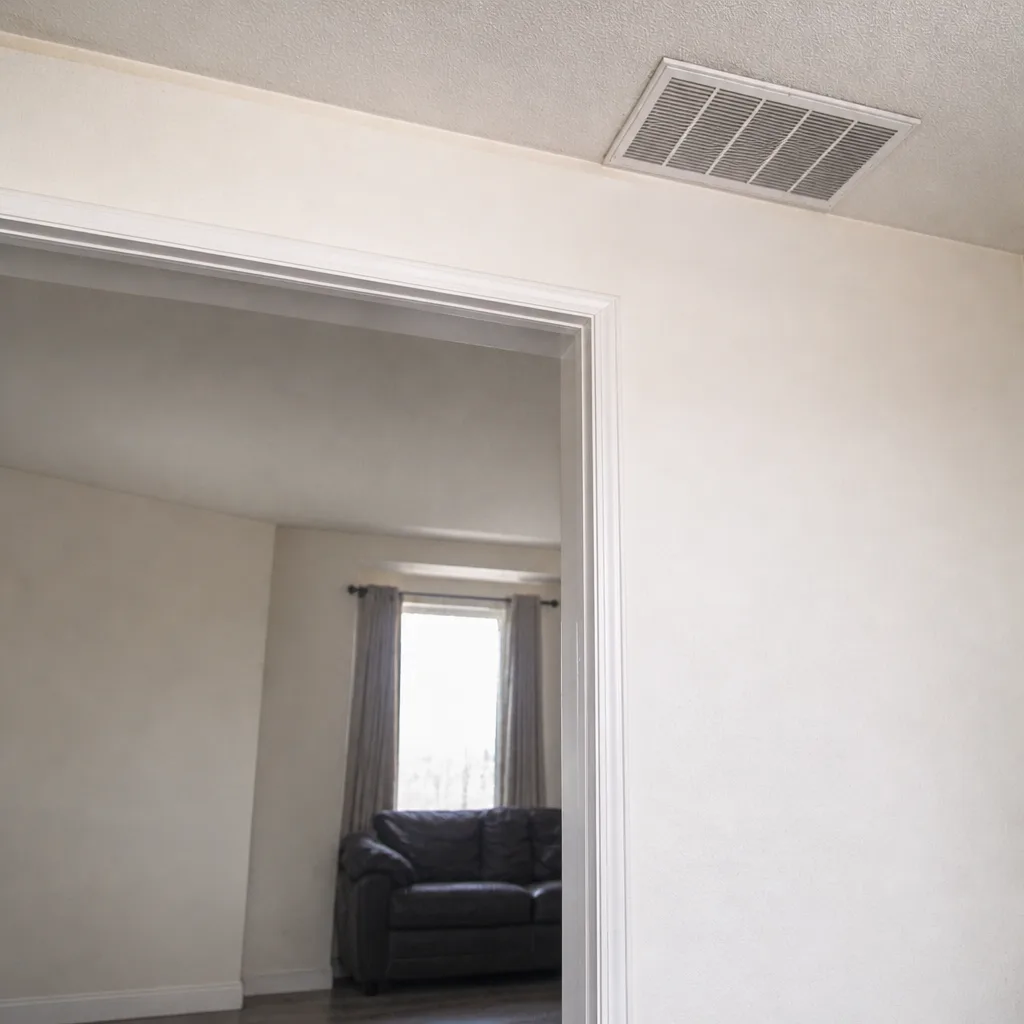 After
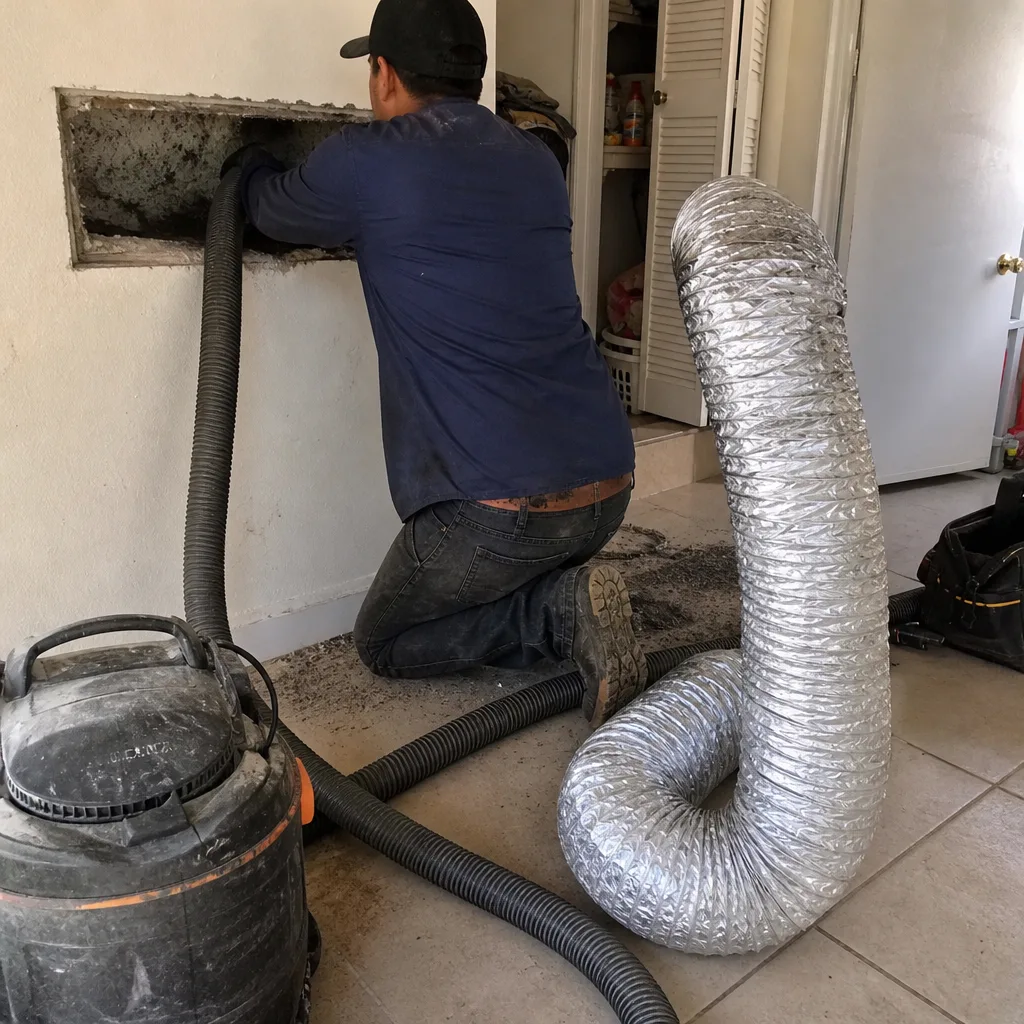 Before
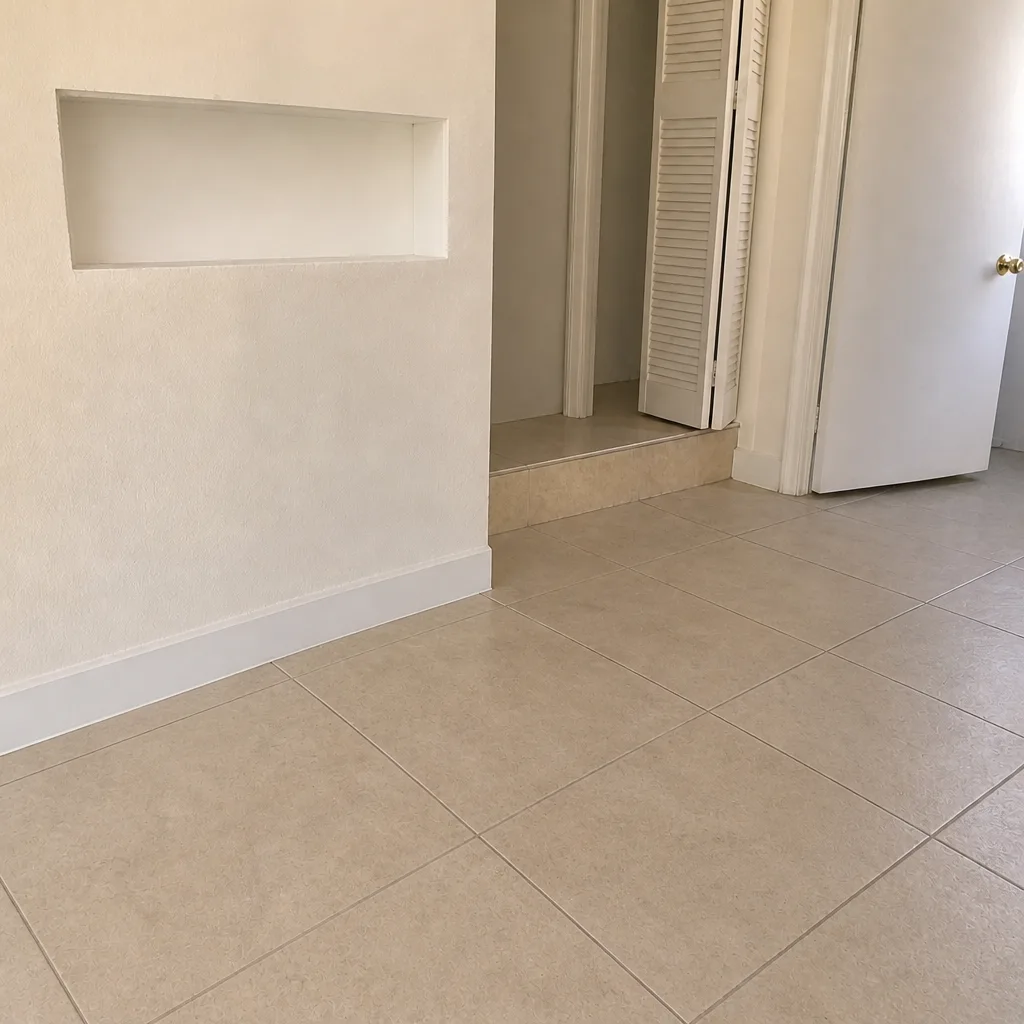 After